Choosing reliable Aluminum Window suppliers requires more than comparing catalog prices. Global buyers must examine extrusion quality, thermal-break design, glazing options, surface finishes, hardware, testing records, and after-sales support. A supplier may offer attractive samples, yet production consistency can reveal a different story. Inspecting factory processes, certification documents, and quality-control reports remains essential.
Dr. Helen Sanders, a respected fenestration and building-science specialist, states, “A high-performance window is a system, not a single product.” This principle matters when comparing international manufacturers. A strong Aluminum Window supplier should explain U-values, air leakage, water resistance, wind-load performance, and applicable regional standards. Details matter. Ask how profiles are alloyed, how corners are joined, and how finished units are protected during long ocean shipments.
Climate also changes the buying decision. Coastal projects may need stronger corrosion protection. Cold regions often require advanced thermal breaks and low-emissivity glass. Tropical buildings may prioritize solar control, ventilation, and drainage design. Experienced suppliers usually provide drawings, test data, sample corners, and installation guidance before production begins.
Still, no shortlist is perfect. A polished website does not guarantee dependable delivery. Even respected factories can face material delays or communication gaps. Buyers should therefore compare measurable evidence, not promises. This guide reviews leading Aluminum Window suppliers for global buyers, focusing on manufacturing experience, technical capability, customization, compliance, delivery reliability, and practical value. The best partner is not always the cheapest. It is the supplier whose system performs consistently after installation.
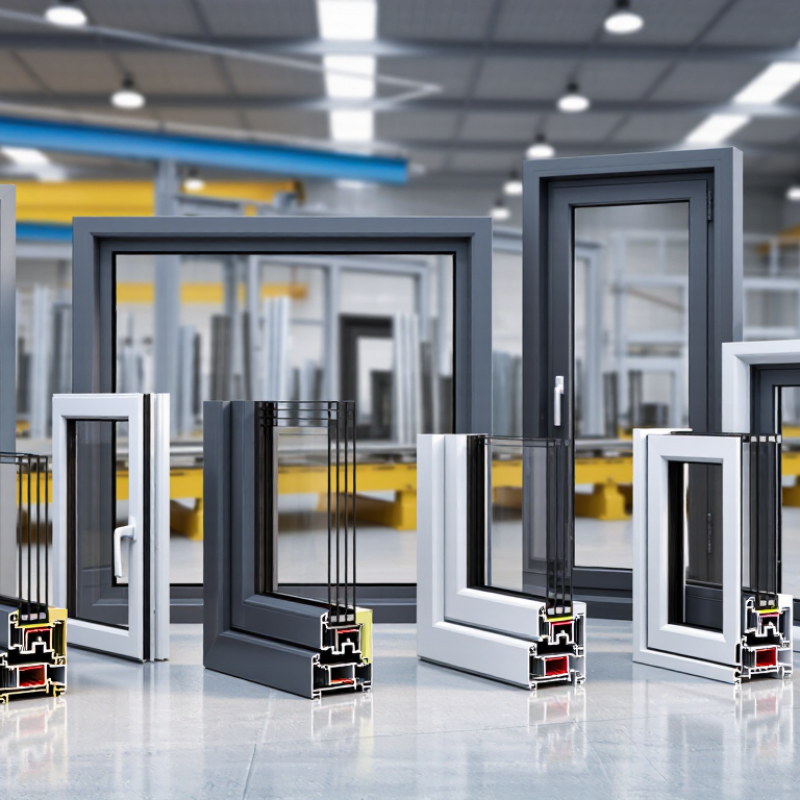
Global Supplier Types: Aluminum’s 2.70 g/cm³ Density and Key Applications
Aluminum window suppliers usually fall into three groups: extrusion mills, window fabricators, and international distributors. Each group serves a different buying need. Extrusion mills produce profiles from aluminum billets. Fabricators cut, weld, coat, and assemble complete window systems. Distributors often combine products from several factories for smaller orders. Global buyers should match the supplier type with project volume, design complexity, and delivery requirements.
2.70 g/cm³
Aluminum has a density of 2.70 g/cm³, making it lighter than steel while offering useful structural strength.
This balance supports tall windows, sliding doors, curtain walls, and ventilated facades. A lightweight frame can reduce handling effort on busy construction sites. It can also lower transport weight, although packaging still affects freight costs. Thermal-break profiles use insulating sections between interior and exterior aluminum. Without this detail, condensation and heat transfer may become serious concerns.
Site conditions matter. Coastal projects need suitable surface protection, while high-rise buildings require verified wind-load performance. Ask suppliers for alloy specifications, profile drawings, coating records, test reports, and sample assemblies. Check whether the stated performance covers the complete window, not only the aluminum profile. A supplier may provide attractive samples but weak hardware or inconsistent seals. That risk deserves attention. I would also recheck tolerances after mass production begins, because early samples rarely reveal every production variation. Density is simple to compare; long-term performance is not.
FAQS
Extrusion mills produce profiles from aluminum billets. Fabricators cut, weld, coat, and assemble complete windows. Distributors combine products from several factories. Choose by order volume, design complexity, and delivery needs. Small projects may suit distributors.
Aluminum has a density of 2.70 g/cm³. It is lighter than steel while retaining useful structural strength. This supports tall windows, sliding doors, curtain walls, and ventilated facades. Lighter frames can ease handling on crowded sites. Freight savings are possible, but packaging still adds weight.
Thermal-break systems use polyamide bars between interior and exterior aluminum sections. This reduces heat transfer through the frame. Ask for bar width, reinforced corners, and complete-window test data. Installation also matters greatly. A good profile can underperform when seals are misaligned.
Lower U-values usually indicate better insulation. Confirm whether the figure covers the frame, glass, or complete window. Use the same testing standard for every quotation. Also review air leakage, solar gain, drainage, and gasket durability. Numbers alone can mislead.
Request alloy specifications, profile drawings, coating records, test reports, and sample assemblies. Confirm that test results cover the complete window. Check wind-load performance for high-rise projects. Coastal sites may need stronger surface protection. Recheck tolerances after mass production begins.
Minimum order quantities may range from several dozen units to multiple containers. Confirm whether the MOQ applies per design, color, or shipment. Lead times often run four to twelve weeks after drawing approval. Custom tooling and insulated glass may extend delivery. Allow extra time for port congestion.
Delivery terms define costs and responsibilities. Under EXW, the buyer usually manages loading and export arrangements. FOB generally includes delivery to the named port. DDP may include wider delivery responsibilities. Confirm insurance, customs clearance, and destination charges in writing.
Recycling aluminum can save up to 95% of primary production energy. The actual saving depends on scrap quality, collection, and processing. Do not treat 95% as automatic. Ask for recycled-content information and supporting records. I would still verify the calculation method.
Request a sample corner before mass production. Measure frame thickness and drainage paths yourself. Review packing photos and milestone dates. Compare MOQ, lead time, delivery terms, warranty, and recycled content in one spreadsheet. Some low quotations become expensive after handling fees. I might miss a fee without that comparison.
Conclusion
This guide to leading global suppliers explains why Aluminum Window systems remain popular in residential, commercial, and industrial projects. With aluminum’s low density of 2.70 g/cm³, these systems offer a practical balance of strength, durability, and manageable transportation weight. Buyers can compare suppliers through measurable performance indicators, including U-values, air leakage, and EN 12207 classifications, helping them select products suited to different energy and weather conditions.
The article also examines thermal-break designs using polyamide bars, showing how improved insulation supports better climate performance. Quality verification should include ISO 9001 processes, CE or UKCA documentation where applicable, ASTM requirements, and EN 14351-1 testing. For international purchasing, buyers should evaluate MOQ, production lead times, Incoterms, packaging, and after-sales coordination. Aluminum’s recyclability is another important advantage, with recycling requiring up to 95% less energy than primary production, supporting more efficient and sustainable supply decisions.
