Engineered Anti-Intrusion Fenestration Systems
Explore our certified structural aluminum casement, sliding, and drift window systems designed for heavy residential estate envelopes, coastal villa projects, and high-security architectural requirements.
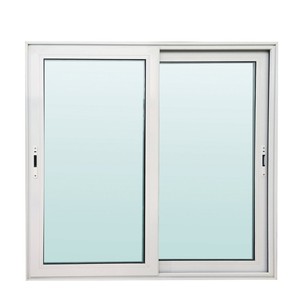 SS Mesh Integrated
Modern Colonial Black Double Glazed Aluminum Sliding Windows Stainless Steel Screen
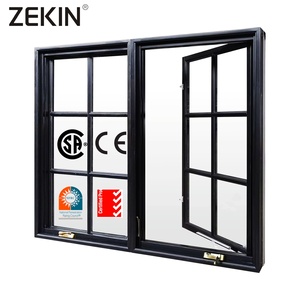 RC2 / RC3 Rated
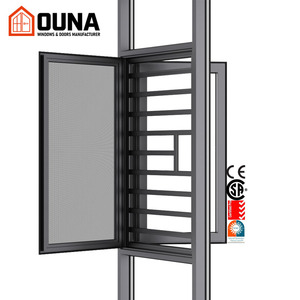 NFRC / CSA Cert
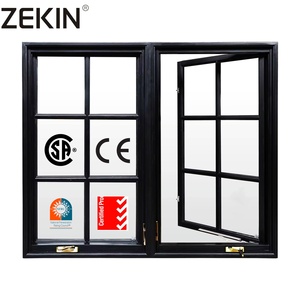 High Impact Resistance
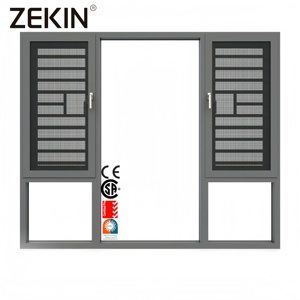
ZEKIN Modern Design Security Enhanced Casement Aluminum Windows Swing Open Burglar Proof
 CE Certified
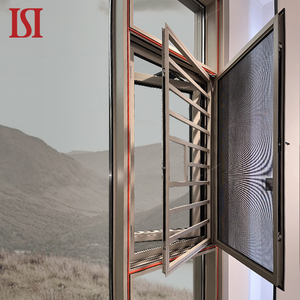
ZEKIN Modern Aluminum Alloy Casement Windows Multi Locking Burglar-Proof Louver Magnetic
 Integrated Blind Shade
 Energy Star Qualified
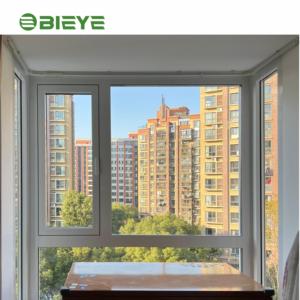
Modern Thermal Break Soundproof Burglar-Proof Windows Doors Aluminum Frame House
 Acoustic & Anti-Drift
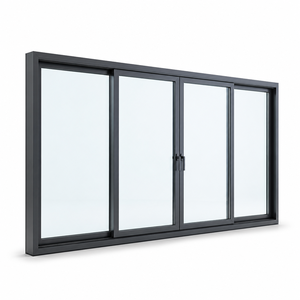
Customized Thermal Break Aluminum Sliding Drift Window Laminated Glass Anti-Theft
Global Sourcing Realities: Next-Gen Burglar Window Trends
Institutional property developers, general contractors, and facade consultants face evolving architectural standards where physical barrier deterrence must merge transparently with energy conservation and smart building management.
Shift from Visible Grilles to Structural Integrity
Historic architectural security relied heavily on exterior welded steel bars, compromising aesthetic appeal, daylight transmission, and emergency fire egress. The contemporary international standard favors internal profile reinforcing, high-tensile 304/316 marine-grade stainless steel security mesh screens (0.8mm–1.0mm wire diameter), and structural PVB/SGP laminated glazing units rated under EN 1627-1630 (RC2/RC3). Modern residential developments mandate uncompromised visual clarity without sacrificing perimeter defense.
Thermal Decoupling & Mandatory CE Harmonization
Security fenestration cannot create thermal short-circuits. Global energy directives mandate that burglar-resistant windows achieve low U-values (Uw ≤ 1.4 W/m²·K). DERCHI utilizes multi-chambered polyamide 66 (PA66 GF25) thermal insulation strips within 6063-T5/T6 structural aluminum profiles. This prevents internal condensation in cold zones, curbs radiant heat ingress across tropical climates, and guarantees structural modulus under extreme wind loads, meeting strict European CE and North American NFRC performance benchmarks.
IoT Automation & Concealed Multi-Point Locking
The standard procurement schedule now requires seamless Building Management System (BMS) integration. Modern security windows must house internal wiring channels, concealed magnetic contact reed sensors, and motorized lock drives without breaching envelope air tightness. Hardware engineering has evolved from standard surface latches to four-side concealed mushroom-head cam gearboxes, heavy-load friction stays holding up to 130kg sash weights, and anti-drill manganese plates shielding critical lock cases.
Structural Anatomy of an Anti-Burglary Window System
For commercial facade consultants and high-end residential builders, selecting an anti-theft window is a critical calculation of mechanical resistance time, forced entry leverage vectors, and glass edge retention depths.
- Primary Extrusion Wall Thickness: Engineered with high-strength 6063-T6 aluminum alloys reaching 1.8mm to 2.2mm nominal wall thickness, exceeding generic commercial profiles to resist hydraulic crowbar deformation.
- Internal Glazing Pocket Depth: Glass bites of ≥ 18mm reinforced with continuous structural silicone glazing (SSG) seals prevent dynamic push-in or pry-out assaults.
- Triple EPDM Co-Extruded Gaskets: Continuous vulcanized corner gaskets establish air impermeability (EN 12207 Class 4) and watertightness under cyclonic driving rain (EN 12208 Class 9A).
| Performance Metric | Generic Aluminum Window | DERCHI High-Security CE System |
|---|---|---|
| Profile Wall Thickness | 1.2 mm – 1.4 mm | 1.8 mm – 2.2 mm (Structural 6063-T6) |
| Forced Entry Resistance | Unrated (Pried in < 30 sec) | EN 1627 RC2 / RC3 (≥ 5 min tool delay) |
| Locking Perimeter | 1 - 2 Single Cam Latches | 4 - 8 Point Mushroom Head Cam Drive |
| Glazing Specification | Single or 5+9A+5 Float Glass | Double Tempered / SGP Laminated (5+1.52+5) |
| Acoustic Attenuation | 25 dB – 28 dB | 38 dB – 45 dB (Rw + Ctr) |
| Wind Load Rating | Standard Residential | AS 2047 N6 (Cyclonic Wind Standard) |
Guangdong Dejiyoupin Doors & Windows Enterprise Strengths
Recognized among China's Top 10 door and window brands, DERCHI operates an integrated manufacturing ecosystem engineered for fastidious architectural markets across Asia, Oceania, and the Middle East.
180,000㎡ Production Matrix
Our centralized industrial park in Foshan, Guangdong houses automated CNC 4-axis profile milling centers, digital corner crimping lines, and cleanroom insulated glass unit (IGU) assembly setups. Operating over 600 specialized fabricators, we output uniform, zero-tolerance fenestration lots.
Rigorous Global Certifications
Products are subjected to destructive static load tests, cyclic wind pressure tests, and mechanical forced entry protocols. We hold valid CE marking, ISO 9001 quality compliance, Australian AS 2047 N6 certification, and UL fire-rated verifications to clear project approvals effortlessly.
Pre-Production BIM & CAD Engineering
Eliminate on-site installation snags. Our dedicated technical department creates comprehensive shop drawings, structural anchor calculations, and drainage section schemes tailored exactly to your building's structural rough opening schedules before metal cutting begins.
GMT+8 Direct Project Responsiveness
Headquartered in Foshan, our multilingual sales engineering division operates in the same business time zone as ASEAN markets, providing rapid 24-hour turnaround on commercial quotes, direct access to port logistical channels (Shenzhen/Guangzhou), and complete export crating.
Frequently Asked Questions by Project Specifiers
Direct technical answers addressing structural classification, hardware duty cycles, logistics packaging, and coastal performance verification.
Q. What specific testing criteria define CE Certified burglar resistance for aluminium windows?
Under European EN 1627 through EN 1630 norms, window resistance is graded into Resistance Classes (RC). To meet RC2/RC3 benchmarks, the entire window assembly—including the profile matrix, glazing bite, and locking hardware—must resist specified manual static loads, 300kg dynamic impact bag swings, and systematic physical attack by professional burglars utilizing heavy screwdrivers, crowbars, hacksaws, and mechanical pry wedges for up to 5 minutes of continuous contact.
Q. How does DERCHI ensure corrosion resistance and hardware durability in coastal, high-humidity regions?
For seaside villas and tropical developments across Southeast Asia and the Gulf, we utilize Qualicoat-certified fluorocarbon (PVDF) electrostatic coatings or Class 15/20 architectural anodizing. All exterior fasteners and internal multi-point transmission gears are machined from austenitic AISI 304 or 316 stainless steel, passing 1000-hour neutral salt spray (NSS) chamber testing without zinc plating breakdown or pitting corrosion.
Q. What glass composition is recommended to prevent burglar breakthrough while maintaining solar control?
We advise integrating a hybrid double or triple-glazed IGU configuration where the outboard panel is 6mm Low-E tempered, and the inboard panel utilizes a structural laminated composite (e.g., 5mm Tempered + 1.52mm SentryGlas/PVB + 5mm Tempered). Even if brute-force shocks fracture the tempered outer ply, the high-tack interlayer prevents glass pocket penetration and keeps the structural barrier intact.
Q. Can DERCHI supply integrated stainless steel security mesh screens without impacting window operation?
Yes. Our integrated screen systems utilize 0.8mm high-tensile 304 stainless steel black wire cloth embedded inside a heavy secondary sub-frame. Operated by independent multi-point lock lines or magnetic linkages, this allows property owners to leave glass sashes swung fully open for natural ventilation while maintaining complete physical intruder deterrence and insect resistance.
Q. How does your manufacturing facility pack custom window schedules to eliminate international transit damage?
Custom fenestration schedules require protective crating engineered for maritime handling. DERCHI uses a four-tier packaging workflow: protective surface films on all painted profiles, foam-padded corner caps, high-density polyethylene wrapping, and fully enclosed, fumigated solid plywood crates reinforced with interior steel strapping and shock-absorption polystyrene buffers.
Q. What lead times are required for custom architectural orders, and do you supply site-ready shop drawings?
Upon submission of the architectural window schedule and rough opening dimensions, our technical engineering office produces detailed CAD shop drawings within 48 to 72 hours for client sign-off. Standard custom production cycles range from 25 to 35 days depending on profile finish choices (custom RAL, PVDF, or wood-grain transfers) and glass specification complexities.
Architectural Specification & Direct Factory Inquiries
Consult with DERCHI's fenestration engineering group. Request comprehensive structural shop drawings, CE & AS 2047 test certificates, or customized bill-of-quantities cost proposals for your current project.
Contact Us