Verified Engineering & Export Standard

CE Certified Aluminium Small Windows Exporter & Exporters

Architectural-grade micro-ventilation, thermal-break slim casements, and engineered fenestration systems manufactured for residential, villa, and commercial developments across global climates.

180,000㎡
Intelligent Production Hub
600+
Engineers & Technicians
AS 2047 / CE
EN 14351-1 Compliant
100+
Global Patents & Testing Reports
Architectural Portfolio

Engineered Fenestration & Entrance Systems

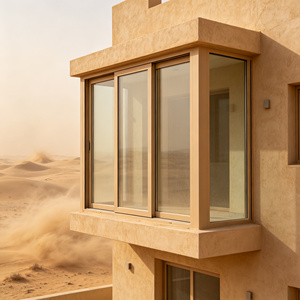
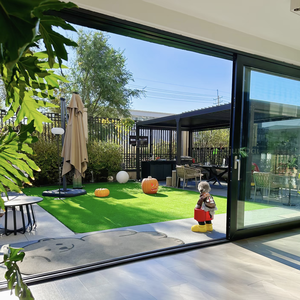
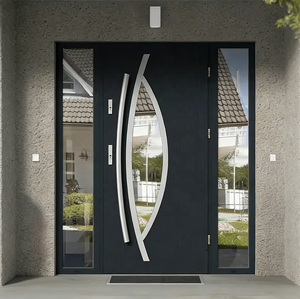
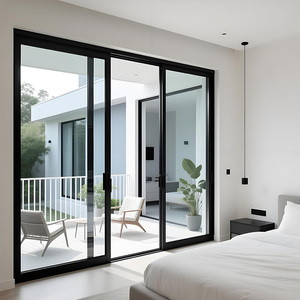
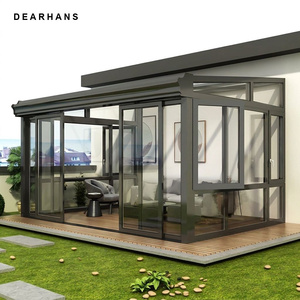
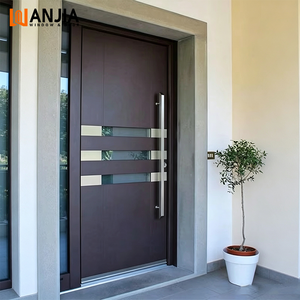
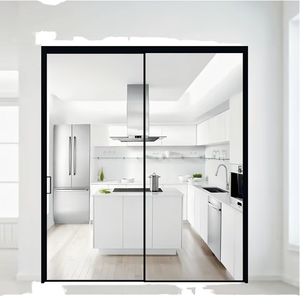
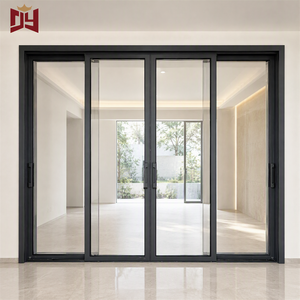
Precision-milled small windows, heavy-duty insulated sliding bays, and integrated security doors compliant with EN 14351-1 CE benchmarks and ISO 9001 quality matrices.

Market Intelligence & Strategic Sourcing

Future Procurement Trends in Architectural Small Windows & Glazing

In-depth structural insights based on global green building standards (LEED, BREEAM), evolving regional building regulations, and smart fenestration developments.

1. U-Value Mandates & Polyamide Thermal Barriers

Procurement criteria for small windows have evolved beyond basic structural support. Developers and curtain-wall contractors now specify maximum Uw values below 1.4 W/(m²·K). Compliance with the EN ISO 10077-2 thermal modeling directive necessitates multi-cavity PA66 GF25 thermal breaks that eliminate localized thermal bridging in compact apertures such as clerestories, bathroom vents, and staircase returns.

  • Warm-edge composite spacers eliminate condensation
  • Multi-chamber extrusions optimize thermal isolation

2. Standardized Micro-Ventilation & Passive Air Quality

Modern ventilation strategies increasingly utilize small, automated aluminum window modules rather than high-load HVAC systems. Integrated parallel-opening hardware and acoustic baffle vents allow 100–150 mm perimeter offsets. This engineering achieves continuous background air exchange without compromising building water-tightness (EN 12208 Class 9A) or acoustic dampening ratings (Rw ≥ 42dB).

  • Concealed motorized chain actuators with BMS integration
  • Engineered labyrinth water drainage channels

3. Extreme Climate & Wind Pressure Resiliency

Global procurement teams in coastal and arid regions now mandate AS 2047 N6 and ASTM E330 cycle testing. Whether facing coastal typhoons in Southeast Asia or sand penetration in the Middle East, small window systems require high-tensile 6063-T6 aluminum alloys combined with co-extruded continuous vulcanized EPDM gaskets to maintain air permeability within EN 12207 Class 4 standards.

  • Structural corner crimping with two-component adhesive
  • Fluorocarbon (PVDF) anti-saline exterior finishes
Manufacturing Prowess • Foshan, Guangdong

Guangdong Dejiyoupin Doors and Windows Co., Ltd. (DERCHI)

Ranked among the Top 10 premium door and window manufacturers in China, DERCHI operates an integrated 180,000㎡ industrial complex. With over 25 years of specialized fenestration fabrication, we unify structural CAD drawing, CNC profile processing, dual-component corner crimping, and automated insulating glass unit assembly under rigorous European CE and Australian AS 2047 frameworks.

CE EN 14351-1 Certified
AS 2047 N6 Cyclone Benchmark
UL Fire-Rated Hardware Testing
Export Direct Pearl River Delta Port
Get Catalog
DERCHI 180,000 square meter industrial facility in Foshan
DERCHI Industrial Campus • Complete precision assembly, profile extrusion & QA testing center.
Engineering Specification Matrix

CE Verified Performance Parameters for Small Windows & Entry Systems

Comparative performance ratings demonstrating information gain across structural load capacity, weather resistance, and thermal efficiency.

Performance Standard CE (EN 14351-1) Testing Target DERCHI Engineering Value Field Benchmark Application
Air Permeability Class 3 (EN 12207) Class 4 (≥ 600 Pa) Monsoon & high-altitude wind infiltration control
Watertightness Class 7A (EN 12208) Class 9A / E900 (≥ 900 Pa) Zero water penetration during driving tropical rainstorms
Wind Load Resistance Class C3 (EN 12210) Class C5 (± 3000 Pa) / AS 2047 N6 High-rise facades, hurricane & typhoon coastal belts
Thermal Transmittance (Uw) ≤ 2.0 W/(m²·K) 1.1 - 1.4 W/(m²·K) Passive building design, green building envelope efficiency
Acoustic Insulation (Rw) Rw ≥ 32 dB Rw ≥ 42 dB (Laminated Argon IGU) Urban arterial roads, airport noise corridors, luxury villas
R&D Roadmap

Product Development Trends: The Evolution of Small Windows

How structural profiles, composite metallurgical treatments, and smart manufacturing transform compact window units into critical architectural envelopes.

Minimalist Sightlines & Concealed Sash Engineering

Architects demand maximum glass surface area without compromising opening functionality. Modern small windows utilize concealed perimeter sash profiles where the movable frame aligns flush with the outer structural frame. This design increases the natural daylight ratio by 18% over conventional windows while maintaining CE structural deflection criteria under EN 12211 testing.

  • Flush-mount frame integration with wall finishes
  • Concealed friction hinges tested for 50,000 cycles

IoT-Enabled Actuation & Automated Micro-Climate Control

Small windows play a key role in automated nighttime purge ventilation and emergency smoke exhaust systems. Our factory integrates low-voltage brushless DC motor actuators directly into the thermal cavity. These units interface with building automation systems via KNX, Modbus, or dry contact protocols to optimize indoor CO₂ levels and temperature balances.

  • Rain and wind sensor automatic closure triggers
  • Synchronized multi-point locking perimeter pins

Advanced Surface Treatments & Marine Anti-Corrosion

Exporters serving coastal markets face severe challenges from salt air corrosion and UV degradation. DERCHI small window frames undergo multi-stage pretreatment followed by vertical fluorocarbon (PVDF) powder coating or electrophoresis processes. This guarantees adhesion and color retention in compliance with AAMA 2605 and Qualicoat Class 3 standards for over 25 years.

  • 3000-hour neutral salt spray (NSS) chamber compliance
  • Anti-fade chemical composition resilient to high solar indices
Buyer Knowledge Base

Frequently Asked Questions on CE Certified Small Windows Procurement

Direct technical answers addressing structural certification, custom sizing, project lead times, and global logistics handling.

What makes CE certified aluminium small windows compliant with European building codes?
CE certification for windows is governed by harmonized standard EN 14351-1 (Windows and external pedestrian doorsets). To achieve verified certification, small windows undergo third-party laboratory assessments covering air permeability (EN 12207), water tightness (EN 12208), resistance to wind load (EN 12210), acoustic performance (EN ISO 717-1), and thermal transmittance (EN ISO 10077-2). Every batch exported by DERCHI carries full Factory Production Control (FPC) documentation, Declaration of Performance (DoP), and traceable serial labeling to ensure smooth site approval by municipal building inspectors.
Can small aluminium windows be customized for bespoke opening apertures and non-standard wall depths?
Yes. As an OEM and ODM precision exporter, DERCHI manufactures every window to bespoke millimeter specifications. Our engineering department provides complimentary CAD and BIM shop drawings prior to extrusion cutting. We accommodate atypical rough openings—such as narrow basement clerestories, corner glass returns, transoms, or high-level ventilation vents—with matched sub-frame extrusions, fin designs (such as nail fins for North American timber framing or reveal fins for European brick-cavity walls), and custom architectural depth trims.
How do DERCHI windows prevent air and water infiltration during extreme weather events?
Our window systems utilize a triple-barrier pressure equalization design. A central EPDM vulcanized sealing gasket divides the internal profile chambers into an outer drainage pressure-equalized cavity and an inner airtight chamber. Rainwater entering under wind pressure is directed away from internal spaces and exits through concealed multi-stage drainage slots equipped with anti-backflow wind flappers. In rigorous laboratory testing, this engineering exceeds Australian AS 2047 N6 and European Class 9A requirements (≥ 900 Pa).
What glass configurations are available to meet strict local energy and acoustic mandates?
We fabricate glass packages tailored to project microclimates. Common configurations include 5mm+12A+5mm double-glazed tempered units, argon gas-filled cavities, warm-edge composite spacers, and dual-silver Low-E coatings. For high-noise urban or high-security areas, we supply laminated units utilizing acoustic PVB or SentryGlas (SGP) interlayers. These solutions reach acoustic dampening ratings of Rw 42dB while achieving low solar heat gain coefficients (SHGC ≤ 0.28).
What is the standard production lead time and export crating method?
Standard custom production spans 25 to 35 business days following CAD shop drawing sign-off and color confirmation. To protect cargo over long-distance ocean freight, windows are protected with peelable protective film, foam edge buffers, moisture-sealed shrink wrapping, and packed into ISPM-15 compliant, fully enclosed fumigated plywood crates. Our location in Foshan—adjacent to major South China container ports (Guangzhou, Shenzhen, Hong Kong)—enables reliable sea-freight scheduling to Asia, Europe, the Americas, and Australasia.

Plan Your Next Architectural Fenestration Project

Submit your door and window schedule, rough opening sizes, and project specifications. Our structural engineers will return detailed CAD shop drawings and factory-direct pricing within one business day.

Get Catalog