Featured CE & International Certified Openings
Examine our engineered series of interior, transition, and envelope architectural solutions manufactured in our 180,000㎡ Foshan industrial facility.
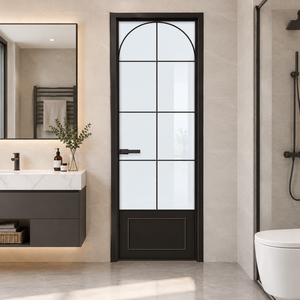
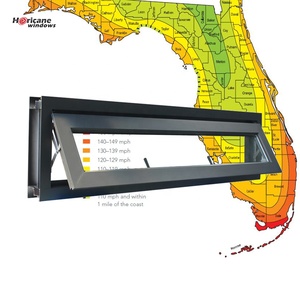
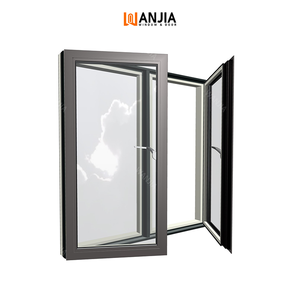
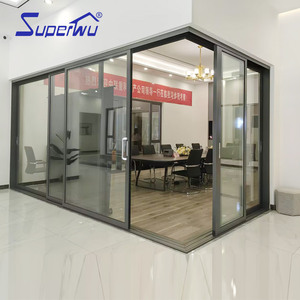
Why CE Certified Aluminum Interior Doors Dictate Modern Architecture
In commercial hospitality, high-end multi-family housing, and luxury private residential development, the specification of interior door systems has transitioned from traditional timber millwork to precision-engineered architectural aluminum profiles. Specifying a genuine CE certified aluminum interior doors factory is not simply a regulatory formality under European Construction Products Regulation (CPR 305/2011) and the harmonized standard EN 14351-1; it is a fundamental safeguard of long-term dimensional stability, mechanical life cycle reliability, indoor environmental acoustic isolation (ISO 10140-2), and life-safety compliance.
Unlike standard interior wood or MDF doors that are prone to moisture absorption, warping, delamination, and termite degradation in fluctuating tropical or coastal humidity, structural 6063-T5 and 6063-T6 aluminum door profiles feature zero hygroscopic expansion. When treated with Qualicoat Class 2 architectural powder coating or 25-micron anodic oxidation, these interior doors provide unrivaled wear resistance in high-traffic corridors, executive boardrooms, luxury hotel en-suites, and modern minimalist living environments.
EN 14351-1 Mechanical Rigidity
Rigorously tested to withstand Class 4 operational forces, torsional torsion, and repeated opening-closing cycles exceeding 200,000 repetitions without hinge sag or latch misalignment.
Acoustic Attenuation (Rw / STC)
Engineered internal acoustic chambers, magnetic perimeter compression gaskets, and drop-down bottom automatic seals deliver verifiable acoustic dampening from 32 dB up to 45 dB.
Concealed Minimalist Hardware
Seamless 3D adjustable concealed hinges, architectural magnetic mortise latches, and ultra-narrow sightline frames designed for seamless flush-to-drywall wall integration.
Technological Breakthroughs in Aluminum Interior Door Manufacturing
The architectural landscape is shifting away from bulky surface-mounted architraves toward concealed sub-frame engineering. Leading factories in Foshan, such as DERCHI (Guangdong Dejiyoupin Doors and Windows Co., Ltd.), are pioneering three critical technological advancements that define the next generation of CE-marked aluminum interior doors:
1. Invisible "Zero-Sightline" Reverse Sub-Frames
Modern interior schemes demand a flush, continuous finish between wall paneling, sheetrock, and door leaves. Our extruded aluminum jamb profiles are engineered with integrated plaster-in beads and perimeter expansion joints that absorb dry-construction building movement while concealing the outer frame inside the drywall. Doors can open inward (reverse-flush) or outward without compromising coplanar alignment.
2. Hybrid Composite Infills & Acoustic Decoupling
Aluminum profiles are inherently rigid, but to prevent harmonic vibration and resonance, door leaves feature aluminum honeycomb composite cores sandwiched between 2.0mm aeronautical aluminum sheets, porcelain sintered stone slabs, or tempered laminated acoustics glass. Multi-cavity perimeter profiles with EPDM co-extruded gaskets isolate mechanical sound conduction.

Engineering Specification Matrix: Aluminum vs. Traditional Interior Materials
| Performance Criteria | DERCHI CE Aluminum Interior Doors | Solid Wood / Timber Core | Hollow Core MDF / HDF |
|---|---|---|---|
| Dimensional Stability | 100% immune to moisture swelling, warping & shrinking | Expands/shrinks with humidity; prone to sticking | Easily warps and delaminates near bathrooms |
| Acoustic Rating (ISO 10140-2) | Rw 32 dB – 45 dB (multi-cavity + magnetic seal) | Rw 28 dB – 35 dB (dependent on density) | Rw 18 dB – 24 dB (poor acoustic isolation) |
| Mechanical Durability (EN 1191) | Class 8: >200,000 cycles with zero deflection | Hinges loosen over time; sag under door weight | Core breaks down around screws after 30,000 cycles |
| Fire Safety & Non-Combustibility | Class A1 / A2 non-combustible frame options | Combustible; requires thick chemical treatments | Highly flammable resin-bonded sawdust matrix |
| Maintenance & Finish Longevity | Anodized / Qualicoat powder: 25+ year lifespan | Requires regular re-staining, waxing, varnishing | Edges chip, paint bubbles in humid environments |
Future B2B Procurement Trends: 2025–2030 Sourcing Horizon
Procurement directors, general contractors, and overseas importers are radically restructuring their supply chains. Purchasing doors is no longer a simple transaction of ordering standard sizes from local wholesalers; it has become an integrated, digitalized, and compliance-driven sourcing operation. Here are the macro procurement trends dominating commercial contracts:
1. BIM & Digital Shop Drawing Direct Linkage
Developers eliminate jobsite measuring errors by requiring direct Revit BIM LOD 300/400 models from the door manufacturer. DERCHI's in-house engineering group produces parametric CAD shop drawings for each rough opening before CNC extrusion cutting commences.
2. Low-Carbon Circular Aluminum (ESG)
European and international green building benchmarks (LEED v4, BREEAM) mandate audited Environmental Product Declarations (EPD). Modern factories utilize recycled hydroelectric-smelted aluminum ingots reducing embodied carbon emissions by up to 70%.
3. Consolidated Full-Envelope Sourcing
Instead of splitting orders between window fabricators, exterior entry door manufacturers, and interior door shops, global procurement heads bundle complete systems with DERCHI—optimizing container space, unifying hardware finishes, and mitigating cross-vendor delays.
Why Top Global Contractors Partner with DERCHI
Operating as Guangdong Dejiyoupin Doors and Windows Co., Ltd., DERCHI has maintained a Top 10 industry standing in Foshan, Guangdong—the aluminum capital of the world. With over 25 years of engineering experience and a comprehensive 180,000㎡ modernized industrial park, we combine artisanal German manufacturing discipline with high-throughput intelligent automation.

Turnkey OEM/ODM Contract Advantages:
- ✓ Exhaustive International Certifications: Fully certified under CE (EN 14351-1), ISO 9001, Australian AS 2047 (N6 cyclonic wind load), and UL fire-rated standards.
- ✓ 100% In-House Precision Machining: Automated 5-axis CNC profile cutters, high-precision corner crimping, automated glass sealing, and dust-free anodizing lines.
- ✓ Pre-Hung Modular Installation Kits: Doors arrive fully pre-machined for concealed hinges, lock cylinders, and handles, cutting on-site installation labor costs by 65%.
- ✓ Fast Pearl River Logistics: Direct maritime loading access to Shenzhen, Guangzhou, and Hong Kong ports with reinforced multi-layer export crating.
Frequently Asked Questions by Importers & Architects
Detailed technical clarity regarding compliance, custom tolerances, lead times, and factory audit capabilities.
What specific standards define a legally compliant CE Certified aluminum interior door?
How do aluminum interior doors manage acoustic isolation between bedrooms and offices?
Can DERCHI accommodate bespoke ceiling heights and floor-to-ceiling oversized pivot doors?
What surface finishes are available to withstand harsh coastal or chemical cleaning environments?
What is the standard production cycle and how does DERCHI ensure container shipping safety?
Partner with a Trusted CE Certified Aluminum Door Manufacturer
Accelerate your project schedule with factory-direct pricing, complete CAD engineering support, and audited international compliance. Connect directly with our senior technical engineering team in Foshan today.
Inquire Now