CE Certified Aluminum Kitchen Doors Exporter & Exporters
Global Architectural Glazing Standards, Ultra-Slim Ergonomic Profiles, and Precision Factory Manufacturing from Foshan
The specification criteria for modern residential and commercial interior transitions demand rigorous adherence to mechanical strength, hygiene maintenance, and environmental resistance. As an authoritative CE Certified Aluminum Kitchen Doors Exporter, our Foshan smart manufacturing base engineers advanced, high-performance aluminum glazed architectural systems. From high-grade EN 12150-1 tempered glazing to structural EN 755-9 extruded aluminum alloys, our solutions are engineered for commercial procurement, hotel developments, and upscale architectural residences globally.
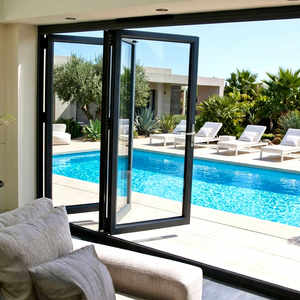
Discover our CE and AS 2047-compliant profile configurations, engineered specifically for contemporary kitchen dividers, balcony interfaces, and daylight optimization.
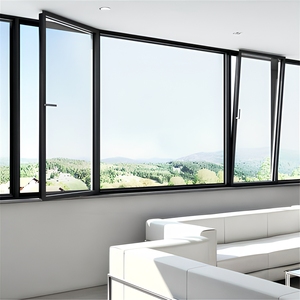
Features integrated polyamide thermal barrier insulation to stop heat transfer between industrial kitchens and air-conditioned living sectors, maintaining optimal energy efficiency.
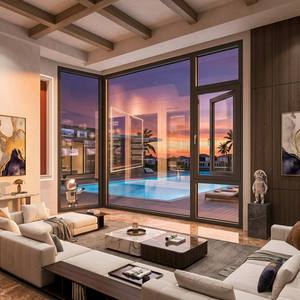
Designed for open-plan luxury galley ventilation and daylight streaming, pairing poly-carbonated laminated safety glass with water-shedding extruded gutter channels.
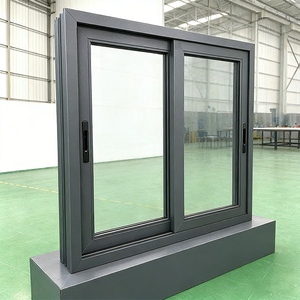
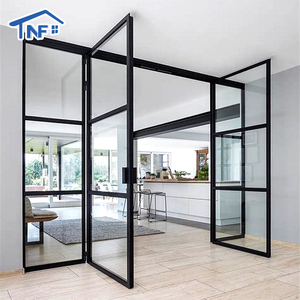
The premier choice for contemporary partition aesthetics, presenting ultra-narrow sightlines, concealed top-hung roller hardware, and oil-fume barrier sealing.
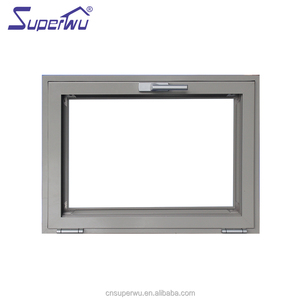
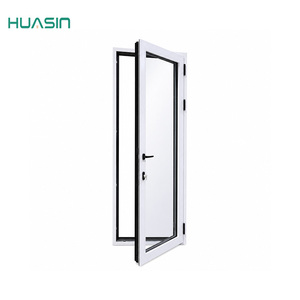
Precision-milled mitre corners and heavy-duty 3D adjustable pivot hinges create an airtight seal against cooking emissions, preventing kitchen clatter from entering living areas.
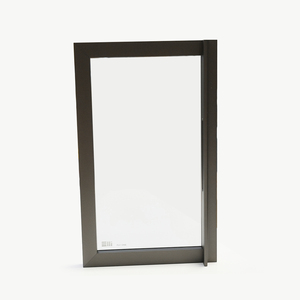
Features hermetically sealed hollow glass housing magnetic blinds that remain 100% dust-free and grease-proof, resolving common residential kitchen privacy and hygiene challenges.
Equipped with marine-grade 304 diamond mesh netting for pest control and natural air inflow, combined with high-grade multi-point locking mechanisms for residential safety.
Guangdong Dejiyoupin Doors and Windows Co., Ltd. (DERCHI) leads the industry with fully audited production lines, delivering complete project predictability from initial shop drawings to seaport delivery.
CE & Global Code Compliance
Our doors carry authentic CE markings conforming to EN 14351-1, alongside Australian AS 2047 N6 and UL structural ratings. This rigorous testing simplifies local permit approval and commercial code sign-offs.
Full CAD & BIM Integration
We eliminate installation issues early. Our in-house technical engineering team prepares custom CAD elevation and cross-sectional shop drawings matched to your opening schedule before production begins.
One-Stop Architectural Envelope
Consolidate your orders. Source aluminum kitchen pocket doors, exterior hurricane-rated sliding systems, entry doors, and commercial shopfronts from one supplier to streamline freight and coordination.
GMT+8 Real-Time Engineering
Our bilingual structural engineers coordinate across European, Middle Eastern, and Asian business hours, minimizing turnaround times on structural revisions, testing reports, and quote packages.
Future Trends in Aluminum Kitchen Door Manufacturing & Glazing
Architectural kitchen design has moved from isolated utility spaces to central lifestyle areas. As a forward-thinking exporter, DERCHI incorporates several emerging technical advances across its product lines:
1. Ghost Track & Concealed Suspension
Traditional floor tracks trap oil, grease, and moisture, complicating cleaning and degrading rollers over time. Modern specifications favor top-hung magnetic levitation tracks and concealed soft-close dampers, eliminating recessed floor tracks to create a clean, barrier-free transition between dining and cooking spaces.
2. Photovoltaic & Smart Electrochromic Glass
Open-concept kitchens often struggle with sudden sunlight exposure or messy prep counters in full view of dinner guests. Switchable PDLC (Polymer Dispersed Liquid Crystal) smart privacy glass shifts from clear to frosted in milliseconds, giving homeowners on-demand screening between cooking zones and social areas.
3. Anti-Microbial & Fluorocarbon Coatings
Hygiene standards require surfaces that resist airborne fats, grease, and daily kitchen sanitizers. Advanced architectural powder coating and fluorocarbon PVDF surface treatments prevent corrosion, resist fingerprints, and inhibit bacterial growth along aluminum frames.
Benchmark testing parameters applied across our export product range.
Performance Vector
Standard Residential Grade
DERCHI CE Export Standard
Primary Engineering Value
Alloy Metallurgy
6063-T5 Recycled Blend (1.0 - 1.2mm)
Primary 6063-T6 Structural Profile (1.6 - 3.0mm)
Maintains frame squareness; prevents sagging on ceiling-height spans up to 3.8m.
Glazing Compliance
Single Monolithic Annealed Float
Double Tempered Low-E / Laminated (EN 12150-1)
Resists thermal shock near cooktops; provides acoustic dampening up to 38dB.
Corrosion Resistance
Basic Anodizing (< 10 microns)
Qualicoat Class 2 / PVDF Fluorocarbon (> 25 microns)
Prevents surface blistering and discoloration from grease and salt-laden air.
Track Durability
Plastic Rollers (10,000 Cycles)
Precision Stainless Rollers (100,000+ Cycles)
Quiet, effortless gliding with low maintenance in high-traffic kitchens.
Future Procurement Trends for Commercial Buyers
Global building standards are shifting rapidly. When sourcing aluminum doors from China, tier-one developers and general contractors now prioritize three key strategic factors:
Carbon Footprint Auditing (EPD)
European and North American green building mandates (such as LEED and BREEAM) now require Environmental Product Declarations (EPDs). Sourcing aluminum extruded with hydropower and post-industrial recycling helps developers avoid supply chain carbon penalties.
Flat-Pack Modular Assembly
Rising international ocean freight costs make shipping fully welded, oversized door units less economical. Forward-thinking exporters prioritize precision knock-down (KD) pre-milled systems, allowing contractors to assemble frames on-site with simple corner keys.
Digital Project Delivery
Modern engineering contracts demand full BIM asset tracking, from laser-scanned site measurements to direct CAD/CAM production. This workflow ensures hardware cutouts match specified European smart-lock and multi-point mortise hardware with zero field modifications.
Frequently Asked Technical Questions
Practical guidance for architects, procurement directors, and international general contractors.
How does CE certification impact the import and installation of aluminum kitchen doors?
CE certification confirms compliance with the European Construction Products Regulation (CPR 305/2011) and EN 14351-1. For developers, this means guaranteed wind-load stability, watertightness, structural safety, and verified thermal transmittance ratings (U-values). This formal declaration speeds building inspections and eases customs processing in the UK, European Union, and overseas markets using British or Australian building codes.
What prevents ultra-slim aluminum kitchen doors from warping or binding over time?
Long-term stability depends on aluminum alloy selection and internal structural reinforcement. We use virgin 6063-T6 aluminum with minimum wall thicknesses of 2.0mm to 3.0mm on major load-bearing profiles. When ceiling heights exceed 2.7 meters, our engineers integrate hidden tension adjustment rods inside the frame, allowing technicians to fine-tune frame alignment after the building settles.
Which glass configuration best contains intense cooking aromas, grease, and noise?
For open kitchens in high-end developments, we recommend insulated double glass (5mm + 9A/12A + 5mm) or laminated glass (5mm + 0.76mm PVB + 5mm) combined with EPDM synthetic rubber perimeter compression gaskets. This setup cuts cooking noise by over 32 decibels while preventing cooking odors from drifting into adjacent living areas.
How does DERCHI protect custom-glazed doors from damage during sea shipping?
Every product undergoes a multi-layer export packaging protocol. Frames are wrapped in protective polyethylene surface film and shock-absorbent pearl foam corner guards. The entire door unit is then secured inside fumigated composite timber crates or steel-reinforced A-frames, using internal desiccants to prevent condensation damage during ocean transport.
What is the standard production timeline for custom architectural door schedules?
Following sign-off on CAD shop drawings and architectural hardware schedules, standard production takes roughly 25 to 35 business days. For fast-track hospitality fit-outs or volume project phases, our automated CNC production lines can flex capacity to meet staged site delivery schedules.
Request an Engineered Shop Drawing & Project Quotation
Share your architectural door schedules, frame dimension plans, or target U-value specifications with our bilingual engineering team for a detailed proposal within 24 hours.