Engineered Aluminium & Architectural Systems
High-performance fenestration products manufactured to international standards (AS 2047, CE, ISO 9001, NFRC) with structural stability and durable wood-grain surface technology.
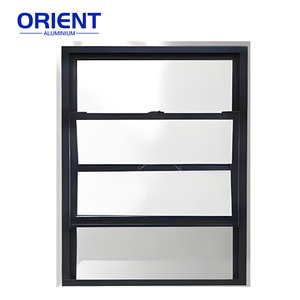
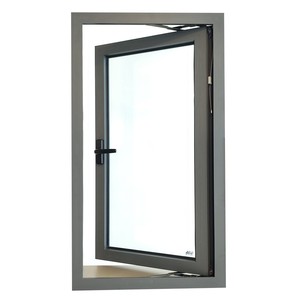
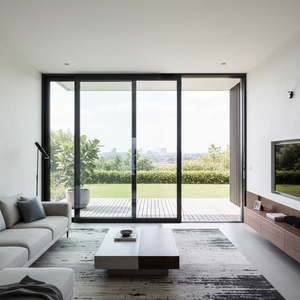
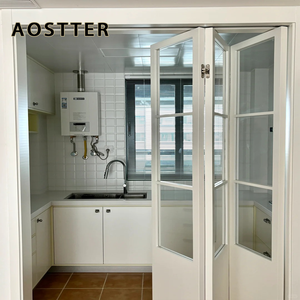
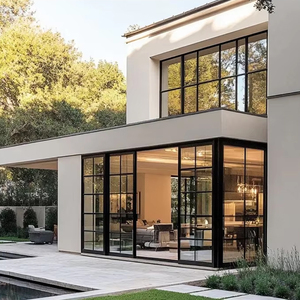
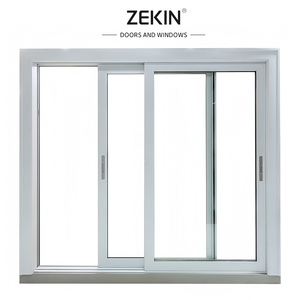
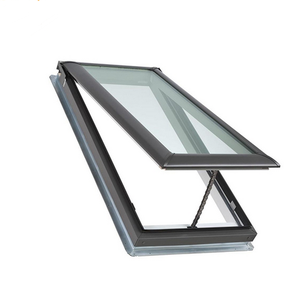
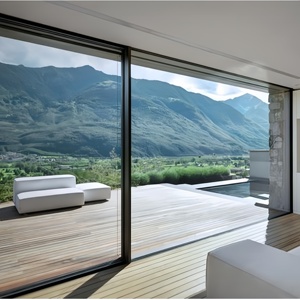
Engineering Excellence in Wood Finish Fenestration Systems
Architects, commercial builders, and luxury homeowners face a historical dilemma: balancing the natural warmth, rich grain, and luxury aesthetic of hardwood against the structural resilience, weather resistance, and thermal performance demanded by modern environmental codes. Traditional solid wood frames warp, swell, rot, and succumb to insect infestation under humid or coastal atmospheres. Conversely, untreated metallic fenestration often feels stark and out of harmony with classical or biophilic residential designs.
To overcome these challenges, leading China Aluminium Wood Finish Windows Factories integrate advanced metallurgic extrusion techniques with thermal-transfer sublimation and fluorocarbon wood grain coatings. The result is an architectural envelope that delivers the visual and tactile authenticity of walnut, teak, oak, or mahogany, coupled with the non-combustible, rot-proof, and structural advantages of 6063-T5/T6 architectural aluminum alloy.
Material Processing: Why Industrial Sublimation Outperforms Standard Film
A crucial factor distinguishing top-tier manufacturers like DERCHI (Guangdong Dejiyoupin Doors and Windows Co., Ltd.) from entry-level fabricators is the wood finish bonding technology. Sub-standard production lines rely on superficial PVC or vinyl wraps that peel and bubble under prolonged solar UV radiation. Industrial-grade manufacturers implement a rigorous multi-stage finishing procedure:
| Evaluation Parameter | Industrial Thermal Transfer Sublimation | Standard PVC/Vinyl Foil Wrapping | Solid Natural Timber |
|---|---|---|---|
| Dimensional Stability | Zero deflection across -30°C to +80°C | Substrate stable, film subject to thermal peeling | High expansion/shrinkage based on relative humidity |
| UV Degradation Resistance | Class 2 Qualicoat certified; >10-15 years gloss hold | Fading and micro-cracking within 2-4 years | Requires sanding and re-varnishing every 18-24 months |
| Termite & Fungus Immunity | 100% Inert, synthetic barrier | Surface inert, trapped condensation risks mold | Susceptible to rot, dry-wood termites, and pests |
| Fire Safety Rating | Class A non-combustible metal profile | Toxic emissions upon flame exposure | Combustible substrate (Class B/C depending on treatment) |
Future Trends in Aluminium Wood Grain Fenestration (2025–2030)
The global facade and fenestration industry is undergoing a paradigm shift driven by stringent carbon mitigation mandates, extreme weather patterns, and the integration of automated home systems. Commercial procurement managers and EPC contractors are recalibrating their supply-chain priorities around four core trajectories:
1. Polyamide PA66 Thermal Barriers
Multi-chambered profiles integrated with technoform polyamide (PA66 GF25) thermal breaks dramatically curtail U-values below 1.4 W/m²K, decoupling exterior thermal swings from indoor microclimates.
2. Hyper-Realistic 4D Tactile Textures
Flat photographic prints are being replaced by 4D micro-embossed finishes that mirror natural wood grain striations, knots, and pores, satisfying strict architectural heritage preservation regulations.
3. Acoustic & Extreme Cyclone Performance
Rising urbanization and erratic coastal cyclonic activity demand AS 2047 N6 and hurricane impact performance, combining structural 2.0mm+ extrusions with multi-laminated acoustic IGU glass.
DERCHI: World-Class Fenestration & Door Infrastructure
Operating from a massive 180,000㎡ industrial facility in Shishan Town, Foshan, Guangdong Dejiyoupin Doors and Windows Co., Ltd. (DERCHI) is an internationally acknowledged manufacturer holding over 100 patents and prestigious international certifications.
- Integrated Production Ecosystem: In-house casting, CNC extrusion, automated wood finish sublimation lines, and IGU glass processing.
- International Certification Array: Fully validated under AS 2047 N6 (Australia), CE (Europe), ISO 9001, and UL Fire-Rated testing protocols.
- Oversized & Custom Shop Engineering: Complimentary CAD shop drawings, BIM integration, and precision custom sizing for luxury villas and high-traffic public lobbies.
- Strategic Export Hub: Located next to major South China seaports for reliable sea freight logistics and safe container packing across Asian, Middle Eastern, and North American markets.

Frequently Asked Sourcing Questions (FAQ)
Essential technical clarifications for international developers, architects, and volume importers.
What ensures the wood finish will not peel or fade?
Our wood finish is not a glued-on vinyl film. We employ vacuum heat-transfer sublimation. After applying a base electrostatic powder coat, the wood grain ink penetrates deep into the curing layer under high vacuum and temperature, creating a continuous molecular bond impervious to salt air, moisture, and ultraviolet exposure.
What certifications do you provide for project approvals?
Our windows and door assemblies comply with the Australian AS 2047 standard (reaching N6 cyclone-rated pressure thresholds), European CE benchmarks, and US NFRC thermal performance targets. Complete engineering testing reports are shared alongside production approval documents.
Can you handle custom profiles, oversized glass, and mixed colors?
Yes. Our engineering department specializes in dual-color configurations (e.g., natural wood finish for cozy interiors and anodized fluorocarbon charcoal grey for modern exterior facades). We design and extrude custom dies for high-volume structural projects.
How do you safeguard cargo during ocean transit?
All items are pre-assembled and tested in our factory. Before dispatch, panels receive scratch-resistant protective film, are cushioned with high-density EPE foam, corner-guarded with rigid polymer protectors, and crated in fully sealed non-fumigation plywood cases tailored for containerized sea shipment.
Request Technical Proposals & Free CAD Drawings
Connect with our structural fenestration specialists. Forward your opening dimensions, door/window schedules, or structural CAD files for an immediate engineering assessment.