Featured Aluminum Glazed Architectural Systems
Tested and certified according to NFRC, AS2047, CE, and ISO protocols. Engineered for luxury estates, high-rise residential complexes, coastal resorts, and severe weather regions.
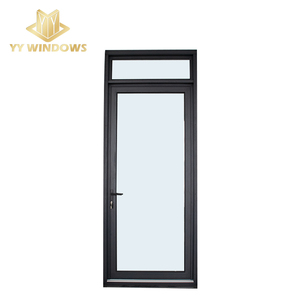
ISO Certificated Factory With NFRC House Apartment Project Hurricane Impact Protection Glass French Doors Patio Casement Door
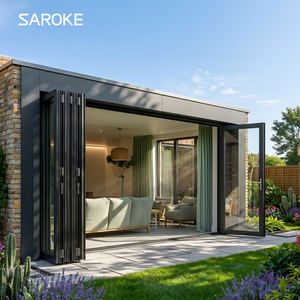
Balcony Outward Security Glass Multi Panel Slider Exterior Aluminum Folding Door
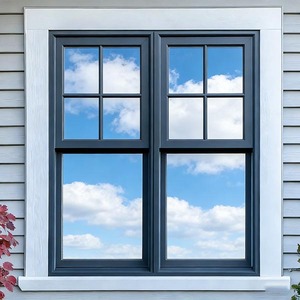
Top Hung Window Security Latch Window Double Low E Fly Screen Double-hung Windows
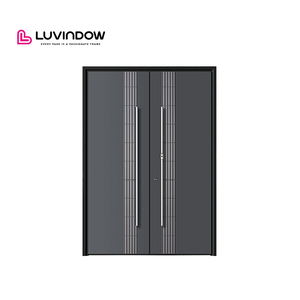
Premium Aluminum Large Main Entrance Doors Fire Prevent Security Entry Doors for Houses Modern
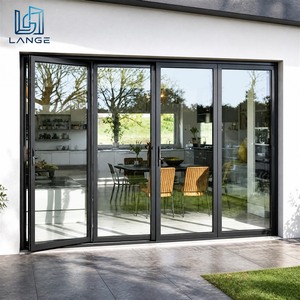
LANGE Aluminium Exterior Doors Wood Grain Transfer Coated Weather Resistant UV Coated Panel For Residential Units
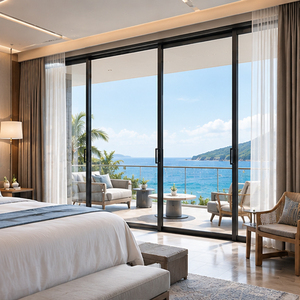
Custom Thermal Break Aluminum Casement Doors Large Glass For Resort Hotels And Beachfront Properties
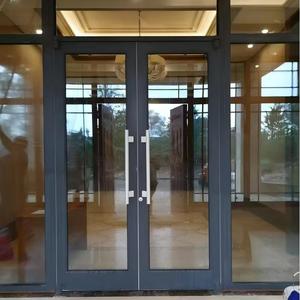
Modern Aluminum Casement Door Frosted Black Deep Gray Custom Size for Villa Apartment 1.5㎡ MOQ
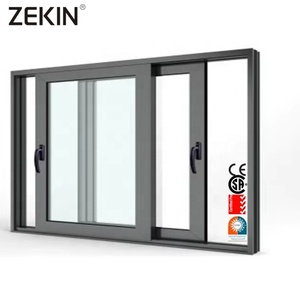
Customized Energy Efficient Sliding Window NFRC AS2047 certification Double Glass Hurricane Impact Proof Aluminum Sliding Window
Guangdong Dejiyoupin Doors & Windows Industrial Scale (DERCHI)
Recognized consistently among China’s Top 10 High-End Architectural Fenestration Brands, DERCHI operates out of a modernized 180,000㎡ manufacturing campus in Foshan, Guangdong. Backed by German precision tooling, automated CNC extrusion machining, automated insulating glass units (IGU) sealing lines, and over 100 invention, utility, and design patents.

Anatomy of Modern High-Performance Aluminum Glazed Fenestration
When sourcing aluminum glazed windows directly from Chinese manufacturing plants, commercial buyers and structural engineers must evaluate key physical parameters across profile metallurgy, thermal insulation, barrier geometry, and glazing configuration.
6063-T5 / 6063-T6 Primary Billet Aluminum
We reject recycled post-consumer scrap. Our profiles utilize virgin electrolytic primary A00 aluminum alloyed to 6063-T5 or T6 temper specifications. Wall thickness strictly exceeds regional building codes (ranging from 1.8mm to 3.0mm structural webs), ensuring superior tensile yield strength against deflection under severe high-velocity hurricane pressure.
Polyamide PA66 GF25 Multi-Chamber Thermal Breaks
Aluminum is naturally conductive. To eliminate thermal bridging, we crimp 24mm to 35mm Technoform-grade polyamide strips reinforced with 25% glass fiber (PA66 GF25). The coefficient of thermal expansion matches the aluminum extrusion perfectly, preventing stress debonding across extreme seasonal temperature swings.
High-Spec Insulating Glass Units (IGU) & Low-E
Glazed assemblies integrate dual or triple-pane safety glass configurations (e.g., 6mm Low-E + 16Ar + 6mm Clear, or SGP structural laminated glass for cyclonic zones). Cavities are 90%+ Argon filled with warm-edge composite spacers (Swisspacer / Technoform), radically reducing edge condensation and lowering center-of-glass U-values to under 1.1 W/m²K.
| Performance Standard | Testing Protocol | DERCHI Factory Achieved Rating | Typical Market Baseline | Project Application |
|---|---|---|---|---|
| Cyclonic Wind Resistance | AS 2047 / ASTM E330 | Rating N6 (>4500 Pa Design) | N3 / N4 (<2000 Pa) | Coastal, Island & High-Rise Facades |
| Thermal Transmittance (U-Factor) | NFRC 100 / EN ISO 10077 | U ≤ 1.35 W/m²·K (0.24 BTU/hr·ft²·°F) | U ≥ 2.80 W/m²·K | Passive House & Net-Zero Buildings |
| Water Penetration Resistance | AAMA 501.1 / AS 4420.5 | Static 700 Pa / Dynamic Pressure | 300 Pa – 450 Pa | Monsoon & Severe Tropical Climates |
| Air Infiltration Rate | ASTM E283 / EN 12207 | ≤ 0.05 L/s·m² (Class 4 Airtight) | ≤ 0.30 L/s·m² | Urban Acoustic Insulation & HVAC Saving |
| Acoustic Sound Attenuation | ISO 717-1 / ASTM E413 | Rw 42 dB – 48 dB (with PVB/SGP) | Rw 28 dB – 32 dB | Airport Corridors & City-Center Towers |
Future Procurement Trends for International Buyers
Navigating global supply chain dynamics, carbon emissions reporting, and code compliance requires forward-looking procurement strategies when importing from Chinese manufacturers.
Rigorous Third-Party Pre-Shipment Laboratory Testing
Global developers are moving away from self-declared manufacturer data. Tier-1 procurement contracts in North America, Australia, and the Middle East now enforce project-specific mock-up testing (PMU). DERCHI maintains direct partnerships with accredited testing bodies (Intertek, TÜV Rheinland, SAI Global) to issue genuine NFRC, CE, and AS2047 test certificates before mass production dispatch.
Single-Source Factory Integration Over Multi-Vendor Fragility
Fragmented procurement—buying window frames from one source, glass units from another, and hardware handles from a third—introduces catastrophic tolerance mismatches on site. Modern developers demand turnkey fenestration bundles where extrusion processing, insulated glazing, hardware fitment, and weather-seal calibration are 100% pre-assembled and checked under factory conditions.
EPD & Low-Carbon Aluminum Sourcing Mandates
With the European CBAM (Carbon Border Adjustment Mechanism) and global LEED / BREEAM requirements taking center stage, institutional buyers require Environmental Product Declarations (EPD). Utilizing hydro-powered smelting and high-purity aluminum alloys reduces embodied carbon per square meter by up to 45%, protecting commercial assets from future green tariffs.
Technological & Architectural Product Trends (2025–2030)
How architectural aesthetics, ultra-minimalism, and intelligent building automation are transforming modern glazed aluminum fenestration.
Ultra-Slim Sightlines & Concealed Sash Systems
Architectural demand is leaning heavily toward structural glass walls with minimal visible aluminum frames. Flush floor thresholds, concealed drainage sills, hidden hinges, and structural perimeter frame burial in exterior plaster create seamless panoramic vistas while maintaining AS2047 structural integrity under 3500+ Pa wind loads.
Smart Actuation, BAPV & IoT Sensor Integration
Modern luxury villas and commercial offices are adopting automated concealed multi-point electric chain actuators linked to KNX, Zigbee, or Crestron smart home protocols. Windows intelligently self-close when rain or wind sensors trigger, or synchronize with HVAC systems for automated nighttime air purging and solar-powered micro-ventilation.
Vacuum Glazing (VIG) & Dynamic Electrochromic Glass
Next-generation glazing combines vacuum insulated glass (VIG) technology, offering U-values as low as 0.45 W/m²K in an ultra-thin 10.3mm overall pane profile. Paired with dynamic electrochromic tinting, building occupants can modulate solar heat gain coefficients (SHGC) dynamically from 0.40 down to 0.08 without mechanical blinds.
Frequently Asked Questions for Global Fenestration Importers
Authoritative answers directly from our senior fenestration engineers to streamline your bidding, design validation, customs clearance, and on-site assembly.
What are the key technical differences between thermal break and non-thermal break aluminum windows? +
How does DERCHI ensure compliance with Australian AS2047 and American NFRC hurricane ratings? +
Can we request customized CAD shop drawings and BIM models before placing production orders? +
What surface finish options are recommended for high-salinity coastal environments? +
How are oversized glass casement doors and heavy windows safely packed for transoceanic freight? +
What hardware brands and multi-point locking mechanisms are fitted in DERCHI assemblies? +
Why Top Global Contractors Partner With DERCHI
From boutique private villas to 500-unit condominium developments, our Foshan factory provides the scale, precision, and certification peace of mind required by premier international builders.
180,000㎡ Mega Facility
Massive automated capacity located in Shishan Town, Foshan. Guarantees tight delivery schedules and strict batch-to-batch extrusion consistency for high-volume orders.
Top 10 China Brand
Recognized industry pedigree with 25+ years of engineering excellence, extensive export experience across the USA, Canada, Australia, Philippines, UAE, and Southeast Asia.
International Certifications
Independently tested and verified: CE, ISO 9001, Australian AS 2047, and UL fire ratings. Eliminates building inspection risks and project sign-off delays.
Direct English Support
Technical sales engineers operating on global project schedules. We deliver fast quotation turnaround, bilingual CAD detailing, and end-to-end installation guidance.
