Featured Architectural Aluminum Main Doors & Systems
Manufactured from virgin 6063-T5/T6 architectural aluminum billets, precision engineered for extreme structural wind loads, coastal anti-corrosion, and superior acoustic decoupling.
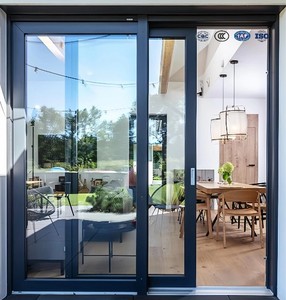
Modern Aluminum Alloy Sliding Windows And Doors with Tempered Glass Soundproof Exterior Use
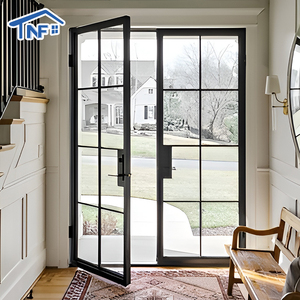
Modern Design Aluminum Casement Swing Door With Soundproof Glass Custom Made For Villas Waterproof And Finished Surface
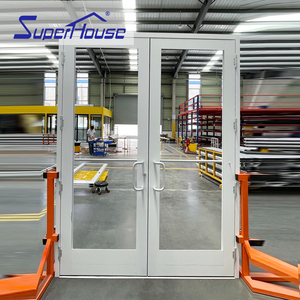
For Storefront Front Glaze White Swing Entry Commercial Impact NOA GLASS Aluminium Double Door Exterior Bedroom School
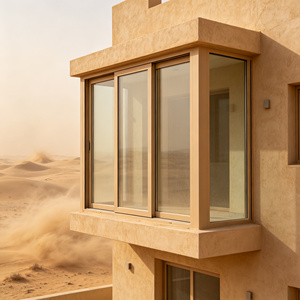
Thermal Break Aluminum Sliding Window Dust Proof Sealed Design Double Glazed Tempered Glass Sand Storm Resistant for Middle East
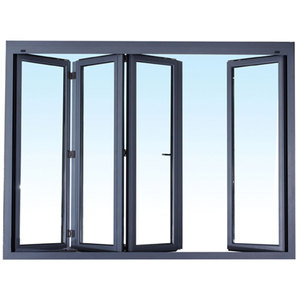
AS2047 Aluminium Frame Tilt Open Window Window Aluminium 3 Track Sliding windows Double Glazed Silidng Window
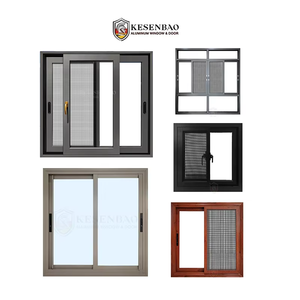
Modern Triple Glazed Aluminum Glass Sliding Windows With Screen & Mosquito Net
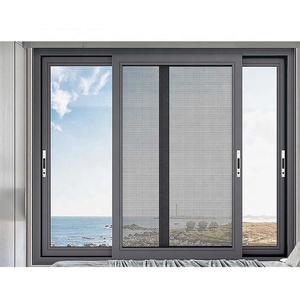
JBD Custom-made Modern Horizontal Sliding Folding Screen Double Tempered Glass Foshan Aluminum Alloy House Building Windows
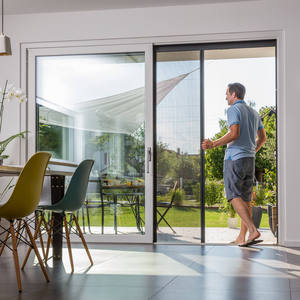
Aluminum Alloy Frame Pleated Mesh Folding Screen Doors Blinds Components Patio Insect Sliding Fly Screen Door
State of the Art in Chinese Aluminum Main Door Manufacturing
In high-end architectural envelope engineering, the main entrance door is the nexus of mechanical security, structural wind-load resistance, acoustic isolation, and architectural presence. As global architectural typologies transition toward oversized spans, floor-to-ceiling pivot structures, and integrated curtain-wall entrances, China's fenestration manufacturing cluster centered in Foshan, Guangdong has consolidated an unassailable global lead. This shift is not merely driven by economies of scale, but by rapid advancements in metallurgical extrusion chemistry, computerized multi-axis CNC routing, automated corner-crimping with structural epoxy pinning, and certified compliance with ASTM, AS 2047, CE, and ISO 9001 quality regimes.
Historically, timber and mild steel dominated primary residential and villa entrances. However, both traditional materials manifest structural vulnerability when exposed to coastal salt spray, monsoon humidity fluctuations, or high thermal cycling. Timber exhibits catastrophic warping, hygroscopic expansion, and grain rot, which severely compromises electronic mortise locks and perimeter air seals. Mild steel presents uncontrollable surface oxidation and aggressive rust bleeding along concealed seams unless treated with high-cost hot-dip galvanization that limits geometric precision. In contrast, modern 6063-T5 and structural 6063-T6 aluminum alloys provide an optimal strength-to-weight ratio, zero volumetric swelling, high ductility for complex profile extrusions, and inherent thermodynamic stability under extreme UV solar radiation.
| Performance Dimension | Architectural Grade Aluminum (DERCHI) | Standard Commercial Aluminum | Traditional Solid Hardwood | Hollow Metal / Mild Steel |
|---|---|---|---|---|
| Billet Alloy & Temper | Primary 6063-T5/T6 (GB/T 5237-2017 Class A) | Recycled Secondary Aluminum 6063-T4 | Teak / Oak / Mahogany Organics | Q235 Carbon Cold-Rolled Sheet |
| Dimensional Wall Thickness | 2.0mm – 3.5mm Heavy Gauge Reinforcement | 1.2mm – 1.4mm Non-structural | 45mm – 65mm Solid Core | 0.8mm – 1.2mm Gauge Skin |
| Thermal Insulation (U-Value) | 1.0 - 1.6 W/(m²·K) with PA66 GF25 Break | > 4.5 W/(m²·K) (Uninsulated Non-break) | 1.8 - 2.4 W/(m²·K) (Poor Air-seal Decay) | > 3.8 W/(m²·K) (High Thermal Bridging) |
| Coastal Salt-Spray Resistance | 3,000+ hrs Neutral Salt Spray (ASTM B117) | < 500 hrs Anodizing / Powder Break | Vulnerable to Fungal & Marine Rot | Severe Seam Rusting < 2 Years |
| Wind Pressure Rating | AS 2047 N6 (Up to 4500 Pa Deflection) | AS 2047 N2 - N3 (< 1500 Pa) | Subject to Warp & Perimeter Gapping | High Rigidity, High Hinge Sag |
| Maximum Leaf Dimension | Up to 2200mm (W) × 4200mm (H) Pivot | Restricted to 1000mm × 2400mm | High Risk of Sag Above 2400mm | Excessive Deadweight (>350kg) |
Guangdong Dejiyoupin Doors and Windows (DERCHI)
Recognized among the Top 10 fenestration and main door manufacturing enterprises in China, serving international developers, architects, and high-end residential estates across 50+ countries.
Operating out of an expansive 180,000-square-meter modern manufacturing base in Foshan, Guangdong Dejiyoupin Doors and Windows Co., Ltd. (DERCHI) combines over 25 years of specialized metallurgical fabrication with German-engineered automated processing lines. Unlike secondary assembly workshops that source precut profiles, DERCHI commands complete end-to-end sovereignty over design verification, profile extrusion, CNC milling, thermal barrier crimping, surface fluorocarbon powder coating, precision glazing, and dual-axis hardware alignment.
- Stringent AS 2047 N6 & CE Approval: Validated wind pressure, water penetration resistance (up to 700 Pa), and air infiltration parameters vetted by overseas laboratories.
- Free CAD & BIM Structural Shop Drawings: In-house facade engineering team produces millimeter-accurate CAD shop elevations, opening tolerances, and hardware routing schematics before cutting.
- Benchmarked Against German Standards: Certified by European builders and long-term Schüco partners, delivering identical structural rigidity and thermal performance with substantial capital savings.
- Pearl River Delta Strategic Export Logistics: Direct proximity to Nansha, Shekou, and Yantian container ports guarantees rapid dispatch to Southeast Asia, the Middle East, Australia, and the Americas.
Architectural Customization Capability
From minimalist narrow-bezel pivot doors to double-leaf cast aluminum manor entrances with integrated 3D sculpted bas-relief, DERCHI transforms structural engineering into sculptural facade statements.
* Verified through internal laboratory testing and third-party SGS / Intertek inspections.
Future Procurement Trends for Global B2B Door Buyers
How international developers, procurement managers, and facade contractors are optimizing their supply chains and technical specifications for the next generation of architectural buildings.
Oversized Architectural Pivot Entrances
Architectural demand has transitioned decisively from traditional standard single/double leaves toward monumental pivot doors exceeding 3.5 meters in height and 1.8 meters in clear width. Sourcing these oversized structures requires factories with reinforced internal steel stiffeners, heavy-duty concealed floor springs (such as Dorma or customized hydraulic German-engineered pivots), and deflection-resistant structural extrusions capable of resisting wind deformation without binding lock deadbolts.
Passive House Thermal Break Integration
Global energy efficiency directives, including European EPBD regulations and Middle East Estidama green building codes, now enforce strict U-value thresholds for primary entrance envelopes. Procurement is shifting rapidly toward continuous multi-cavity polyamide (PA66 GF25) thermal struts, argon-filled triple insulating glass units with warm-edge spacers, and aerogel-infused profile voids that achieve total door assembly thermal performance below 1.2 W/(m²·K).
Direct-to-Factory CAD/BIM Collaboration
Intermediate trading layers are becoming obsolete. Institutional buyers, hotel developers, and facade contractors now engage directly with Chinese tier-1 manufacturing engineering centers via live CAD shop drawing reviews, shared BIM Revit models, and real-time digital factory audits. This reduces project transmission lead times by 30%, eliminates dimensional misunderstandings on site, and cuts overall entrance package costs by 35% to 50%.
Product Development & Engineering Trends
Key breakthroughs in alloy metallurgy, smart security interfaces, micro-level perimeter sealing, and advanced anti-corrosion chemistry transforming the main door sector.
Multi-Point Electronic Mortise Integration
Integration of heavy-duty motorized multi-point lock mechanisms concealed within the profile stile. Compatible with 3D facial recognition, biometric finger-vein sensors, and building automation protocols (Zigbee/Matter/RS485) while maintaining emergency mechanical key backup.
Marine-Grade PVDF & Fluorocarbon Finishes
Utilization of 3-coat/2-bake fluoropolymer finishes meeting AAMA 2605 requirements. Provides unmatched resistance against severe coastal salt crystallization, industrial acid rain, and prolonged tropical UV exposure without chalking, color fading, or micro-cracking for over two decades.
Cast Aluminum Relief & Monolithic Panels
Fusion of structural aluminum perimeter frames with 8mm-12mm solid cast aluminum exterior faceplates. Allows 3D sculptural patterns, forged architectural motifs, and bullet-resistant ballistic core fillings suited for high-security estates and private residential fortresses.
Continuous Vulcanized EPDM Gasket Systems
Transitioning from segmented brush weather-stripping to continuous co-extruded vulcanized EPDM or silicone corner-welded perimeter barriers. Delivers complete airtightness under typhoon suction and complete acoustic decoupling up to 45 decibels.
Frequently Asked Questions on Aluminum Main Door Sourcing
Addressing the most critical commercial, technical, quality verification, and shipping inquiries raised by international builders and importers.
What distinguishes Foshan aluminum door manufacturers from suppliers in other Chinese regions? +
How do aluminum main doors perform in severe coastal, high-humidity, and typhoon environments? +
What is the difference between thermal break and non-thermal break aluminum entrance profiles? +
Can large-format pivot doors and bespoke main entrance designs be customized with CAD drawings? +
What safety glass specifications are standard for aluminum main doors? +
How are aluminum entrance doors packaged to prevent damage during long-distance ocean transit? +
What international testing standards and certifications should I verify before placing a container order? +
Connect Directly with Our Fenestration Engineering Team
Planning a custom villa entrance, commercial architectural project, or container distribution order? Send your schedules, structural elevations, or rough opening dimensions to our English-speaking engineering desk for instant CAD drafting support and direct-from-factory pricing.