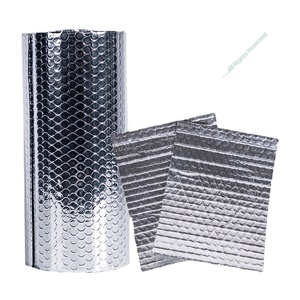
 Thermal Insulation
Engineered Fenestration Systems
Featured Commercial & Architectural Fenestration Portfolios
Tested rigorously under cyclic pressure and coastal environmental weathering, our curated sliding, folding, and casement solutions cater to residential developments, hospitality complexes, and commercial store fronts worldwide.
Thermal Insulation
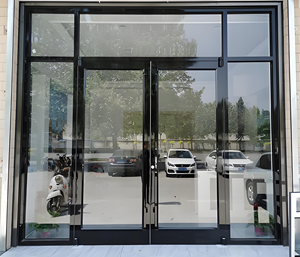 Commercial Entry
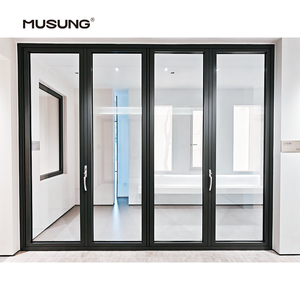 Hurricane Proof
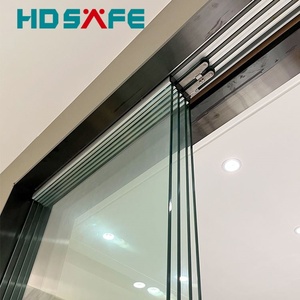 Minimalist Interior
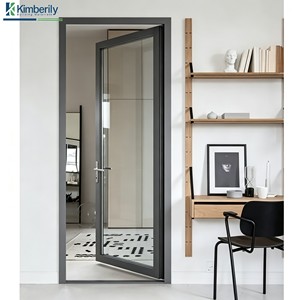 Sound Insulated
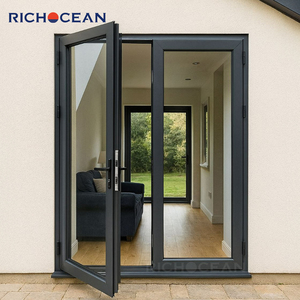 Impact Rated
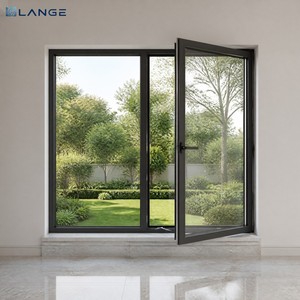 Double Glazed
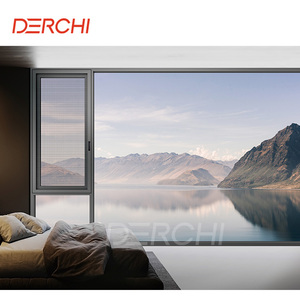 Shock Resistant
Architectural Whitepaper • Section 01
Engineering Best-in-Class Aluminum Sliding Doors with Integrated Windows
A rigorous examination of primary structural metallurgy, fenestration junction seals, and thermal barrier mechanics for tier-one project delivery.
In modern architectural fenestration, the specification of aluminum sliding doors with integrated windows requires a holistic balance of structural mechanics, thermodynamics, and long-term cycle durability. Global developers, structural engineers, and commercial specifiers sourcing from China no longer evaluate suppliers merely on superficial visual polish. Instead, technical assessment centers on structural deflection limits (such as L/175 or L/240 under ASTM E330 testing), air permeability ratings (EN 12207 Class 4), and water tightness resistance under extreme wind pressures (exceeding 700 Pascals per AS 2047 and ASTM E331).
Guangdong Dejiyoupin Doors and Windows Co., Ltd. (operating the internationally recognized DERCHI brand) engineers aluminum sliding systems leveraging high-tensile AA6063-T6 and AA6061-T6 architectural alloys. Extrusion wall thicknesses are engineered from 2.0mm to 3.5mm across critical load-bearing vertical mullions and roller tracks, eliminating the frame racking and sash sag typical of lightweight consumer-grade extrusions. The integration of contiguous window lites—such as clerestories, transoms, and fixed flanking sidelights—relies on heavy-duty internal steel or extruded aluminum reinforcing spigots. This guarantees that wind load transfer operates seamlessly without inducing microscopic fatigue in corner crimp joints or perimeter silicone weather seals.
Furthermore, energy conservation codes in the EU (Energy Performance of Buildings Directive), North America (ASHRAE 90.1), and Australasia require stringent thermal transmittance controls. Our systems feature multi-chambered polyamide PA66 GF25 thermal break strips, substantially decoupling the outdoor aluminum frame from the interior living envelope. By incorporating warm-edge silicone structural foam spacers and Argon-filled insulated glass units (IGU) equipped with advanced dual or triple magnetron sputtering Low-Emissivity coatings, overall system thermal values drop to U-values ≤ 1.3 W/(m²·K), yielding exceptional whole-building energy efficiency.
Structural Alloy Integrity
Fabricated strictly using primary electrolytic billet AA6063-T6 aluminum. Tensile yield strength surpasses 210 MPa, ensuring structural mullions resist cyclic deflection and hurricane-tier blast events.
Multi-Chamber Thermal Breaks
Reinforced with 25% glass-fiber polyamide (PA66 GF25) extrusion isolators. Limits thermal conduction across extreme temperature differentials from -30°C sub-freezing winters to +50°C arid deserts.
Sub-Floor Drainage Mechanics
Concealed stepped weeping channels with integrated gravity one-way flapper valves. Effectively evacuates water accumulation at volumes up to 350 L/(h·m²) without localized reverse pressure siphoning.
Strategic Sourcing Analysis • Section 02
Emerging Procurement Trends in Architectural Doors & Windows (2025–2030)
How global supply chain volatility, strict ESG criteria, and industrialized construction are shifting B2B procurement behaviors.
The global facade and fenestration market is experiencing an unprecedented structural shift driven by climate change adaptation, modular pre-fabrication, and strict embodied carbon auditing. International commercial procurement directors from Sydney to Los Angeles, Dubai, and Manila are moving away from local, piecemeal window assembly shops in favor of vertically integrated Chinese manufacturing hubs. Foshan—the epicenter of precision Chinese aluminum metallurgy—has established itself as the primary international supplier base capable of executing custom-engineered, multi-hectare facade schedules with traceable quality consistency.
Key procurement shifts currently reshaping the 2025–2030 global sourcing ecosystem include:
Prefabricated Sub-Frame Systems
Commercial developers demand factory-assembled modular sub-frames with pre-punched anchoring clips. This slashes on-site crane time and specialized glazing labor costs by up to 45% during final envelope enclosure.
Traceable EPDs & Low-Carbon Ingot
Driven by EU Carbon Border Adjustment Mechanism (CBAM) requirements, leading tenders favor suppliers utilizing hydro-powered aluminum smelting. DERCHI tracks Environmental Product Declarations (EPD) to minimize lifecycle impact.
Smart Automation & Concealed Hardware
Demand for motorized sliding automation with concealed brushless magnetic drive motors, integrated rain/wind sensors, and smart home Modbus integration has expanded at an annual compound rate of 28% across luxury villas.
| Performance Characteristic | Standard Market Aluminum System | DERCHI Heavy-Duty Engineered System | Architectural Benefit |
|---|---|---|---|
| Alloy Composition & Purity | Recycled scrap aluminum mix, variable billet | 100% Primary AA6063-T6 / T5 Virgin Ingot | Maximum tensile stability; zero surface pitting |
| Profile Wall Thickness | 1.2mm – 1.4mm (Residential standard) | 2.0mm – 3.2mm structural thickness | Supports oversize glass sashes exceeding 400kg |
| Thermal Transmittance (U-Value) | Uf > 3.8 W/(m²·K) (Non-broken profile) | Uw ≤ 1.2 to 1.6 W/(m²·K) (Polyamide broken) | Exceeds strict IECC and LEED v4 green energy codes |
| Air & Water Ingress Rating | Class 2 (300 Pa Water Tightness) | AS 2047 N6 / ASTM E331 (> 700 Pa Water) | Total defense against Category 5 typhoon monsoons |
| Hardware Durability Benchmark | Generic nylon rollers (~15,000 cycles) | Quadruple 304 Stainless Steel Rollers (100,000 cycles) | Effortless fingertip glide throughout multi-decade lifespan |
Technological Evolution • Section 03
Next-Generation Technology: Slim Sightlines, Surface Chemistry & Acoustics
A deep dive into PVDF fluorocarbon coatings, acoustic sound-attenuating laminates, and zero-gravity tandem roller bearings.
Historically, large architectural aluminum sliding doors suffered from significant trade-offs: massive structural interlocks obstructed view lines, while ultra-slim profiles lacked structural rigidity under cyclic gusts. Modern engineering breakthroughs at the DERCHI Foshan R&D center have fundamentally overcome this limitation. By utilizing high-density carbon-steel reinforcement rods concealed entirely within the vertical interlocking stile, we achieve an ultra-minimal visible sightline of just 18mm to 25mm, while fully supporting individual sash heights exceeding 4,000mm and weights up to 550kg.
In addition to structural advancements, environmental surface protection plays a pivotal role in coastal installations. Standard anodized or low-cost electrostatic powder coatings degrade rapidly when subjected to intense UV irradiation and marine chloride ions, resulting in micro-cracking and chalking within 24 to 36 months. DERCHI applies automotive-grade Kynar 500-based PVDF (Polyvinylidene Fluoride) three-coat fluorocarbon finishes, meeting and exceeding the rigorous requirements of AAMA 2605-20 specifications. Tested against continuous 4,000-hour neutral salt spray (ASTM B117) and intense QUV accelerated weathering, our surface treatments guarantee 20+ years of vibrant color retention, chemical stain immunity, and zero filiform corrosion.
Acoustic dampening is another critical frontier for urban and resort hospitality developments. Noise reduction is achieved by engineering asymmetrical glass build-ups, such as 6mm Low-E Tempered + 12mm Argon + 4mm Clear + 1.14mm Saflex Acoustic PVB + 5mm Clear. When paired with continuous, triple-path vulcanized EPDM cellular rubber sealing gaskets (avoiding brittle PVC alternatives), the resulting sliding door assemblies achieve exceptional sound attenuation ratings up to STC 44 dB / Rw 43 dB, effectively silencing airport take-off noise and street traffic into tranquil interior environments.
AAMA 2605 Fluorocarbon Coating
Tri-coat PVDF application baked at 230°C. Unrivaled resistance against marine chloride salinity, atmospheric acid rain, and ultra-high solar UV radiation in tropical seaside zones.
Acoustic Acoustic Isolation (STC 44)
Engineered multi-layer laminated glass paired with acoustic interlayer films. Dampens low-frequency vibrations and blocks severe metropolitan and highway noise.
Precision Heavy-Duty Bogies
Quad-wheel 304 stainless steel tandem carriages with self-lubricating sealed bearings. Certified to maintain whisper-quiet gliding under severe 450kg dynamic loads.
Manufacturing Scale • Section 04
Why International Projects Choose DERCHI / Guangdong Dejiyoupin
A 25-year legacy of engineering excellence backed by one of the largest specialized fenestration production complexes in Asia.
01
180,000㎡ Mega Base
Based in Foshan, Guangdong, our advanced smart manufacturing base integrates high-speed CNC cutting centers, computerized dual-corner crimpers, and automated robotic glass bonding lines.
02
International Code Approvals
Full compliance with Australian AS 2047 (N6 rating), European CE (EN 14351-1), ISO 9001 quality management, and UL fire ratings. Smooth approvals across municipal building authorities worldwide.
03
Turnkey BIM & CAD Engineering
Our 40+ member in-house technical department provides complimentary shop drawings, static wind load deflection calculations, glass thermal stress analyses, and direct BIM 3D models prior to extrusion cutting.
04
Proven Export Infrastructure
Immediate proximity to Pearl River Delta ports (Shenzhen and Guangzhou). Fully seaworthy non-fumigation plywood crates with internal desiccants, edge-protectors, and shock absorbers ensure zero-defect overseas delivery.
Procurement Technical Advisory • Section 05
Frequently Asked Questions by Global Specifiers & Importers
In-depth, candid technical answers covering building codes, structural deflection, water ingress defense, and logistics.
How do integrated aluminum sliding door and window systems maintain structural rigidity across high-wind coastal zones? +
Rigidity is maintained through two primary engineering measures: moment of inertia optimization and internal structural reinforcement. Vertical interlocking stiles are extruded with structural hollows designed to accept internal extruded aluminum or cold-formed steel reinforcing spigots. During a cyclonic gust, positive and negative pressures are transferred directly to the sub-structure via multi-point locking pins anchored into reinforced head and sill jambs. DERCHI systems are certified to AS 2047 N6 criteria, resisting ultimate wind pressures exceeding 4,500 Pa without structural fastener failure or permanent plastic frame deformation.
What glass configuration balances maximum thermal reduction (SHGC/U-value) with high visible light transmission? +
For tropical, coastal, and sun-drenched regions (Southeast Asia, Middle East, Southern US, Australia), we recommend a Double Silver or Triple Silver Low-E insulated glass unit (IGU). An optimal configuration is 6mm Clear Low-E (coating on surface #2) + 12mm 90% Argon Gas filled cavity with warm-edge composite spacer + 6mm Clear Tempered. This configuration yields a Solar Heat Gain Coefficient (SHGC) of approximately 0.28 to 0.32, keeping unwanted infrared solar heat out, while preserving Visible Light Transmission (VLT) above 62% and dropping the overall fenestration U-factor below 1.4 W/(m²·K).
Can large multi-track sliding doors feature flush zero-threshold drainage without risking storm water ingress? +
Yes. True architectural barrier-free transitions require an integrated sub-sill trench drainage matrix. DERCHI’s flush threshold system utilizes a heavy-duty stainless steel grating positioned flush with both interior finished timber/tile and exterior patio decking. Below the track, a concealed extruded drainage sump collects water through capillary drainage channels. Combined with internal pressure-equalization air chambers and anti-backflow flappers, the system resists water head penetration up to 700 Pascals while maintaining 100% ADA-compliant flush walk-through accessibility.
What specific quality documentation and factory auditing protocols are provided prior to container shipment? +
Every production batch undergoes a comprehensive 36-step Quality Control audit. Prior to packing, clients receive: (1) Raw material chemical and physical mill certificates (verifying 6063-T6 composition); (2) Spectrophotometer coating adhesion and dry film thickness (DFT) reports; (3) Glass tempering fragmentation and IGCC/SGCC certification documents; (4) Full mock-up trial assembly photos and videos verifying seamless roller glide and lock tolerance; (5) High-resolution container loading inspection reports verifying crate strapping and moisture desiccant placement.
What are the lead times for custom-extruded aluminum sliding systems from initial CAD sign-off to port loading? +
For standard architectural profiles with catalogue finishes (Black, Anodized Silver, Charcoal Grey, Pure White), production typically requires 25 to 30 calendar days following final CAD shop drawing sign-off and deposit receipt. For highly customized die extrusions, specialized PVDF color matches (RAL custom matching), or complex laminated curved glass assemblies, production timelines range between 35 and 45 days. Rapid vessel departures out of Nansha (Guangzhou) or Yantian (Shenzhen) ensure swift transpacific and regional transit.
How does the factory prevent galvanic corrosion when steel structural fasteners meet aluminum framing members? +
Galvanic corrosion occurs when dissimilar metals with distinct electrochemical potentials contact each other in the presence of an electrolyte (moisture/salt air). DERCHI enforces strict mechanical isolation: all structural installation fasteners are exclusively fabricated from Grade 316 or 304 Austenitic Stainless Steel, equipped with non-conductive EPDM or nylon insulating isolation washers. Internal steel reinforcing bars are chemically zinc-plated and coated with anti-corrosive barrier sealants to ensure absolute zero metal-to-metal galvanic battery reaction across decades of seaside service.
Initiate Your Architectural Project With Direct Engineering Support
Send your door and window schedules, CAD floor plans, or tender specifications. Our technical engineering team in Foshan will deliver free structural calculations, BIM shop drawings, and competitive direct factory quotations within 24 hours.
Get a Quote