High-Performance Impact & Storm Windows
Precision-machined from architectural grade 6063-T6 aluminum alloys and fitted with multi-layered SGP/PVB laminated structural glass. Designed for multi-family towers, coastal villas, and high-velocity hurricane zones (HVHZ).
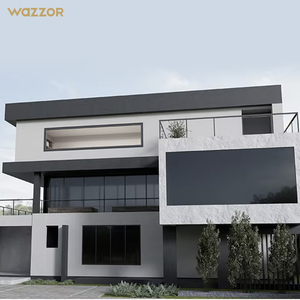
Wazzor High-Rise Aluminium Window Hurricane Windows Florida Approval Factory Cheap Price Aluminum Awning Hurricane Impact Window
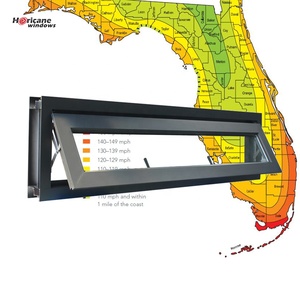
Superhouse Aluminium Window Hurricane Windows Florida Approval Factory Cheap Price Aluminum Awning Hurricane Impact Window
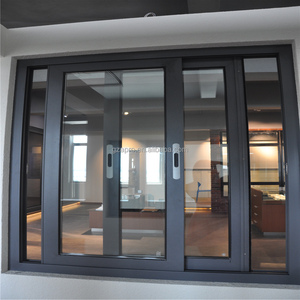
Hurricane Impact Aluminum Slide Energy Efficient Sliding windows Double Glass Aluminum Sliding Window
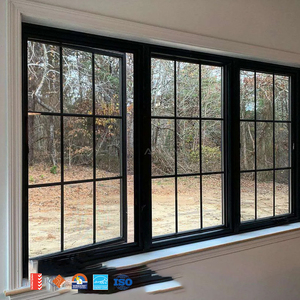
AMJ Factory Australian Standard Doors Window Manufacturers Hurricane Impact Cheap Aluminum windows Aluminum Casement Windows
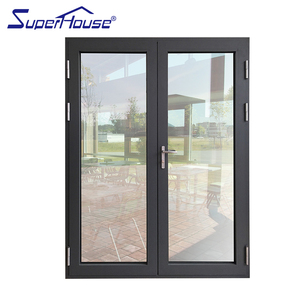
Design Waterproof Aluminium Double Glazing French Double Entry Storm Doors Superhouse Cheap French Doors AS2047 New Glass Steel
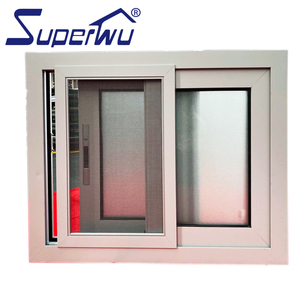
Florida Miami-Dade Noa Approved Hurricane Proof Impact Aluminum Glass Sliding Window
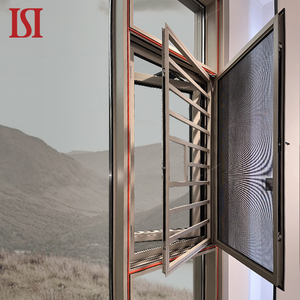
Top Brand Custom Design Security Burglar Proof Swing Open Casement Windows Blackout Window Shades with Hinges
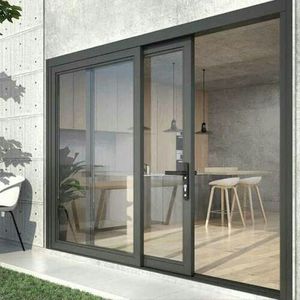
Customized High Quality Aluminium Double Tempered Glass Sliding Doors Energy Efficient More Panels Sliding Door For Sale
Direct Manufacturing Infrastructure: Guangdong Dejiyoupin (DERCHI)
Operating from the global epicenter of architectural aluminum extrusion in Foshan, Guangdong, our advanced smart manufacturing complex bridges heavy structural resilience with refined architectural aesthetics.
When global developers, commercial contractors, and architectural procurement managers seek the best aluminum storm windows suppliers and exporters in China, their primary criteria extend far beyond base extrusion pricing. Commercial project success hinges on uncompromising engineering integrity, repeatability in automated CNC corner-crimping, structural silicone bonding adhesion under cyclic loads, and verifiable laboratory test certifications. As a premier Top 10 fenestration brand in China, Guangdong Dejiyoupin Doors and Windows Co., Ltd. (DERCHI) engineers facade and fenestration solutions that withstand the world's most aggressive meteorological environments—from category-5 Atlantic hurricane corridors in Florida and the Caribbean to severe super-typhoon shorelines across Southeast Asia, Australia, and the coastal Pacific Rim.
Precision Engineering & High-Tolerant Profile Extrusions
The fundamental defense of an aluminum storm window rests upon the structural integrity of its extruded frame. We utilize primary billet aluminum 6063-T6 and 6061-T6 profiles with minimum web thicknesses exceeding 2.0mm to 3.0mm on major load-bearing structural members. Unlike commercial grade recycled aluminum which often suffers from microscopic internal voids and inconsistent tensile yields, our profiles deliver a guaranteed tensile strength greater than 205 MPa.
- AAMA 2605 Architectural Fluorocarbon (PVDF) Coatings: 3-coat continuous electrostatic application withstanding 10-year salt-spray and extreme coastal UV degradation without chalking.
- Technoform Polyamide PA66 GF25 Thermal Breaks: Multichambered thermal isolators eliminating thermal bridging, preventing interior condensate dripping in humid tropical regions.
- CNC Four-Corner Mechanical Cleats & Dual-Component Epoxies: High-pressure mechanical crimping backfilled with German-engineered casting glue ensures 100% water-impermeable joint seams under violent wind loads.

International Fenestration Testing Standards: How We Outperform
Global building codes do not accept generic claims. Our storm and hurricane impact fenestration series undergo rigid physical testing verified by independent international laboratories.
| Testing Standard / Target Region | Test Methodology & Stress Parameters | Minimum Pass Metric | DERCHI Engineered Execution |
|---|---|---|---|
| Florida Building Code (Miami-Dade NOA) / USA HVHZ | TAS 201 (Large Missile Impact), TAS 202 (Static Air Pressure), TAS 203 (Cyclic Pressure) | 9 lb 2x4 lumber firing at 50 ft/s (34 mph), followed by 9,000 positive/negative pressure cycles | Exceeds +100 / -100 PSF Design Pressure with 1.52mm / 2.28mm Kuraray SentryGlas (SGP) Interlayers |
| Australian Standard AS 2047 / AS 1170.2 (Cyclone Regions C & D) | Deflection testing, Air infiltration (AS 4420.4), Water penetration resistance (AS 4420.5), Ultimate strength (AS 4420.6) | Design wind pressures up to N6 / C4 classifications (4500 Pa ultimate test pressure) | AS 2047 N6 certified with 600 Pa zero-leakage water penetration threshold and heavy sill flap drainage |
| European Standard CE / EN 14351-1 | Air Permeability (EN 1026), Watertightness (EN 1027), Wind Load Resistance (EN 12211) | Class 4 Air Tightness, Class E1200 Watertightness, Class C5 Wind Load Resistance | Precision cellular EPDM multi-chamber gaskets, continuous co-extruded perimeter compression lines |
| International Anti-Intrusion (EN 1627 / RC3 Rating) | Forced entry manual attack simulation with crowbars, screwdrivers, wedge tools for 5+ minutes | Zero sash breach or glass dislodgement from structural frame bite | Concealed perimeter mushroom-head multi-point locking gear, 22mm structural rebate glass bite |
In coastal high-velocity hurricane zones (HVHZ), the failure of a single exterior window unit can cause instantaneous catastrophic internal pressurization, leading to roof detachment and full structural failure of the building envelope. To mitigate this critical risk, our hurricane impact aluminum storm windows rely on composite laminated glass configurations. Instead of standard float glass, we engineer assemblies utilizing heat-strengthened outer lites, high-adhesion interlayers, and tempered structural interior lites. While a direct impact from wind-borne debris may fracture the outer glass face, the structural SentryGlas (SGP) or specialized cross-linked PVB interlayer retains its dimensional cohesion, hermetically sealing the building envelope against Category 5 wind speeds up to 175 mph (280 km/h) and continuous horizontal torrential rainfall.

Full Traceability & In-House Fenestration Testing Lab
Every production batch destined for export undergoes rigorous multi-stage quality validation inside our certified on-site testing facility. Our laboratory capabilities include a calibrated cyclic chamber reproducing 10,000 Pa dynamic gusts, positive and negative pressure chambers for air permeability testing, and acoustic transmission test bays.
- Spectrometric Alloy Verification: Strict QA screening ensures all raw aluminum extrusions meet ASTM B221 composition standards.
- Dow Corning / Sika Structural Glazing Adhesion: Peel and adhesion tests verify 100% silicone cohesion on glass bites before crating.
- Salt Fog Corrosion Chambers: 3,000-hour ASTM B117 salt fog testing guarantees all hardware, fasteners, and hinges withstand seaside atmospheres.
Why Global Importers & Contractors Partner with DERCHI
We eliminate the typical pain points of international fenestration sourcing: inconsistent dimensional tolerances, transit damage, code rejections, and time-zone friction.
Single-Source Factory Direct Integration
Avoid intermediaries. From aluminum casting and profile extrusion to CNC glass cutting, automated tempering, IG unit assembly, and surface finishing, our full vertical integration guarantees total batch consistency and factory-direct pricing efficiency.
Complete CAD / BIM Shop Drawing Support
Our 40-member engineering department provides complete structural CAD elevation layouts, anchor installation calculations, wind load deflection engineering reports, and Revit BIM models tailored to your local municipal permitting requirements.
Seaworthy Export Plywood Crating
Zero breakage policy. Products are individually wrapped with protective blue film, padded with high-density EPE foam corner bumpers, and anchored within fumigated, steel-strapped solid plywood crates engineered for seamless ocean container un-stuffing.
Dedicated Global Engineering Support
Fluent English-speaking fenestration engineers provide direct technical consulting throughout the estimating, submittal, production, and installation phases. We eliminate guesswork with step-by-step video installation guides and on-site engineering consultations.
German Hardware Integration (Siegenia / Hoppe)
A storm window's pressure rating is only as resilient as its mechanical running gear. We partner directly with premium hardware innovators including Siegenia, Hoppe, and CMECH to deliver 304/316 stainless steel friction hinges, multipoint casement locks, and anti-lift rollers.
Proven International Project Portfolio
From exhibiting as an industry benchmark at Philippines WORLDBEX 2025 to engineering luxury multi-family developments across Australia, the Caribbean, Dubai, and the Pacific Islands, our products pass inspection on the first submission without costly jobsite delays.
Future Procurement Trends in Architectural Storm Fenestration (2025–2030)
How structural engineering shifts, stringent net-zero thermal mandates, and automated supply chains are reshaping commercial fenestration sourcing.
The international fenestration industry is undergoing a structural paradigm shift. Historically, storm protection was handled reactively—through supplementary storm shutters, external plywood installations, or basic secondary single-hung storms installed over aging residential sashes. In 2025 and beyond, commercial real estate developers, building envelope consultants, and institutional buyers have universally shifted toward integrated, high-performance structural impact envelopes. Sourcing directors seeking sustainable procurement advantages must navigate five key structural trends:
1. Ionoplast SGP Interlayers Replacing Standard PVB
While Polyvinyl Butyral (PVB) has served as the conventional standard for impact glazing, architectural specifications increasingly require Ionoplast interlayers (such as Kuraray SentryGlas). SGP interlayers exhibit five times the tear strength and one hundred times the rigidity of conventional PVB. In hurricane impact applications, SGP allows thinner overall glass sandwiches while eliminating post-breakage sagging, ensuring that breached lites remain structurally rigid within the frame even under prolonged, multi-hour windstorm conditions.
2. High-Performance Thermal Decoupling in Impact Profiles
Historically, hurricane-rated windows were engineered primarily for brute structural yield strength, frequently omitting thermal breaks because solid aluminum frames provided simpler structural stability. Modern energy codes (IECC, California Title 24, Australian NCC 2022) now demand rigorous U-values below 0.28 BTU/hr·ft²·°F (U < 1.6 W/m²K). Future-ready storm windows must now combine heavy structural aluminum framing with advanced multi-cavity Polyamide 6.6 thermal struts, aerogel insulation cores, and triple-pane Low-E insulated glass units (IGUs).
3. Minimalist Narrow Sightlines with Heavy-Gauge Walls
Contemporary luxury residential architecture demands ultra-wide unobstructed vistas with minimal visible profile frames. Fenestration manufacturers are abandoning bulky multi-tiered sash steps in favor of ultra-slim, flush-line aesthetic profiles. Achieving extreme Miami-Dade Design Pressures (DP 80+) with ultra-narrow 45mm to 65mm face sightlines requires sophisticated finite element analysis (FEA), internal steel or carbon-fiber reinforcement sleeves, and structural silicone glazing (SSG) techniques.
4. Smart Motorization & Building Automation Integration
The convergence of IoT and fenestration is transforming storm defense into an automated component of building management systems (BMS). Next-generation aluminum storm casements and sliding glass walls incorporate concealed European 24V DC linear chain actuators and motorized multi-point mechanical lock gear.
When central wind and barometric pressure sensors detect approaching storm systems exceeding 45 knots, automated override protocols automatically cycle all open awning, casement, and sliding panels into locked high-compression positions, engaging perimeter EPDM compression seals without requiring manual physical intervention by building maintenance personnel.

5. Decoupled Direct-Sourcing Supply Chains: In response to inflating domestic labor costs in North America, Europe, and Australia, general contractors and mid-market real estate developers are systematically bypassing multi-tier local distributor markups. By establishing direct factory procurement agreements with certified Chinese original equipment manufacturers (OEMs) like DERCHI, developers realize 35% to 55% procurement cost reductions while securing direct factory warranty coverage, priority production scheduling, and custom architectural finishes unavailable through catalog distributors.
Frequently Asked Questions for B2B Importers & Contractors
Comprehensive technical clarity covering structural calculations, certification validity, ocean logistics, and project customization.
What distinguishes an authentic hurricane-impact storm window from a standard double-glazed aluminum window?
+
How do you guarantee that fenestration manufactured in China will pass local building inspection in the US, Australia, or the UK?
+
What is the difference between Design Pressure (DP) and Performance Grade (PG)? How should we calculate our required ratings?
+
How does DERCHI protect aluminum finishes and structural hardware against sea-salt corrosion during ocean transit and long-term coastal exposure?
+
What is your typical production lead time, and how do you handle shipping logistics from Foshan, China?
+
Can DERCHI accommodate bespoke architectural requirements, such as oversized sliding glass walls, arched storm tops, or integrated insect screens?
+
What documentation and shop drawings are provided prior to committing to production?
+
What is DERCHI’s factory warranty coverage on structural frames, glass units, and operating hardware?
+
Accelerate Your Fenestration Project with Direct Factory Engineering
Send us your architectural window schedule, elevation drawings, or project tender documents. Our engineering team will return a comprehensive structural proposal, preliminary CAD connection details, and a competitive factory-direct commercial quotation within 24 hours.