Engineered Big Windows & Architectural Entrance Systems
Tested to extreme structural benchmarks including Australian AS2047, European CE, NFRC, and US Impact Standards. Explore our factory-direct precision fenestration lines.
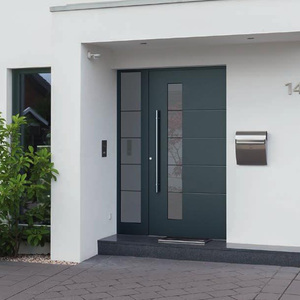
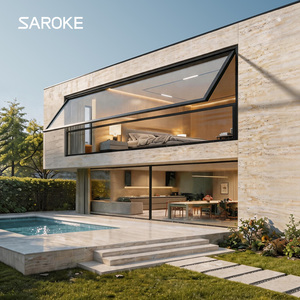
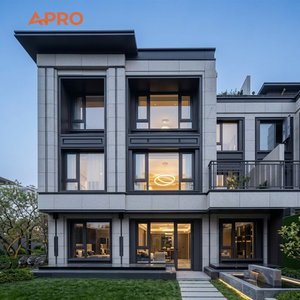
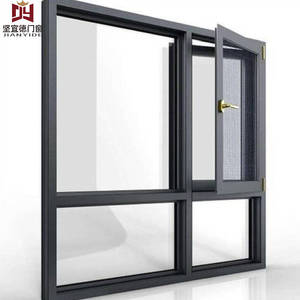
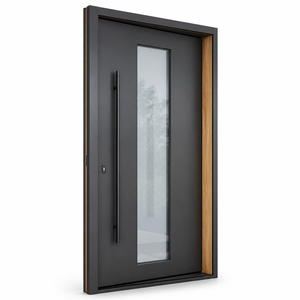
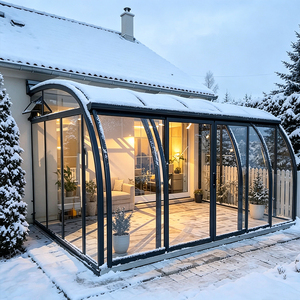
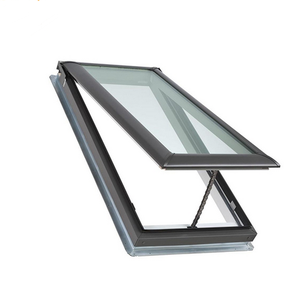
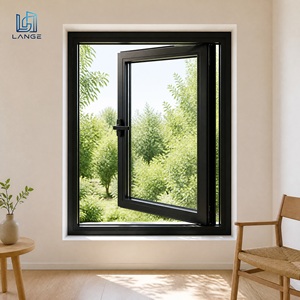
The Structural Mechanics of Architectural Big Windows: Why China's Supply Chain Leads the Global Market
In contemporary architectural design, the boundary between interior living spaces and surrounding natural vistas has practically dissolved. Specifiers, façade consultants, and general contractors increasingly demand panoramic expanses of vision glass—commonly referred to as "big windows," multi-slide scenic systems, and architectural glass curtain walls. However, executing oversized window formats spanning floor-to-ceiling dimensions (often exceeding 3,500 mm in height and individual sash weights over 450 kilograms) introduces severe engineering challenges. These structural challenges include wind load resistance, deflection criteria (L/175 or L/240 per ASTM E1300 and AS1288), thermal bridging, airtightness, and water penetrability under cyclonic storm events.
As one of China's premier fenestration conglomerates, Guangdong Dejiyoupin Doors and Windows Co., Ltd. (DERCHI) represents the pinnacle of Chinese precision manufacturing. Situated in the heart of China’s aluminum extrusion capital—Foshan, Guangdong—our 180,000㎡ industrial park integrates primary alloy billet casting, precision extrusion die processing, polyamide thermal break assembly, automated CNC machining, robotic multi-point sealing, and automated insulating glass unit (IGU) secondary sealing. Recognized among the Top 10 premium window and door brands in China, DERCHI eliminates the fragmentation typically found in Western fabrication networks by consolidating all engineering, structural testing, and production phases within a unified quality-assurance framework.
6063-T6 Aerospace Extrusions
We strictly utilize virgin 6063-T6 and 6061-T6 prime primary billet aluminum with profile wall thicknesses up to 3.0mm, ensuring tensile strength far exceeding minimum architectural standards to eliminate sag and frame racking under extreme wind pressures.
PA66 GF25 Polyamide Thermal Barriers
Thermal transmission is isolated using multi-cavity German Technoform polyamide insulating bars reinforced with 25% glass fiber (PA66 GF25). Combined with polyurethane foam cavity filling, our systems achieve overall window U-values as low as 0.85 W/m²·K.
GMT+8 Global Project Engineering
Our veteran in-house engineering team works across international time zones to furnish complimentary parametric CAD shop drawings, BIM family models, static wind-deflection calculations, and glass stress analysis before a single profile is cut.
B2B Procurement Trends Shaping the Global Aluminium Big Windows Market (2025–2030)
International window procurement is undergoing a paradigm shift. Where developers and speculative builders once focused primarily on per-square-meter unit price, today’s institutional buyers, facade engineers, and high-end residential developers prioritize lifecycle verification, thermal performance metrics, and pre-engineered supply chain resilience. Through comprehensive analysis of import-export trends across the United States, Australia, Southeast Asia, and the Gulf Cooperation Council (GCC) countries, several decisive procurement trends have emerged:
| Procurement Vector | Legacy Procurement Practice | Next-Gen Standard (2025–2030) | DERCHI Engineering Compliance |
|---|---|---|---|
| Testing & Code Compliance | Generic regional self-declarations or regional factory test reports. | Mandatory accredited third-party lab testing (AS2047, NFRC, CE EN 14351, Miami-Dade NOA). | Certified AS2047 N6 cyclonic testing, CE safety protocols, ISO 9001, and UL fire ratings. |
| Hardware & Load Capacity | Standard multi-point hardware limited to 150kg–200kg sash capacities. | Concealed heavy-duty roller carriages and motorized lift-slide mechanisms up to 600kg. | Integrated German Siegenia, Roto, and Italian Giesse heavy-load balances and quiet motors. |
| Glass Specification | Basic double glazing (5mm + 12A + 5mm clear tempered). | Warm-edge triple Low-E insulated glass units (IGUs) filled with 90%+ Argon gas and PVB/SGP interlayers. | Automated Bystronic IGU lines assembling laminated tempered panels up to 3.2m x 6.0m jumbo sheets. |
| Factory Digitalization | Static PDF catalogs and physical sample shipments with long lead times. | Full 3D BIM integration, 360° VR production auditing, and synchronized cloud QC logs. | Interactive 360° VR factory audits, ERP barcode tracking, and automated tolerance validation. |
The shift toward standardized, energy-efficient building envelopes has also made localized thermal performance a statutory requirement rather than an optional upgrade. In North America, the International Energy Conservation Code (IECC) and ENERGY STAR v7.0 mandates strict Solar Heat Gain Coefficients (SHGC) alongside low U-factors. In Australia, the National Construction Code (NCC 2022) necessitates strict WERS (Window Energy Rating Scheme) validation. Chinese manufacturers who dominate export growth are those like DERCHI, who possess verified thermal-simulation modeling software and automated production lines capable of delivering edge-seal hermetic longevity across extreme thermal cycles.
Architectural & Engineering Frontiers: The Evolution of Large-Format Glass Systems
Engineering big windows requires navigating contradictory physical principles: maximizing transparent surface areas while simultaneously minimizing structural sightlines, increasing acoustic dampening, and preventing thermal leakage. DERCHI's Foshan R&D center actively pioneers three revolutionary technical vectors that define the future of architectural glazing:
Structural Silicone Glazing (SSG) & Slim Profiles
By transitioning structural loads directly to the glass pane via two-part structural silicone bonding (Dow Corning 983 / Sika), vertical mullion sightlines are reduced to an ultra-narrow 21mm without compromising structural resistance against peak positive and negative gust pressures.
SentryGlas® (SGP) Hurricane Impact Laminates
For coastal and tropical storm regions exposed to typhoons, DERCHI integrates Kuraray SGP ionoplast interlayers. Five times tougher and up to 100 times stiffer than conventional PVB, SGP maintains structural envelope integrity even if both outer glass plies suffer projectile impact fracturing.
Smart Motorization & Building Automation Integration
Modern oversized awning windows, skylights, and massive balcony sliders interface with smart-home protocols (KNX, Zigbee, BACnet). Hidden linear drives and concealed magnetic locking pins allow whisper-quiet automated sash venting synchronized with climate sensors.
Surface finish chemistry represents another technological frontier. Standard powder coatings frequently chalk, fade, and pit when subjected to high UV exposure and coastal saline atmospheres. DERCHI utilizes architectural fluorocarbon PVDF coatings (exceeding AAMA 2605 requirements) and Qualicoat-certified architectural electrostatic powder finishes. These molecular coatings ensure that big window frames installed in coastal villas in Florida, beachfront estates in Bali, or arid desert residences in Dubai retain color integrity, gloss retention, and corrosion immunity across decades of service.
Architect & Contractor Procurement FAQ: Sourcing Architectural Windows from China
To facilitate seamless commercial collaboration and mitigate import risks, our chief engineering and export compliance team has compiled technical resolutions to the most critical challenges encountered by foreign specifiers, developers, and builders.
How does DERCHI engineer big windows to prevent structural deflection during severe storms?
What certifications accompany DERCHI big window shipments for customs and building permit approvals?
How do you protect oversized glass and precision frames from damage and moisture during sea freight?
Can DERCHI accommodate bespoke opening sizes, custom curved profiles, and integrated shading systems?
What are the lead times and minimum order quantities (MOQ) for international containerized orders?
Accelerate Your Fenestration Project with Engineering Precision
Whether you are detailing a high-exposure coastal residence, a multi-story boutique condominium, or an institutional commercial facade, DERCHI provides factory-direct expertise, verified third-party performance ratings, and full shop-drawing submittals.