Precision Architectural Fenestration: The Global Rise of Brown Aluminium Systems
In modern facade engineering, colour temperature and surface durability determine the holistic longevity of high-end real estate developments. Anodised and powder-coated brown aluminium windows—ranging from deep architectural bronze, metallic chestnut, to warm umber tones—have surpassed conventional monochromatic palettes. When engineered with precision thermal breaks, multi-point compression locking hardware, and high-performance insulated glazing, these systems harmonize biophilic design aesthetics with rigorous structural, acoustic, and thermal performance benchmarks.
High-Performance Architectural Windows & Entry Systems
Engineered for cyclone-prone coastlines, high-humidity climates, and luxury low-carbon developments, DERCHI systems deliver verified structural integrity and refined aesthetics.
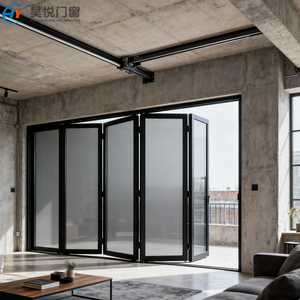
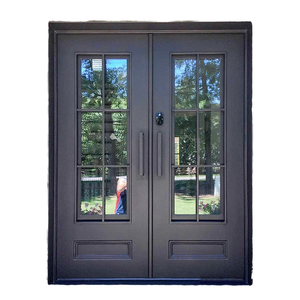
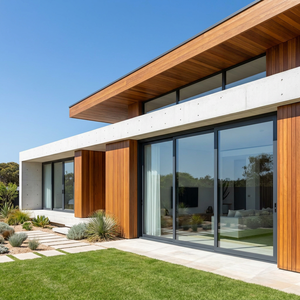
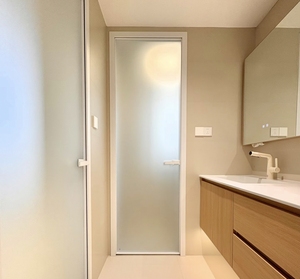
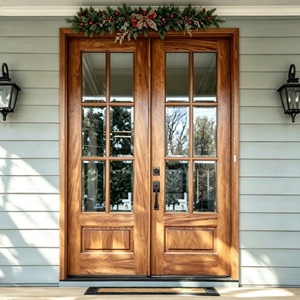
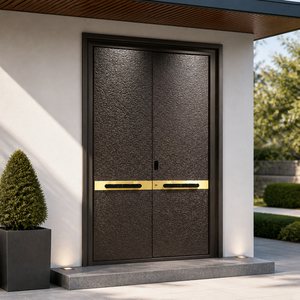
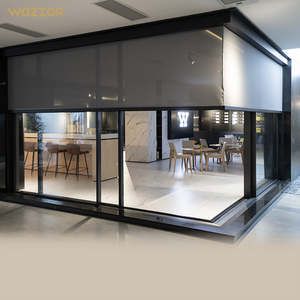
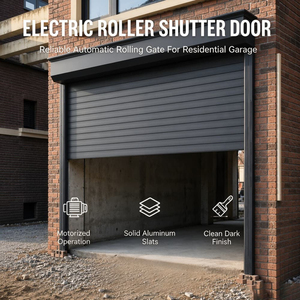
Emerging Trends Shaping Global Fenestration Procurement
International project managers and facade consultants are adjusting technical schedules to satisfy tighter energy regulations, sustainable lifecycle assessments, and climate-induced extreme weather loads.
Thermally Broken Multi-Chamber Profiles
Global energy building codes (such as ASHRAE 90.1, Title 24, and Eurocode EN 10077) require window assemblies with overall U-factors lower than 1.4 W/m²K. The future of aluminium brown windows relies on multi-cavity polyamide (PA66 GF25) thermal insulation strips, warm-edge spacers, and argon gas infusion, mitigating condensation and drastically reducing HVAC energy expenditure.
Advanced Fluorocarbon (PVDF) & Anodizing
Conventional brown paint finishes degrade rapidly under intense UV exposure and maritime salt-spray. Procurement specifications are transitioning exclusively toward AAMA 2605-compliant 3-coat/2-bake fluorocarbon coatings and 25-micron anodic oxidization finishes, ensuring gloss retention, chromatic stability, and galvanic corrosion resistance over a guaranteed 25-year service life.
Structural Wind Load & Cyclonic Resilience
Coastal and high-rise developments across Asia, Oceania, and the Americas demand stringent wind-load deflection ratings. AS 2047 N6 and ASTM E330 testing have become standard contractual requisites, necessitating heavy-gauge 6063-T6 virgin aluminium alloys and engineered continuous EPDM vulcanized gaskets to combat extreme cyclical wind gusts and driven-rain infiltration.
Guangdong Dejiyoupin: Setting Global Benchmarks from Foshan
As one of China's Top 10 fenestration enterprises, Guangdong Dejiyoupin Doors and Windows Co., Ltd. (DERCHI) operates a sprawling 180,000㎡ intelligent production base in Shishan Town, Nanhai District, Foshan. With more than a quarter-century of technical experience, DERCHI integrates profile extrusion, thermal assembly, precision CNC machining, and automated double-glazing lines.
We engineer bespoke facade systems that navigate strict international building inspections seamlessly. Whether outfitting expansive resort complexes, high-rise condominiums, or private estates, our direct factory-to-site pipeline eliminates supply-chain bottlenecks and excessive contractor markups.
AS2047 N6 & CE Testing
Third-party verified structural air, water, and cyclic pressure certifications.
Bespoke Shop Drawings
Complimentary CAD & BIM structural detailing tailored to door schedules.
One-Stop Sourcing
Unify brown windows, entry gates, pivot doors, and rolling shutters under one roof.
Port Logistics Proximity
Fast dispatch via South China container ports with reinforced crate packaging.

Frequently Asked Questions for Commercial Buyers & Importers
Clear, engineering-driven specifications addressing thermal efficiency, weathering durability, and international freight protocols.
Why specify aluminium brown windows over standard mill or white finishes?
Architectural brown, bronze, and umber finishes offer substantial aesthetic depth, harmonizing with natural stone, wood cladding, and earth-toned facades. Technically, DERCHI's proprietary electrostatic fluorocarbon and anodic bronze coatings exhibit superior resistance to atmospheric smog, particulate staining, and photochemical fading compared to standard organic coatings.
How does DERCHI prevent thermal bridging in high-temperature or freezing zones?
We utilize precision PA66 GF25 (25% glass fiber reinforced polyamide) thermal break barriers that mechanically separate the exterior and interior aluminium profile sections. Combined with double or triple insulated glass units (IGU) featuring low-emissivity coatings and warm-edge composite spacers, our systems eliminate thermal conduction and maintain interior climate stability.
What quality assurances exist for coastal high-salt atmospheric conditions?
Our aluminium profiles are extruded strictly from high-purity 6063-T5/T6 primary billet. Surface treatments undergo standardized neutral salt spray (NSS) testing exceeding 1,000 hours without blistering or under-film corrosion, backed by 304 or 316-grade stainless steel hardware components that resist pitting in marine atmospheres.
How are custom window and door schedules coordinated before fabrication?
Upon reviewing your architectural floor plans and elevation schedules, our dedicated bilingual facade engineering department prepares comprehensive 2D CAD shop drawings, glass wind-load calculations, and profile cross-section submittals. Production only begins once your design team approves structural anchoring, sill drainage details, and hardware layouts.