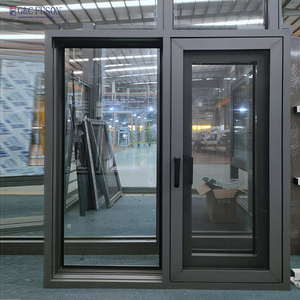
Fuson Thermal Break Aluminum Casement Windows
Double/triple glazed French and casement window assemblies built with polyamide PA66 thermal barriers for ultra-low U-values and passive house insulation standards.
Precision-milled structural profiles paired with multi-cavity thermal barriers, acoustic glazing, and multi-point European security hardware.
Double/triple glazed French and casement window assemblies built with polyamide PA66 thermal barriers for ultra-low U-values and passive house insulation standards.
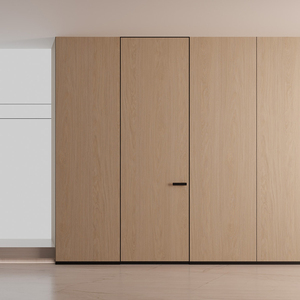
Factory-customized hidden aluminum frame flush doors equipped with German hydraulic self-closing hinges, creating continuous interior architectural planes.
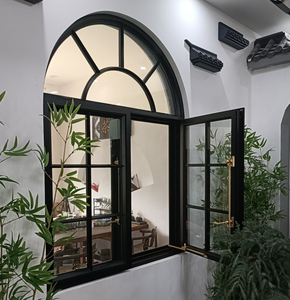
Fluorocarbon PVDF-coated marine alloy exterior windows engineered for extreme coastal humidity, saline air resistance, and typhoon-grade impact tolerance.
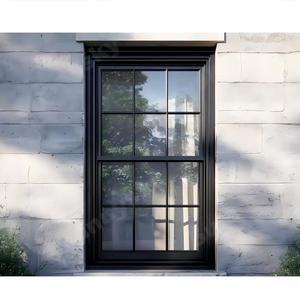
Residential vertical sliding sash configurations with constant-force balance spring mechanisms and NFRC-compliant thermal envelope performance.
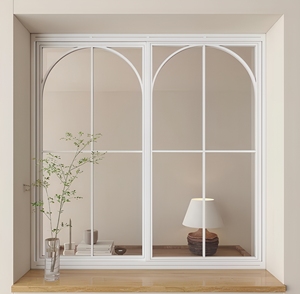
Architectural geometric grid profiles featuring internal muntin bars and multi-chamber aluminum framing designed for luxury residential and hospitality projects.
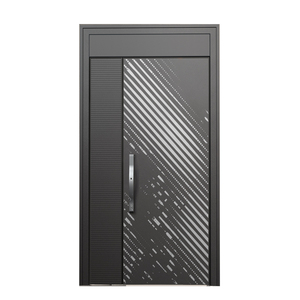
Heavy-gauge aluminum structural doors integrated with multi-point anti-pry deadbolts, thermal break sub-frames, and bespoke cast aluminum surface relief paneling.
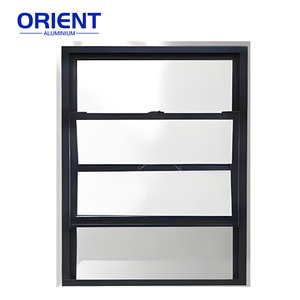
High-airtightness side-hung and outward-projecting casement window units utilizing continuous EPDM co-extruded gaskets and multi-point perimeter compression locking.
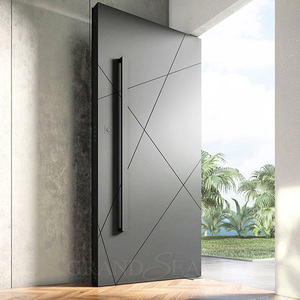
Oversized pivot entrance assemblies engineered to support door leaf weights exceeding 500kg, engineered with concealed floor pivots and seamless smart locking access.
A comprehensive procurement guide covering acoustic engineering, structural integrity, and multi-cavity thermal break technologies.
Modern architectural fenestration has evolved beyond simple spatial enclosure. Contemporary building envelopes require casement window systems capable of delivering rigorous acoustic isolation, ultra-low thermal transmittance, and structural resistance against cyclonic wind loads. As a premier China aluminum casement windows manufacturer, our production paradigms integrate 6063-T5 and 6063-T6 virgin architectural aluminum alloys, ensuring maximum tensile strength without structural deflection under sustained wind pressures exceeding 4500 Pa (AS 2047 N6 rating).
The transition from non-thermal profiles to multi-cavity thermal break systems utilizes polyamide PA66 nylon reinforcement strips containing 25% glass fiber. This engineering barrier stops interior-to-exterior conductive thermal bridging, lowering U-values below 1.6 W/m²·K when paired with double-glazed low-emissivity (Low-E) or argon gas-filled triple-glazed insulating glass units (IGU). Multi-chamber frame configurations further deaden ambient low-frequency sound waves, generating a Sound Transmission Class (STC) rating up to 42 dB—a critical specification for urban developments and high-density hospitality infrastructure.
Global architectural procurement trends indicate a shift toward holistic envelope procurement. Commercial developers, building contractors, and discerning residential architects no longer procure fenestration in isolated packages. Instead, procurement directors are selecting integrated manufacturing facilities capable of delivering customized aluminum casement windows, high-load pivot doors, frameless concealed systems, and matching entrance structures from a single fabrication ecosystem.
Key procurement directives currently dominating international trade include:
| Performance Metrics | DERCHI High-Performance Casement | Standard Commercial Windows | Testing Method / Standard |
|---|---|---|---|
| Structural Wind Load | Serviceability: 3000 Pa / Ultimate: 4500+ Pa | 1200 - 1800 Pa | AS 2047 / ASTM E330 |
| Water Penetration Resistance | Static 700 Pa (No leakage observed) | 150 - 300 Pa | EN 12208 / AS 2047 |
| Thermal Transmittance (U-Value) | 1.1 – 1.6 W/m²·K (System dependent) | 2.8 – 3.8 W/m²·K | ISO 10077-1 / NFRC 100 |
| Acoustic Attenuation (STC/Rw) | Rw = 38 - 43 dB (Triple/Laminated IGU) | Rw = 26 - 30 dB | ISO 140-3 / ASTM E90 |
| Hardware Cycle Life | 100,000+ Cycles (European Hardware) | 20,000 Cycles | EN 13126-8 |
Recognized among the Top 10 premium window and door manufacturers in China, backing global architecture with 180,000㎡ of modern manufacturing prowess.
Located in Shishan Town, Foshan, our sprawling facility hosts fully automated CNC double-head cutting lines, automatic glass assembly cleanrooms, and robotic corner-crimping technologies to ensure 0.1mm engineering precision.
Every window unit is fabricated to pass stringent international building codes, verified by CE, ISO 9001, Australian AS 2047, and UL fire-rated certifications. Our products support rapid local project compliance approvals.
Our dedicated engineering department provides free, complete CAD shop drawings, custom structural calculations, and 3D modeling matched to your opening dimensions, hardware schedule, and wind load demands before fabrication.
Operating in the GMT+8 time zone, our multilingual technical sales engineers coordinate seamlessly with procurement teams across Southeast Asia, Australia, and the Middle East, guaranteeing technical inquiries are addressed within 24 hours.
Windows and doors are packed with multi-layered protective film, high-density edge foam, and fumigated solid timber crates or steel racks, ensuring zero transit breakage from South China export ports to global construction sites.
Eliminate procurement fragmentation. Source aluminum casement windows, luxury pivot doors, slim-profile sliding walls, security entrance gates, and garage doors from a single audited manufacturer with centralized quality control.
Anticipating structural, operational, and regulatory shifts across commercial and luxury residential sectors.
The convergence of building automation and window architecture represents the clearest development trajectory for aluminum casement windows. Next-generation casements increasingly integrate concealed electric chain actuators and concealed perimeter lock actuators directly into the thermal cavity. These mechanisms link with central HVAC systems and ambient indoor air-quality monitors, automatically adjusting sash openings for passive natural ventilation when outside temperatures and air quality indexes align with programmed parameters.
With international certifications like LEED v4.1, BREEAM, and Green Star imposing rigorous limits on embodied carbon, window manufacturers are restructuring raw material supply chains. Future procurement mandates specify aluminum extrusions smelted using renewable hydro-electric energy and high ratios of post-consumer recycled aluminum scrap (lowering the carbon footprint from 16 kg CO2/kg aluminum down to under 4 kg CO2/kg). Paired with recyclable PA66 thermal barriers, aluminum casement windows present an optimal life-cycle assessment (LCA) compared with PVC or composite frames.
Security expectations in luxury residences and commercial projects have shifted from passive resistance to high-integrity structural deterrence. Modern casement units utilize concealed stainless-steel 304 or 316 hinges rated for heavy glass dead-loads, paired with perimeter mushroom-head locking cams that interlock firmly into steel strike plates embedded deep within the aluminum outer jamb. This continuous multi-point compression serves a dual role: eliminating draft leakage under negative wind pressure while achieving Grade 3 and Grade 4 anti-burglary standards (EN 1627).
Direct technical answers addressing structural certification, material resilience, shipping, and customization.