Engineered White Aluminum Window Collections
Precision-milled architectural fenestration, custom fluorocarbon/powder-coated finishes, and thermal break engineering for commercial and luxury residential structures.
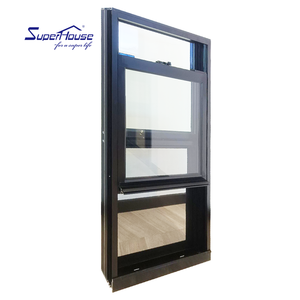
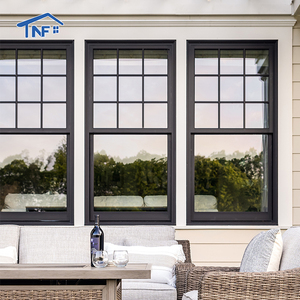
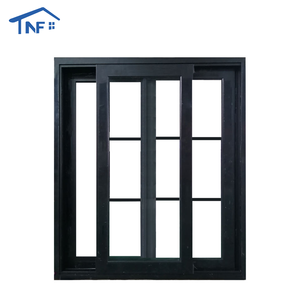
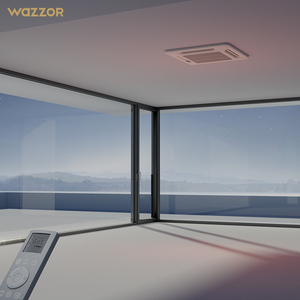
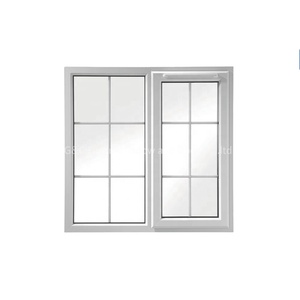
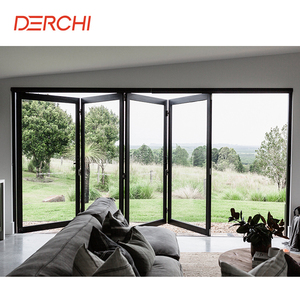
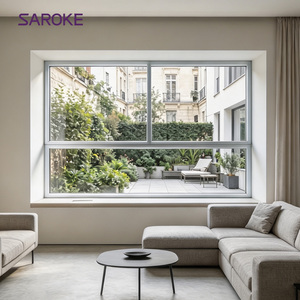
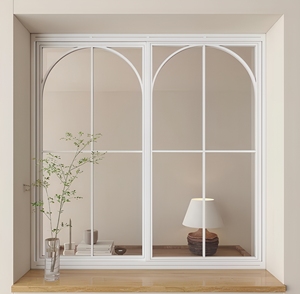
Engineering White Aluminum Fenestration: Strategic Product Selection
A comprehensive technical matrix evaluating primary architectural applications, load capacities, thermal resistance, and acoustic attenuation.
Sourcing premium-grade architectural fenestration requires deep comprehension of alloy chemistry, thermal barrier mechanics, and surface finish molecular stabilization. White aluminum window systems—predominantly specified via RAL 9010 (Pure White) and RAL 9016 (Traffic White)—command rigorous industrial quality standards. When procuring from Chinese manufacturing ecosystems, specification integrity relies upon high-tensile 6063-T5 or 6063-T6 primary virgin aluminum billets, eliminating mechanical impurities commonly found in non-certified secondary scrap metals.
The integrity of a white powder-coated exterior interface depends drastically upon the curing chemistry. Modern project developers and institutional general contractors must ensure adherence to AAMA 2604 or AAMA 2605 specifications via advanced fluoropolymer resins (PVDF) or super-durable architectural powder coatings. These treatments neutralize chromatic degradation, UV chalking, and gloss erosion in challenging coastal or high-ultraviolet regions across Oceania, North America, Southeast Asia, and the Arabian Peninsula.
| System Typology | Thermal Transmittance (U-Factor) | Design Wind Pressure (Pa) | Acoustic Attenuation (STC) | Ideal Architectural Application |
|---|---|---|---|---|
| Polyamide PA66 Thermal Break Casement | 1.4 – 1.8 W/m²·K (NFRC certified) | Up to 4500 Pa (AS2047 N6 rating) | 38 dB – 44 dB | Coastal High-Rise Condominiums & Zero-Energy Villas |
| Heavy-Duty White Aluminum Sliding Systems | 1.9 – 2.4 W/m²·K | Up to 3200 Pa | 32 dB – 36 dB | Balcony Transitions, Commercial Resorts, Living Rooms |
| Hurricane Impact Architectural Fixed/Hung | 1.5 – 2.1 W/m²·K | Up to 5500 Pa (ASTM E1886/E1996) | 40 dB – 46 dB | Severe Tropical Storm Belts & Secure Institutional Buildings |
| Acoustic Double/Triple Glazed Bi-Fold Systems | 1.6 – 2.2 W/m²·K | Up to 2800 Pa | 35 dB – 40 dB | Hospitality Patios, Hotel Lobbies, Modern Penthouses |
Future Procurement Trends in Global Aluminum Fenestration (2025–2030)
Anticipating structural adjustments across international trade barriers, operational carbon regulations, and supply-chain digital verification.
Embodied Carbon & CBAM Compliance
Global procurement teams face stringent carbon tracking frameworks such as the European Union’s Carbon Border Adjustment Mechanism (CBAM). Sourcing white aluminum windows requires detailed Environmental Product Declarations (EPDs), verified via hydroelectric or green-smelted low-carbon primary aluminum billets.
BIM-Integrated Off-Site Prefabrication
Modern developers require precise Building Information Modeling (BIM) files with standardized parametric values. Procurement workflows demand CAD shop drawings and pre-glazed modular window units, dramatically mitigating on-site installation labor costs across urban development zones.
Direct Factory-To-Jobsite Engineering Logistics
Wholesale distribution is transitioning away from standard trading agents. Procurement directors prioritize direct integration with large-scale Foshan manufacturing plants, leveraging customized containerization, moisture-sealed ocean crating, and direct engineering accountability.
Technological Frontiers: Thermal Break, Surface Coatings & Glazing
Crucial technological differentiators separating commercial-grade products from low-tier domestic fenestration.
Historically, aluminum profiles were criticized for excessive thermal conductivity. Today, the engineering baseline for global white aluminum windows centers on Polyamide (PA66 GF25) thermal insulation strips reinforced with 25% fiberglass. These multidimensional thermal breaks disrupt conductive energy loss, stabilizing inner surface temperatures to prevent winter condensation and summer thermal gain.
In contemporary architectural design, aesthetics lean toward minimalist sightlines with wide unobstructed expanses. This demands structural profile walls of 1.4mm to 2.0mm thickness, engineered with multi-chamber cavities that accommodate laminated double or triple insulated glass units (IGU). Utilizing warm-edge spacer technology filled with 90% Argon gas, alongside Low-Emissivity (Low-E) coatings, reduces overall window system U-factors below 1.4 W/m²·K.
Simultaneously, surface finish technology has transitioned toward multi-layer electrostatic fluorocarbon spraying. The distinctive chalky degradation common in older white installations has been eradicated. Modern AAMA 2605 compliant finishes maintain uniform 60° specular gloss values and ΔE color variations of less than 5 units after ten continuous years of outdoor South Florida or Australian desert weathering tests.
Why Global Contractors Partner with Our Foshan Manufacturing Base
Operating as a distinguished enterprise in China's high-end window and door sector, our manufacturing facilities merge European automated CNC processing with rigorous internal QA/QC testing parameters.
180,000㎡ Mega Base
Extensive manufacturing footprint based in Foshan, Guangdong, housing specialized profile extrusion, automatic powder coating lines, and precision assembly lines.
600+ Skilled Specialists
Over six hundred technical engineers, certified structural draughtsmen, QA/QC inspectors, and experienced fenestration assemblers ensuring zero-defect output.
100+ Patents & Global Standards
Internationally audited and certified to CE, ISO 9001, AS 2047 N6, and UL specifications, guaranteeing seamless building code approval across overseas jurisdictions.
GMT+8 Agile Support
Dedicated technical project managers providing shop drawings, wind load calculations, and real-time status visibility optimized for overseas construction schedules.
Frequently Asked Questions: Global Window Procurement & Verification
Critical inquiries addressed by senior fenestration facade engineers for commercial importers and project directors.
How do you prevent white powder-coated finishes from yellowing or chalking?
We strictly utilize certified AkzoNobel or PPG architectural powder coatings complying with AAMA 2604/2605 standards. In-house chemical pre-treatment stages utilize non-chromate conversion coatings that optimize coating adhesion and corrosion resistance against saline coastal moisture and prolonged UV exposure.
Can your window assemblies pass North American NFRC and Australian AS2047 codes?
Yes. Our window configurations undergo accredited third-party physical testing for water penetration resistance, air infiltration limits, structural ultimate load capacity (AS2047 N6 rating up to 4500Pa), and NFRC thermal simulation testing (U-Factor, SHGC, and Visible Transmittance).
What engineering specifications are recommended for typhoon-prone zones?
For hurricane and typhoon zones (such as Florida, the Caribbean, the Philippines, and coastal Southeast Asia), we specify 6063-T6 heavy-duty profiles combined with SentryGlas (SGP) or high-tensile PVB laminated impact glass, complemented by multipoint stainless steel 304/316 locking hardware systems.
What is your typical lead time for custom architectural project schedules?
Standard custom architectural orders require approximately 25 to 35 business days from full CAD shop drawing approval and color match confirmation. Critical mock-up samples can be expedited within 10 to 14 days to support developer site offices and architectural sign-offs.
Ready to Engineer Your Next Architectural Project?
Submit your door and window schedule, architectural elevations, or structural requirements directly to our Foshan engineering center for accurate manufacturing quotes and complimentary CAD shop drawings.
Get a Quote