Featured Architectural Aluminum Door & Window Systems
Explore our precision-crafted portfolio engineered for high wind loads, thermal insulation, and bespoke architectural specifications across high-end villas and commercial spaces.
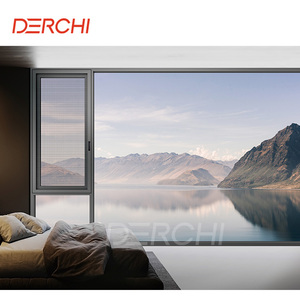 Impact Rated
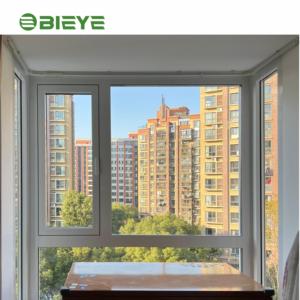 Soundproof 42dB
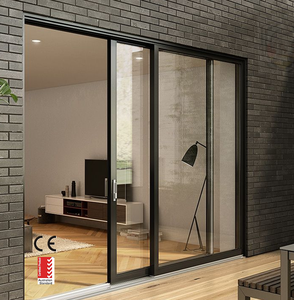 Heavy-Duty Sliding
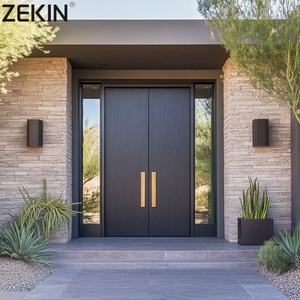 Luxury Entry System
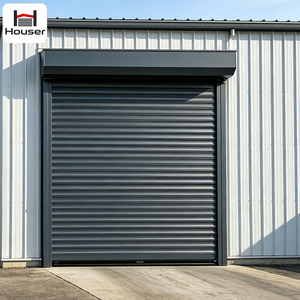 Weatherproof Auto
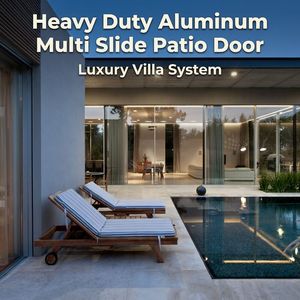 Minimalist Sightline
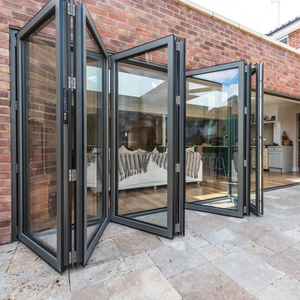 Bi-Fold Engineering
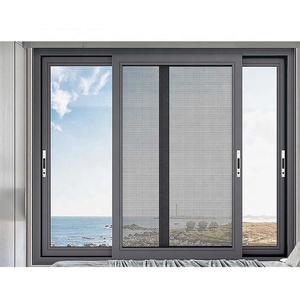
Technical Specification Guide: Custom OEM Aluminum Frosted Glass Doors
Modern architectural fenestration increasingly prioritizes balanced daylight transmission alongside acoustic isolation and optical privacy. For specifiers, facade consultants, and general contractors, procuring custom OEM aluminum frosted glass doors requires a deep understanding of metallurgy, glass processing techniques, sealing mechanics, and thermal efficiency. As international building codes move toward stringent decarbonization criteria, selecting the correct frosted glazing modality and structural alloy grade dictates project durability, occupant comfort, and long-term asset value.
1. Structural Alloy Metallurgy: 6063-T5 vs. 6063-T6 Architectural Extrusions
The structural core of any premium commercial frosted door begins with the extrusion alloy. We utilize virgin-billet 6063-T5 and 6063-T6 aluminum alloys, boasting minimum wall thicknesses ranging from 2.0mm to 3.5mm for heavy-duty commercial pivot systems and French casements. The 6063-T6 temper undergoes precipitation heat treatment, yielding a tensile strength exceeding 205 MPa and yield strength beyond 170 MPa, preventing deflection under severe wind loads and heavy daily cycles in luxury hospitality applications.
Acid-Etched Translucency
Chemically treated with hydrofluoric acid to produce a satiny, micro-pitted surface that permanently diffuses glare while completely resisting fingerprint oils and moisture degradation in luxury bathrooms.
Ceramic Frit Tempering
Inorganic mineral ceramic enamels thermally fused at 680°C into the glass substrate, yielding high scratch resistance and custom architectural gradients suitable for external commercial storefronts.
PDLC Switchable Smart Glass
Liquid crystal polymer interlayers that switch instantaneously from optical milk-white privacy to 84% transparency upon 48V AC excitation, seamlessly integrating with automated Building Management Systems.
2. Acoustic Insulation & Polyamide Thermal Barrier Engineering
Standard monolithic frosted glass panes often exhibit acoustic resonance failure in the critical 1000 Hz to 3150 Hz speech frequency band. Our OEM manufacturing process utilizes insulated glass units (IGU) incorporating sound-damping PVB (Polyvinyl Butyral) laminated interlayers (e.g., 5mm Acid Etched + 0.76mm Acoustic PVB + 5mm Clear Tempered + 12A Argon + 5mm Low-E), achieving Sound Transmission Class (STC) ratings up to 43 dB and Weighted Sound Reduction Index (Rw) up to 45 dB.
Furthermore, exterior frosted doors feature continuous polyamide PA66GF25 thermal barrier strips reinforced with 25% glass fiber. This breaks the conductive thermal bridge across the interior and exterior aluminum profiles, driving U-values down to ≤ 1.6 W/(m²·K), compliant with Energy Star and European EN ISO 10077-1 standards for green architectural certifications.
| Glazing & Profile Configuration | Visible Light Transmittance (VLT) | Acoustic Rating (STC / Rw) | Thermal Transmittance (U-Value) | Recommended Architectural Use |
|---|---|---|---|---|
| Monolithic 10mm Acid-Etched Tempered | 72% – 78% | 32 dB | 5.7 W/(m²·K) | Interior Executive Partitions, Ensuite Restrooms |
| Double Tempered Frosted IGU (5+12A+5) | 64% – 70% | 38 dB | 2.2 W/(m²·K) | Balcony Dividers, Residential Patio Entrances |
| Thermal Break + Acoustic PVB (6+0.76PVB+6+14Ar+6) | 55% – 62% | 43 dB | 1.4 W/(m²·K) | Five-Star Hotel Guestrooms, Coastal Villas |
| Smart Switchable PDLC Triple Glazed Unit | 76% Clear / 4% Haze | 45 dB | 1.2 W/(m²·K) | Medical Facilities, VIP Boardrooms, High-Security Suites |
Future Sourcing Trends for Aluminum Frosted Glass Systems
Procurement directors and overseas real estate developers operate in a market reshaped by carbon neutral mandates, circular economy demands, and sophisticated interior wellness parameters. Below are the key strategic procurement shifts anticipated through 2030:
1. Ultra-Narrow Sightline Minimalism
- Flush-Mount Concealed Hinges: Shift towards invisible pivot hardware and recessed top closers supporting sash weights up to 450 kg without profile sagging.
- Minimalist Face Widths: Demand for outer sightlines under 35mm, maximizing frosted daylight wash while utilizing internal carbon-steel reinforcement fins.
- Integrated LED Backlit Jambs: Custom extrusions accommodating perimeter LED channels for ambient glow effects through satin frosted borders.
2. Climate-Resilient Surface Finishing
- Fluorocarbon (PVDF) Coatings: Strict procurement of 3-coat 70% Kynar 500 / Hylar 5000 resins providing 30-year resistance against chalking and acid rain in tropical Asia.
- Qualicoat Class 2 & Class 3: Powder formulations resisting hyper-intense UV degradation in desert and equatorial regions without color shift (ΔE < 1.5).
- Seaside Marine Anodizing: 25-micron anodic oxide layers meeting ASTM B117 salt spray testing beyond 3,000 hours without pitting corrosion.
3. Smart Integration & Biometric Security
- Concealed Power Transfer Hinge: Factory-milled pathways for hidden 12V/24V conductors without exposed wire loops, ensuring continuous PDLC power supply.
- Multipoint Motorized Locking: High-torque motorized European cylinder locks with biometric fingerprint readers flush-mounted directly into the frosted stile.
- IoT Sensor Calibration: Micro-sensors embedded inside the thermal break cavity monitoring humidity, seal integrity, and unauthorized forced entry.
Design Trends: Fluid Privacy in Hospitality & Workspace Architecture
Modern luxury developments in Manila, Singapore, Dubai, and Sydney have phased out traditional timber privacy doors in humid interior envelopes. Timber substrates warp, expand, and harvest microbial mold in 80%+ relative humidity environments. In contrast, powder-coated aluminum combined with acid-etched or fluted Moru frosted glass offers zero water absorption, absolute structural dimensional stability, and complete rot resistance.
Architects are heavily deploying gradient acid etching—where the glass panel transitions smoothly from completely opaque at eye level to semi-translucent at floor level—delivering visual lightness while preserving user privacy.

Guangdong Dejiyoupin (DERCHI): Foshan’s Heavyweight Industrial Base
Headquartered in Foshan, Guangdong—the world’s foremost epicentre of aluminum fenestration engineering—Guangdong Dejiyoupin Doors and Windows Co., Ltd. (DERCHI) operates as a Tier-1 integrated manufacturer. Recognized among China’s Top 10 fenestration enterprises, our infrastructure is built to support multi-container international tenders, custom OEM designs, and bespoke architectural private commissions with uncompromising precision.
180,000㎡ Mega Production Base
Massive automated profile cutting, CNC 5-axis robotic milling, thermal break crimping, and high-precision corner assembly lines delivering superior batch-to-batch repeatability and capacity.
AS 2047 N6 & International Standards
Exhaustively tested for cyclical wind pressure, water penetration (>600 Pa), and air infiltration, with certifications including Australian AS 2047 N6, ISO 9001, European CE, and UL fire ratings.
In-House CAD/BIM Shop Drawings
Our dedicated structural engineering department converts your architectural elevations and opening schedules into production-ready 2D CAD shop drawings and 3D BIM models before extrusion cutting.

Full-Chain Quality Verification Protocol
Every custom OEM aluminum frosted glass door leaving our Foshan logistics hub undergoes a comprehensive 4-stage inspection routine:
- Raw Material Chemical Verification: Spectrometric testing of 6063 aluminum billets and hydrostatic testing of EPDM continuous gasket seals.
- Glass Translucency & Defect Audit: Laser haze meters verify consistent optical obscurity across the frosted pane without pinholes or chemical banding.
- Pre-Shipment Trial Assembly: 100% full-frame mock-up assembly checking diagonal tolerance within ±1.0mm, hinge smoothness, and lock cylinder alignment.
- Sea-Freight Export Crating: Fumigated solid-plywood boxed crates lined with anti-static EPE foam and desiccant packs protecting against marine moisture corrosion.
Frequently Asked Questions for Project Specifiers & Importers
Authoritative answers addressing technical compliance, hardware engineering, glass maintenance, and international freight logistics.
What is the difference between acid-etched glass and sandblasted glass in high-traffic commercial doors?
How does your factory ensure profile alignment and water tightness under typhoon conditions?
Can DERCHI accommodate heavy oversized pivot doors with full frosted glass slabs?
What hardware brands and custom handle configurations can you OEM integrate?
What export packaging is used to prevent frosted glass scratching and extrusion impact during container transit?
What is your lead time for bespoke project orders and prototype shop drawing sign-offs?
Engage Foshan’s Premier OEM Fenestration Factory
Partner with an enterprise operating a 180,000㎡ manufacturing base with 25+ years of international fenestration engineering expertise. Send us your door schedules, architectural elevations, or custom extrusion requirements to receive free CAD shop drawings and direct factory quotations.