Featured Aluminum Glazed Door & Fenestration Solutions
Explore our certified range of precision-manufactured fenestration profiles, engineered to meet international building codes, typhoon resistance demands, and stringent low-energy acoustic metrics.
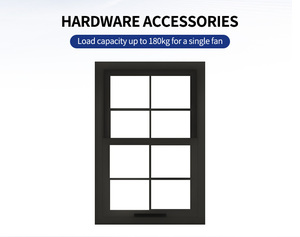
PRETTY HOUSE Modern Thermal Break Heat Insulation Insert Control Double Glazed Single Hung Window for House Apartment Villa
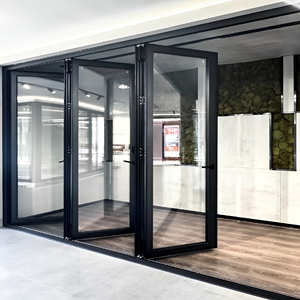
Exterior Thermal Break Aluminium Bi-fold Doors Double Tempered Glass Balcony Patio Accordion Doors
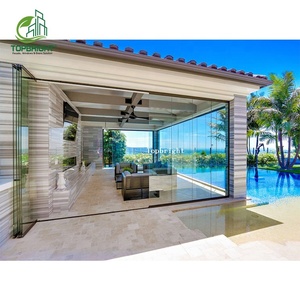
Exterior Veranda Sliding Bifold Doors Glazed Frameless Tempered Folding Glass Door
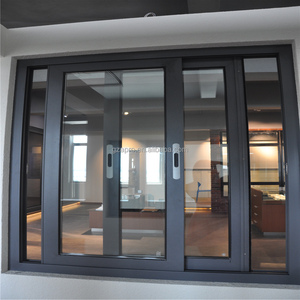
Hurricane Impact Aluminum Slide Energy Efficient Sliding windows Double Glass Aluminum Sliding Window
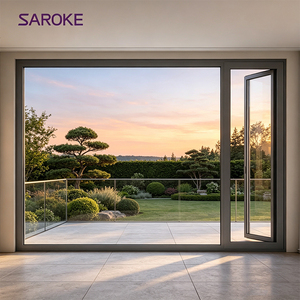
Durable Design Aluminum Frame Insect Security Mosquito Net Casement Screen Door
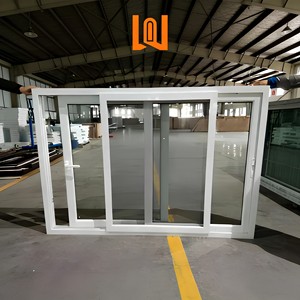
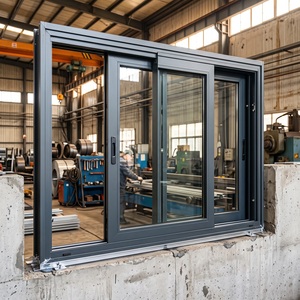
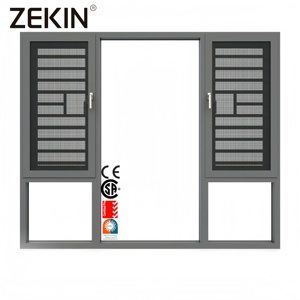
ZEKIN Modern Aluminum Alloy Casement Windows Multi Locking Burglar-Proof Tempered Louver CE Certified Magnetic Screen Energy
180,000㎡
Extrusion & Glazing Park
25+
Years Engineering Pedigree
100+
Global Patents & Certs
600+
Skilled Technicians
Future Sourcing & Procurement Trends in Architectural Glazing
As international sustainability mandates tighten and commercial developments require higher life-cycle returns, OEM procurement protocols for aluminum glazed door assemblies are undergoing fundamental technological pivots.
Polyamide Thermal Barrier Integration
Traditional non-broken extrusion assemblies are rapidly being decommissioned by global civil contractors. Next-generation procurement heavily weights PA66 GF25 (25% glass fiber reinforced polyamide) thermal break strips that eliminate structural thermal conductivity bridges, radically optimizing overall window-wall U-values.
Ultra-Clear Warm Edge Spacer Technology
B2B importers increasingly mandate stainless steel or composite warm-edge spacer solutions over conventional aluminum box spacers. Integrated with dual-pane argon gas insulation, these assemblies prevent edge condensation, decrease perimeter thermal conductivity by up to 65%, and boost edge-of-glass thermal integrity.
Fluorocarbon PVDF Architectural Coatings
In high-salinity coastal areas across Southeast Asia, Australasia, and the Middle East, standard powder coating is yielding to triple-coat AAMA 2605-compliant PVDF (polyvinylidene fluoride) and anodized marine-grade finishes, engineered to resist UV oxidation, chemical atmospheric corrosion, and heavy salt-fog degradation.
Architectural Performance Metric Comparison
Consult the standardized matrix below to assess performance configurations across contemporary aluminum glazed framing systems.
| Glazing System Typology | Thermal Transmittance (U-Value) | Acoustic Attenuation (Rw / STC) | Air Infiltration (ASTM E283) | Structural Wind Load (AS 2047) |
|---|---|---|---|---|
| Thermal Break Bi-Fold Glazed Door | 1.6 – 2.0 W/m²·K | 36 – 40 dB | < 0.1 m³/(h·m) | Up to N6 / 4500 Pa Design |
| Impact Heavy-Duty Sliding Door | 1.8 – 2.2 W/m²·K | 38 – 42 dB | < 0.08 m³/(h·m) | Hurricane Rating / Florida TAS Compliant |
| Frameless Architectural Folding System | 2.8 – 3.2 W/m²·K | 28 – 32 dB | Standard Veranda Seal | 2000 Pa Deflection Limit |
| Slimline Pivot Glazed Entry System | 1.4 – 1.8 W/m²·K | 35 – 39 dB | < 0.1 m³/(h·m) | Commercial Level 3 Rating |
The Evolution of Commercial Glazed Openings
Modern architectural blueprints demand structural invisibility and maximal envelope efficiency. The market is shifting from rigid, heavy-profile framing toward structurally glazed systems where tempered, laminated panes act as integral load-sharing structural membranes.
Oversized Pivot & Concealed Hardware
Commercial lobby portals and modern villa facades are moving toward floor-to-ceiling single-leaf pivot doors exceeding 4 meters in height. Integrated heavy-duty hydraulic pivot boxes, concealed multi-point locking pins, and magnetic threshold drops deliver flawless minimalism without sacrificing acoustic perimeter hermeticity.
Photovoltaic & Smart Electrochromic Glass
Integration of switchable PDLC privacy smart films and low-emissivity magnetron sputtering coatings allows instantaneous shading transitions. Building Management Systems (BMS) dynamically interface with glazed entranceways to stabilize HVAC cooling loads across expansive glazed facade interfaces.
Severe Cyclone & Blast Mitigation Profiles
Due to severe climate volatility across global coastal zones, fenestration profiles require internal steel reinforcement and multi-layer SentryGlas (SGP) ionoplast interlayers. Glazed door assemblies must absorb high-velocity debris impact without catastrophic structural seal rupture.
Why Global Developers & OEMs Partner With Us
Guangdong Dejiyoupin Doors and Windows Co., Ltd. (DERCHI) combines end-to-end industrial manufacturing capability with rigorous international testing certifications to deliver unmatched value to commercial contractors and distributors.
180,000㎡ Production Footprint
Direct supply capability straight from our industrial complex in Foshan, China. Equipped with computerized CNC extrusion lines, automatic insulated glass sealing lines, and precision corner crimping machines.
Multi-Standard Certified
All fenestration systems undergo strict third-party mechanical stress tests, holding global certifications including CE, ISO 9001, Australian AS 2047, and UL fire-rated credentials to ensure smooth project approval.
Free CAD & BIM Engineering
Our dedicated engineering department prepares comprehensive CAD shop drawings, structural wind load calculation sheets, and customized fabrication schedules prior to batch production, eliminating on-site installation errors.
Export-Grade Port Proximity
Located in the heart of the Pearl River Delta industrial corridor, our logistics division ensures multi-tier seaworthy wooden crating, specialized moisture-sealed packaging, and rapid container dispatch to key Asian and global trade lanes.
Frequently Asked Questions (FAQ)
Critical considerations for engineering consultants, overseas contractors, and fenestration importers.
1. What are the key performance differences between standard aluminum and thermal break glazed profiles?
Standard aluminum is a natural thermal conductor, allowing interior energy loss and moisture condensation along framing surfaces. Thermal break profiles introduce an extruded structural polyamide (PA66 GF25) barrier between internal and external extrusion chambers. This structural insulation dramatically cuts heat exchange, drops U-values by 40-60%, and complies with modern green building standards.
2. How does the AS 2047 N6 standard apply to coastal and typhoon-prone zones?
The AS 2047 standard designates structural deflection, air leakage, and water penetration resistances. Achieving an N6 structural classification verifies that the glazed profile resists ultimate limit state wind loads up to 4500 Pascals, ensuring structural glass stability and continuous water impermeability during extreme typhoon force events.
3. Can DERCHI manufacture bespoke glass assemblies (e.g., Low-E, SGP Laminated, Acoustic)?
Yes. Our fully automated glazing lines configure custom IGUs (Insulated Glass Units), including triple-glazed cavities, argon gas fills, acoustic PVB laminates, toughened safety panes, and SentryGlas (SGP) hurricane interlayers. Low-E coatings can be tailored for high solar heat gain coefficients (SHGC) or low Solar Gain cooling priorities.
4. What documentation is supplied during the OEM custom engineering workflow?
Upon review of project architectural elevations and window schedules, our design engineers supply detailed 1:1 cross-section CAD details, glass deflection calculations, thermal stress analysis, anchorage structural notes, and hardware configuration matrices for sign-off prior to CNC milling.
5. What surface treatments ensure durability in coastal, high-salinity marine environments?
For installations within 5 kilometers of coastlines, we specify fluorocarbon PVDF finishes (conforming to AAMA 2605 specs) or minimum 25-micron architectural-grade anodization. These surface protective barriers resist saline degradation, chalking, color fading, and chemical atmospheric pollutants far longer than standard powder coatings.
6. How do you prevent panel sagging on oversized multi-slide and bi-fold glazed doors?
Our heavy-duty sliding and bifold systems utilize bottom-running, hardened stainless steel tracks combined with quad-wheel sealed bearing roller carriages rated up to 400kg per leaf. Extrusion web thicknesses range from 2.0mm to 3.0mm, reinforced by internal corner cast-aluminum alignment brackets to ensure zero frame distortion over decades of duty cycles.