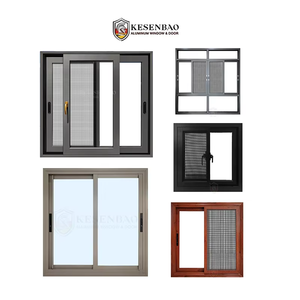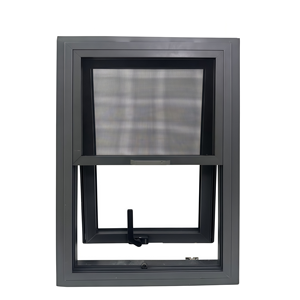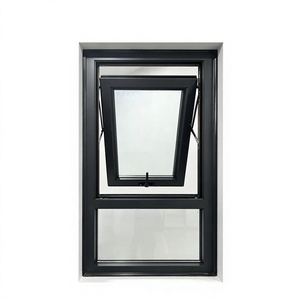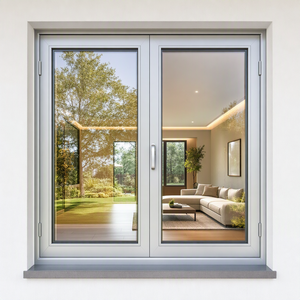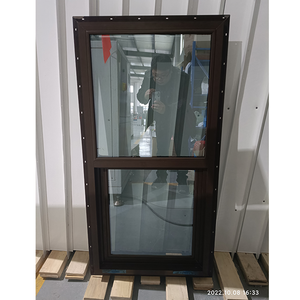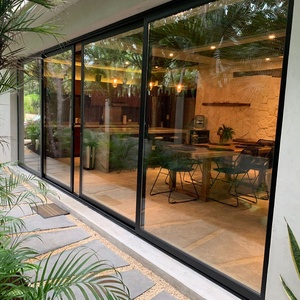
Custom OEM Aluminum Lower Window Manufacturer & Exporters

Engineered Fenestration Architecture: Certified Bottom-Hung, Awning, Louver & Sliding Lower Sash Systems for Global Commercial and Luxury Residential Developments.

Architectural Fenestration Systems

Engineered Aluminum Lower Window Solutions

Direct OEM manufacturing portfolio optimized for sub-sill ventilation, perimeter storm sealing, sound deflection, and heavy wind-load performance.
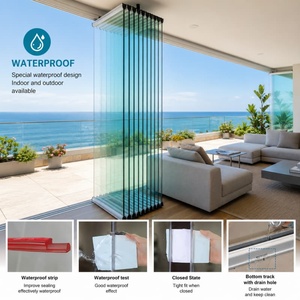
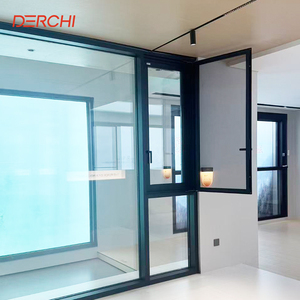
180,000㎡
Manufacturing Facility
25+
Years Engineering Expertise
100+
Patents & Global Certifications
600+
Skilled Craftsmen & Engineers
Technical Engineering Whitepaper

Engineering Architecture of Custom Lower Windows

In modern envelope engineering, lower windows (bottom-hung hopper vents, lower sliding sashes, and floor-level louver arrays) absorb the highest hydrostatic water pressure and differential ground thermals. Here is how our OEM systems achieve structural resilience.

Sub-Sill Drainage Dynamics

Lower window profiles face intense runoff from upper facades. Our multi-chambered extrusion dies integrate pressure-equalized rain-screen chambers with internal cascade weep holes. This aerodynamic bypass channels wind-driven rain outward even under sustained dynamic cyclonic pressures surpassing 700 Pascals.

Micro-Ventilation Aerodynamics

Bottom-hung hoppers draw cooler low-level air while displacing hot ambient strata through convection currents. Fitted with adjustable stainless steel multi-stop arms, our lower systems deliver safe nocturnal micro-ventilation without compromising structural forced-entry resistance.

Thermal Barrier Integrity

Engineered using 6063-T6 virgin aluminum alloy matrices bridged with glass fiber reinforced PA66 polyamide insulating struts. This thermal disruption prevents interior frame condensation, controls sound resonance to Rw 42dB, and mitigates structural heat transfer in severe continental or tropical zones.

Strategic Procurement Forecast 2026-2030

Emerging Trends in Global Lower Window Sourcing

Evaluating architectural demands, supply-chain ESG criteria, and regulatory shifts transforming commercial and residential lower window specifications.

TREND 01

Ultra-Narrow Sightlines with Concealed Operators

Architects increasingly demand minimal sash profiles (under 35mm visible profile) that align with curtain-wall transoms. Procurement is transitioning rapidly to hidden friction hinges and integrated perimeter chain operators hidden completely within the profile cavity.

TREND 02

BMS-Automated Smoke & Heat Exhaust Systems

Lower fenestration units are key components of natural smoke ventilation protocols (EN 12101-2). OEM manufacturers must deliver calibrated DC 24V linear actuator integration for automated fire-life safety purge controls synced directly with centralized building automation systems.

TREND 03

Hyper-Resistant Marine Coatings

With coastal urbanization across Southeast Asia, North America, and the Middle East, standard powder coatings are being replaced by AAMA 2605 certified 70% PVDF fluorocarbon coatings and 25-micron marine anodizing engineered to resist continuous salt-spray degradation for 30+ years.

TREND 04

NFRC, CE & AS2047 Cross-Verification

International general contractors now bypass non-certified intermediaries, establishing direct OEM ties with verified facilities capable of supplying structural engineering finite element analysis (FEA), acoustic test certifications, and thermal modeling data sheets.

Window System Type Primary Application Wind Load (AS 2047) Acoustic Rating Air/Water Tightness OEM Custom Capability
Bottom-Hung Hopper Window Commercial Office, Basements, Labs N6 (Cyclone Proof) Rw 38 - 42 dB Water > 700 Pa / Air Class 4 Actuators / Custom Stops
Vertical Single/Double Lower Sash American Townhomes, Residential DP 50 - DP 70 Rw 35 - 39 dB AAMA / NFRC Verified Spiral Spring Counterbalance
Combined Folding-Upper / Fixed-Lower Villas, Balcony Enclosures, Patios Heavy Windload Grade Rw 40 dB Continuous EPDM Gasketed Flush Sill Integration
Sub-Frame Louver Lower Window Plant Rooms, Coastal Basements High Static Pressure Sound Deflection Screen Self-Draining Slotted Fins Insect Proof 304 Mesh
Enterprise Authority

Guangdong Dejiyoupin: Precision Fenestration Engineering

Operating from our modern 180,000㎡ industrial park in Foshan, Guangdong, Guangdong Dejiyoupin Doors and Windows Co., Ltd. (DERCHI) stands among China's premier Top 10 door and window manufacturers. Backed by over a quarter-century of engineering refinement, our facility serves architects, facade consultants, and general contractors in over 60 countries.

  • Advanced CNC Profile Fabrication: 5-axis German automated cutting centers ensure sub-millimeter precision across every miter joint and hardware pocket.
  • Multi-Region Code Compliance: Systems tested and verified under CE, ISO 9001, Australian AS 2047 N6, and American NFRC/AAMA protocols.
  • Complete Engineering Integration: Dedicated facade shop-drawing teams provide free CAD detailing, static load calculations, and BIM file modeling within 48 hours.
  • Export Packing Logistics: Steel-framed non-fumigation plywood crates with multi-layer bubble wrap and desiccants ensure zero damage during international sea freight.
Inquire Now
Aerial view of DERCHI 180,000 square meter door and window manufacturing facility
100% Factory Tested
Pre-Shipment Fitting
Procurement Guidance

Frequently Asked Questions by Global Importers

Clear, technical answers to common queries regarding lead times, alloy specifications, engineering compliance, and international shipping.

What aluminum alloy grades and wall thicknesses are utilized in your custom lower windows?
We exclusively process virgin 6063-T5 and structural 6063-T6 aluminum alloys. For commercial lower casements and heavy bottom-hung hopper sashes, profile wall thicknesses range from 1.6mm up to 2.2mm, meeting and exceeding international high-rise structural deflection codes (L/175 or L/240 requirements). Custom reinforced structural mullions are extruded for high-span curtain-wall base transitions.
How does your factory ensure water-tightness on bottom-hung hopper units during heavy storms?
Bottom-hung windows sit in vulnerable moisture zones. Our systems utilize a triple-barrier EPDM gasket sealing philosophy (outer rain screen, middle pressure equalization gasket, and inner continuous compression barrier). Profile corners are corner-cleated, injected with two-component structural German Henkel epoxy, and sealed with vulcanized corner boots to prevent miter leakage under high static and dynamic hydraulic forces.
Can your team accommodate custom finishes, including custom RAL powder coating and woodgrain sublimation?
Yes. We operate fully automated vertical and horizontal powder coating lines utilizing Tiger and AkzoNobel architectural powders conforming to AAMA 2603, 2604, and 2605. In addition to any standard RAL color, we offer Italian heat-transfer woodgrain patterns, high-grade fluorocarbon (PVDF) coating, and 25-micron architectural anodized treatments designed for saline ocean-front installations.
What is the standard OEM prototyping, production lead time, and export documentation process?
Following architectural schedule submission, our engineering team supplies fully annotated CAD shop drawings within 48 to 72 hours. Prototype extrusion or mockup fabrication takes approximately 10 to 14 days. Full container production cycles typically range between 25 and 35 working days depending on hardware customization. All shipments depart from South China ports (Foshan, Guangzhou, or Shenzhen) accompanied by full Mill Test Certificates, CE Declarations, and Bill of Lading documentation.

Kickstart Your Custom Fenestration Specification

Submit your door and window schedule, architectural drawings, or tender specifications. Our technical engineering division will generate comprehensive CAD shop drawings and factory-direct quotation within 24 hours.

Inquire Now