Curated Architectural Fixed Glazing & Performance Windows
Engineered for high structural wind-load tolerance, superior airtightness, and uncompromised panoramic transparency. Built to strict CE, ISO 9001, AS 2047, and NFRC energy standards.
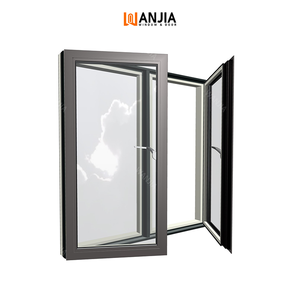 NFRC Certified
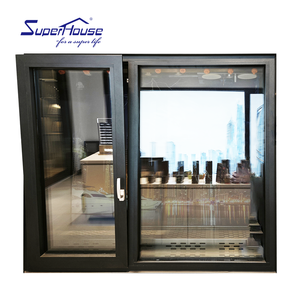 Dual Functionality
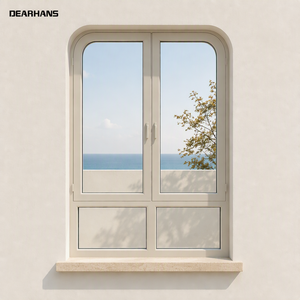 Geometric Form
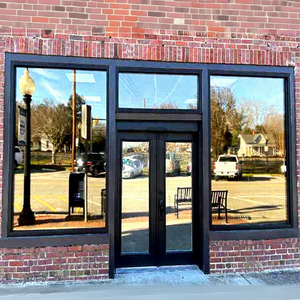 Commercial Grade
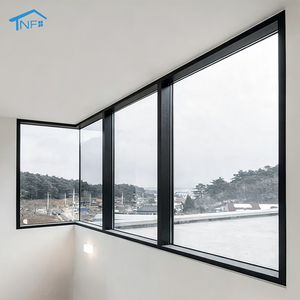 90° Corner View
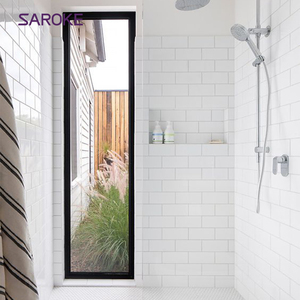 Triple Insulated
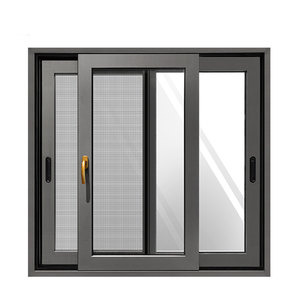 Cyclone Impact
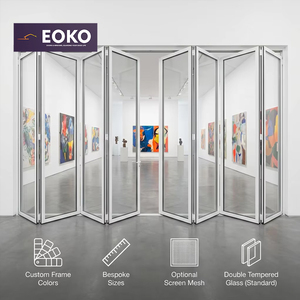
Engineering Benchmark: OEM/ODM Architectural Fixed Windows
Precision-milled 6063-T5 / 6063-T6 virgin architectural aluminum alloy paired with high-performance insulated glazing systems (IGU) to satisfy regional building codes worldwide.
Structural, Thermal, and Acoustic Tolerances
Standard: ASTM / AS 2047 / EN 14351-1 / NFRC| Performance Vector | Architectural Standard | Structural Parameter | Key Operational Benefit |
|---|---|---|---|
| Thermal Conductivity | Polyamide PA66 GF25 Isobaric Struts | U-Value: 0.82 – 1.4 W/(m²·K) | Drastically suppresses HVAC load and prevents interior dew condensation under severe temp deltas. |
| Wind Load Resistance | AS 2047 N6 Rating / ASTM E330 | Design Pressure > 4500 Pa (Serviceable) | Resists structural deflection in Category 5 typhoon corridors, high-rise balconies, and coastal villas. |
| Air / Water Tightness | EPDM Continuous Co-extruded Gaskets | Water Head: 700–900 Pa / Air: Class 4 | Hermetically sealed profile matrix prevents heavy tropical rain seepage and micro-particulate infiltration. |
| Acoustic Attenuation | Asymmetric Acoustic Lami + Argon IGU | Rw / STC 42 dB – 48 dB | Isolates high-frequency urban traffic noise, coastal wind howling, and flight path reverberations. |
| Surface Protection | AAMA 2605 Fluorocarbon PVDF / Anodized | Film Thickness > 40 μm (Salt Spray > 3000h) | Guarantees zero chalking, fading, or galvanic corrosion across high-UV, high-saline coastal settings. |
Future Sourcing Trends in Architectural Fixed Glass Systems
How progressive commercial developers, facade contractors, and tier-1 builders are recalculating Total Cost of Ownership (TCO) and mitigating supply-chain vulnerabilities.
1. Ultra-Low Carbon Aluminium & Circular LCA
Stringent decarbonization directives such as the European Union's Carbon Border Adjustment Mechanism (CBAM) and LEED v4.1 certification are transforming structural glazing procurement. B2B buyers now mandate verified Environmental Product Declarations (EPD).
The manufacturing transition centers on hydroelectric-smelted primary billets and post-consumer recycled alloys, decreasing the embodied carbon footprint from 16.8 kg CO₂e/kg aluminum down to less than 4.0 kg CO₂e/kg without diluting yield strength.
- Full transparency in chemical metallurgical analysis and billet traceability.
- Closed-loop machining scrap recycling directly within Foshan extrusion workshops.
- Seamless compliance with Tier-1 ESG audits and commercial real estate green bonds.
2. Prefabricated Unitized Systems & BIM Ingestion
Skyrocketing jobsite labor overhead in North America, Western Europe, and Australasia is accelerating the migration from stick-built field glazing to 100% factory-glazed unitized fixed modules. Precision robotics ensure siliconing integrity that field crews cannot replicate.
Turnkey OEM/ODM factories must now provide native Revit / IFC BIM models complete with thermal breakout parameters, finite element structural calculations, and accurate boundary anchor points.
- Zero-tolerance CNC corner jointing with computerized structural sealant injection.
- 40% reduction in on-site staging, framing, and installation labor cycles.
- Pre-engineered flashing channels and receptor sub-frames engineered for crane hoisting.
Technological Horizons in Aluminium Fixed Glazing
Moving beyond conventional static windows: the convergence of electro-optical glass, vacuum insulation, and ultra-slender architectural sightlines.
Extreme Narrow-Bezel & Structural Stepped Glass
Architects demand panoramic views with sightlines bordering invisibility. Next-generation ODM fixed picture windows adopt outer stepped glass designs that conceal external aluminum frames, resulting in 98% uninterrupted glass ratios while preserving structural perimeter anchors.
Vacuum Insulated Glass (VIG) Integration
Eliminating bulky multi-chamber spaces, modern fixed systems embed 0.15mm micro-vacuum gaps. This yields center-of-glass thermal performance equivalent to a solid brick wall (U-factor < 0.45 W/m²K) in a lightweight profile profile under 12mm thickness.
BIPV & Dynamic Electrochromic Glazing
Modern commercial storefronts and facade picture windows are morphing into localized power generators. Integrated Building-Integrated Photovoltaic (BIPV) framing routes invisible electrical channels, powering automated solar-dimming switchable glass without external conduit visible to the eye.
Guangdong Dejiyoupin Doors and Windows (DERCHI)
Ranked among China's Top 10 fenestration enterprises, our 180,000㎡ intelligent production facility in Foshan, Guangdong unifies alloy smelting, CNC precision extrusion machining, automated powder coating, cleanroom glass laminating, and certified laboratory testing.

Frequently Asked Questions by Global Glazing Importers
Direct technical answers addressing structural calculation, condensation prevention, overseas packing, and international building code conformity.
How do you guarantee fixed glass windows won't experience seal failure or internal fogging over time?
Our Insulated Glass Units (IGU) employ a robotic dual-seal containment method. Primary sealing utilizes polyisobutylene (PIB), delivering unmatched water vapor transmission resistance. The secondary structural barrier uses two-component silicone or polysulfide sealants from globally recognized brands.
Spacers incorporate molecular sieve 3A desiccant pellets that rapidly capture any latent moisture trapped during cleanroom assembly. Every finished sealed batch undergoes rigorous vacuum-chamber seal testing and argon gas fill concentration audits (> 90% purity) under strict ISO 9001 quality supervision.
What engineering modifications are applied for extreme coastal regions subject to typhoons and salt spray?
For coastal and marine installations, we upgrade profiles to high-tensile 6063-T6 architectural aluminum treated with AAMA 2605-compliant fluorocarbon (PVDF) three-coat finishes, offering more than 3,000 hours of neutral salt spray resistance without pitting or delamination.
Structurally, our fixed picture windows are engineered and laboratory-tested to the Australian AS 2047 N6 cyclone standard (operating smoothly under extreme positive/negative pressures surpassing 4,500 Pa). Glazing specifications are calibrated with PVB or SentryGlas (SGP) ionoplast interlayers to prevent projectile penetration during catastrophic hurricane winds.
Can you manufacture oversized picture windows or complex geometric non-90° trapezoidal shapes?
Yes. Our CNC 5-axis profile machining centers and computerized flat-glass cutting lines accommodate jumbo fixed lites extending up to 6,000mm in width and 3,200mm in vertical elevation, subject to structural wind load finite element analysis.
Our engineering team generates dedicated parametric shop drawings for non-standard polygons, gothic arches, and seamless 90° glass-to-glass structural corner joints that discard corner mullions to maximize panoramic vistas.
How do you safeguard large-format glass and milled frames from breakage during ocean transit?
Packaging utilizes custom-fabricated ISPM-15 certified non-coniferous fumigated plywood crates reinforced with heavy-duty structural steel A-frames. Individual glass lites are separated with non-adhesive cork pads and enveloped in shock-absorbing EPE closed-cell foam wrap.
Desiccant sachets are sealed within moisture-barrier plastic envelopes, and crates are firmly bolted directly to container anchor points with heavy-gauge ratcheting straps to withstand pitch, roll, and harsh marine microclimates during long ocean transits.
What is the standard OEM/ODM project workflow from architectural drawing to site delivery?
1. Design Review: The client submits architectural elevations or a window schedule (W × H, quantities, wind load values, U-value benchmarks).
2. Shop Drawings & FEA: DERCHI's design studio produces free 2D CAD/3D BIM shop drawings and glass thickness calculation reports within 48 hours for local building permit approval.
3. Extrusion & Glazing Fabrication: Raw extrusions are precision-milled, thermal-broken, finished, and joined before robotic double-pane assembly.
4. Factory Acceptance Testing (FAT): Physical inspections verify diagonal squareness (±1.0mm tolerance), water seal performance, and surface finish uniformity.
5. Seaworthy Dispatch: Products are packaged into shipping containers at our Foshan facility and routed via Guangzhou/Shenzhen deep-water ports.