Engineered Architectural Windows & Entry Systems
Explore our certified aluminum fenestration, commercial entry facades, integrated roller shutter assemblies, and custom-perforated jali assemblies engineered in our 180,000㎡ precision manufacturing base.
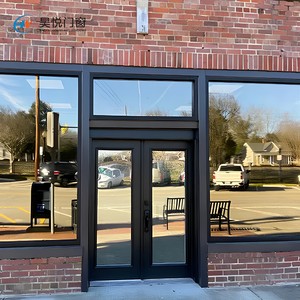
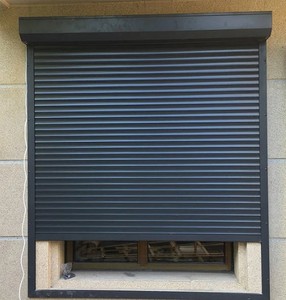
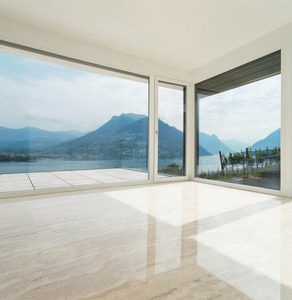
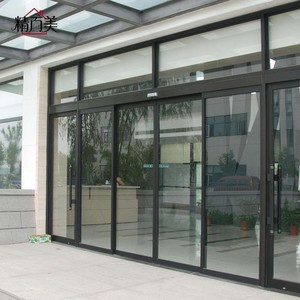
The Technical Evolution of Architectural Aluminium Jali Windows
Analyzing structural alloy selection, acoustic dampening, precision laser-lattice perforation, and thermal boundary performance across high-exposure commercial and residential developments.
The contemporary building envelope has transitioned from a passive barrier to an active climatic and structural filter. In tropical, sub-tropical, and coastal regions spanning Southeast Asia, Australasia, the Middle East, and beyond, architects face the compound challenge of solar radiation attenuation, natural airflow optimization, insect screening, and forced-entry deterrence. The historic architectural jali (or perforated solar screen) has been radically re-engineered through precision metallurgy and advanced CNC manufacturing into modern OEM/ODM Aluminium Jali Windows.
Unlike traditional masonry or cast iron screens, aluminum alloy lattices—specifically constructed with virgin 6063-T5, 6063-T6, or marine-grade 5052 aluminum sheets and extruded profiles—offer exceptional strength-to-weight ratios, dimensional accuracy down to ±0.2mm, and absolute immunity to rust, moisture rot, and insect infestation. When fused into thermally broken structural frames with multi-point perimeter compression locking, the aluminum jali acts simultaneously as a bioclimatic sunscreen, a robust acoustic baffle, and an impenetrable security envelope compliant with strict international building codes.
1. Metallurgical Formulations and Structural Alloy Performance
The manufacturing integrity of custom-engineered aluminum jali assemblies begins at the billet and alloy processing stage. At our Guangdong Dejiyoupin (DERCHI) production facilities, profiles are formulated from primary A00-grade aluminum ingots rather than contaminated secondary scrap, guaranteeing predictable mechanical properties:
| Alloy & Temper | Tensile Strength (Rm MPa) | Yield Strength (Rp0.2 MPa) | Elongation (A50 %) | Corrosion Resistance | Optimal Engineering Application |
|---|---|---|---|---|---|
| 6063-T5 (Extruded) | ≥ 175 MPa | ≥ 130 MPa | ≥ 8% | High (Anodized / PVDF) | Window perimeter framing, sub-sashes, and glazing beads. |
| 6063-T6 (Thermal Break) | ≥ 215 MPa | ≥ 170 MPa | ≥ 10% | Exceptional | Structural transoms, mullions, and high-windload stacker frames. |
| 5052-H32 (Sheet Jali) | ≥ 210 - 260 MPa | ≥ 130 - 180 MPa | ≥ 12% | Marine Grade (Saline) | Laser-cut intricate decorative jali patterns, CNC solar grilles. |
| 304/316 SS Mesh (Hybrid) | ≥ 520 MPa | ≥ 205 MPa | ≥ 40% | Ultimate Anti-Pry | Integrated bullet/knife-shear security screens fitted inside jali frames. |
2. Advanced Thermal Barrier and Acoustic Decoupling Systems
In high-density metropolises and humid coastal environments, exterior fenestration must prevent thermal bridging and block exterior ambient noise (STC ratings > 38 dB). Our OEM/ODM aluminum jali window systems implement polyamide PA66 GF25 thermal break strips reinforced with 25% chopped glass fiber. This material matches the exact thermal expansion coefficient of aluminum (2.3 × 10⁻⁵ / °C), eliminating structural shear fatigue, joint distortion, and seal degradation under extreme diurnal temperature swings ranging from -20°C to +85°C.
Furthermore, by pairing double- or triple-glazed insulated glass units (IGU) containing argon gas cavities and Low-Emissivity (Low-E) coatings with exterior-mounted or sash-integrated aluminum jali screens, buildings achieve up to a 42% reduction in Solar Heat Gain Coefficient (SHGC) without sacrificing natural daylighting or requiring permanent reflective tinting.
Why Tier-1 Contractors and Global Developers Source From DERCHI
With 25+ years of fenestration leadership, our Foshan factory serves as an OEM/ODM partner for landmark commercial complexes, private villa compounds, and institutional developments worldwide.
Full Scale Extrusion & CNC Perforation
Equipped with 10,000W ultra-high-speed fiber laser cutters, automated multi-axis CNC machining centers, and precision corner crimpers, capable of fabricating intricate Islamic geometric jali, modern parametric louvers, and bespoke architectural motifs to tight tolerances.
International Testing & Certifications
DERCHI systems are independently tested and certified to global benchmarks, including Australian AS 2047 (N6 Cyclonic Rating), CE mark, ISO 9001 quality management, NFRC thermal standards, and UL fire-rated certifications for seamless regulatory inspection pass rates.
Superior Surface Treatments
In-house vertical powder coating and fluorocarbon PVDF lines using AkzoNobel and PPG finishes. Certified to withstand 3,000+ hours of neutral salt spray (ASTM B117), qualifying DERCHI jali assemblies for sea-facing resort facades and high-UV tropical environments.
Free CAD & BIM Engineering Support
Our 600+ team includes dedicated facade engineers who supply shop drawings, wind-load deflection calculations, Revit BIM families, and anchor detailing directly within your project schedule, eliminating dimensional misalignment before mass production begins.
Integrated Export Logistics & Packing
Located in Foshan directly proximate to Guangzhou and Shenzhen maritime hubs. All shipments feature solid fumigated plywood crates, multi-layered protective EPE film, moisture desiccant packs, and structural corner guards to ensure zero transit shock or scratch damage.
Same Time Zone Technical Service (GMT+8)
Operating on the same business hours as key Asian economic centers (Singapore, Manila, Kuala Lumpur, Bangkok, Jakarta) and offering responsive overlap with the Middle East and Europe, ensuring technical requests and revisions receive same-day resolution.
Future Procurement & Technological Trends in Aluminium Jali Fenestration
Key architectural and manufacturing shifts shaping commercial project specifications, green building certifications, and smart facade integration over the next decade.
1. Dynamic Bioclimatic Shading & Passive Cooling Demands
Green building programs like LEED v4.1, BREEAM, and Green Star are mandating stringent solar heat mitigation. Future window procurement focuses on dual-skin facade systems where outer aluminum jali screens diffuse up to 65% of direct solar gain while facilitating stack-effect passive natural ventilation, sharply dropping HVAC operational loads in equatorial regions.
2. Motorized & Smart-Home Automated Jali Sashes
Architects are actively specifying motorized sliding, folding, and bi-folding jali louvers linked to central Building Management Systems (BMS) and smart-home platforms (Tuya, Zigbee, KNX). Sashes automatically calibrate opening angles according to sun position, wind velocity, and indoor air quality sensors to balance privacy, natural illumination, and storm protection.
3. Unification of Decorative Lattices with Forced-Entry Resistance
Where property owners once installed unsightly exterior iron grilles over glass windows, modern developments require seamless aesthetic security. New procurement tenders call for CNC laser-cut aluminum panels integrated directly into the window frame alongside high-tensile 304/316 stainless steel security mesh, satisfying both architectural prestige and anti-burglary standards.
4. Low-Carbon Recycled Billets & Environmental Product Declarations (EPD)
Institutional developers increasingly require supply chain transparency and verifiable carbon footprints. Leading OEM/ODM suppliers are transitioning toward certified low-carbon aluminum smelted with renewable hydro-power, supported by comprehensive EPD documentation to assist general contractors in fulfilling strict municipal embodied carbon caps.
Frequently Asked Questions on Aluminium Jali Window Sourcing
Comprehensive engineering, manufacturing, compliance, and international shipping answers to streamline your project's procurement cycle.
What are the key technical differences between punched, cast, and laser-cut aluminium jali window panels? ▼
Punched (Stamped) Aluminium Jali: Cost-efficient for massive repetitive production runs with standard circular, diamond, or square perforations. However, tooling fees for custom patterns are high, and edge stress deformation may require post-punch straightening.
Cast Aluminium Jali: Molten alloy poured into pre-shaped molds, generating heavy, high-relief three-dimensional decorative panels. Excellent for classical estate main gates and historic villa restorations, though heavier and higher in unit cost.
CNC Fiber Laser-Cut Aluminium Jali: The preferred architectural standard for contemporary OEM/ODM fenestration. It supports infinite custom CAD geometric patterns, zero tooling investment for design changes, razor-sharp edge tolerances (±0.1mm), and maintains complete panel structural flatness across sheets up to 6mm in thickness.
How does an aluminium jali window system achieve the Australian AS 2047 N6 wind resistance rating? ▼
Can DERCHI manufacture custom jali screens to match our project's specific architectural motifs or BIM designs? ▼
What surface finish provides the highest longevity against coastal salt-spray corrosion and intense UV degradation? ▼
What is your typical OEM/ODM production lead time and minimum order quantity (MOQ)? ▼
How does your factory ensure product safety and eliminate glass or frame damage during international ocean transport? ▼
Initiate Your OEM/ODM Fenestration Tender With DERCHI
Send our senior facade engineering team your window schedules, architectural elevations, or project specifications. Receive comprehensive 2D/3D CAD shop drawings, wind-load analysis, and direct factory pricing within 24 business hours.