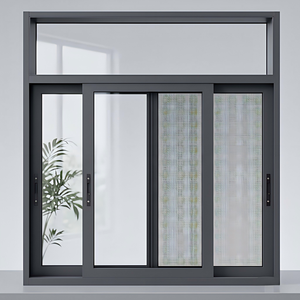
Factory Engineered Portfolio
Featured Aluminum Crank Out, Sliding & Project Fenestration
Explore industrial-grade, impact-certified casement, crank-out awning, and high-load sliding window assemblies manufactured under ISO 9001, AS 2047, and NFRC compliance parameters.
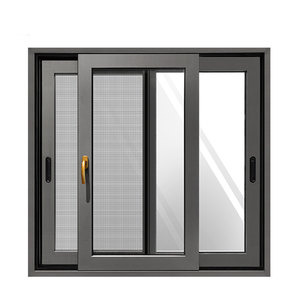
Energy Efficiency Hurricane Impact Double Layered Tempered Glass Windows
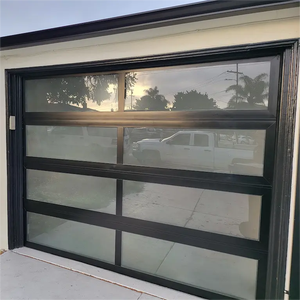
WANJIA Waterproof Aluminum Exterior Glass Architecture Portal Door
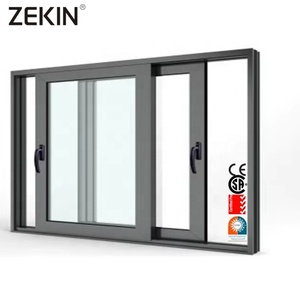
Energy Efficient Sliding & Project Fenestration NFRC AS2047 Certified
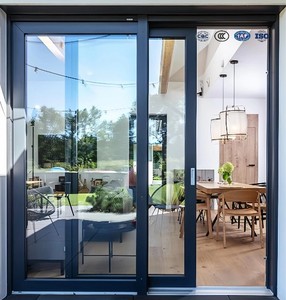
Modern Aluminum Alloy Systems with Tempered Soundproof Glazing
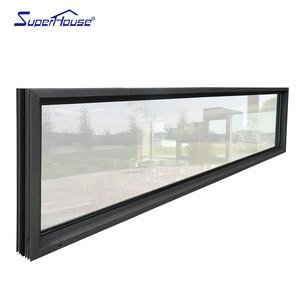
Commercial Hurricane Design Aluminum Swing & Fixed Architectural Units
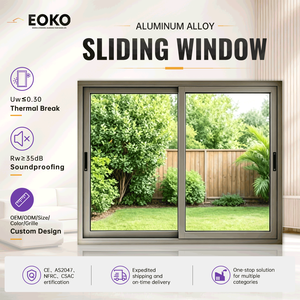
EOKO Energy Efficient Thermal Break Windows for Multi-Family Towers

Thermal Break Sandstorm Resistant Window Dust-Proof Sealed Design
180,000㎡
Industrial Manufacturing Base
25+
Years Engineering Pedigree
100+
Global Patents & Certifications
600+
Dedicated Technicians & Staff
Manufacturer Direct Authority
Why Top Global Specifiers Rely on Our OEM/ODM Ecosystem
From Guangdong Dejiyoupin Doors and Windows Co., Ltd. (DERCHI) in Foshan, our fully integrated supply chain delivers turnkey precision for international distributors, facade builders, and EPC general contractors.
Rigorous Structural & Impact Certification
Our fenestration assemblies pass the stringent Australian AS 2047 N6 structural pressure criteria, alongside CE, ISO 9001, and UL-compliant fire protection parameters, ensuring effortless compliance during municipal building inspections.
Turnkey BIM & CAD Engineering Shop Support
Eliminate site misalignments. Our in-house technical engineering office translates project schedules into comprehensive parametric shop drawings, structural wind-load calculations, and elevation models prior to CNC extrusion milling.
Real-Time GMT+8 Technical Project Desk
Headquartered directly adjacent to deepwater ports in the Greater Bay Area, our English-speaking engineering team ensures real-time quote responses, prompt drawing iterations, and swift maritime logistics to global hubs.
Engineering Whitepaper
Comprehensive Anatomy of Industrial-Grade Aluminum Crank Out Windows
Evaluating mechanical scissor linkages, thermal bridge discontinuity, multi-point compression cam gears, and atmospheric surface durability.
In modern architectural fenestration, the aluminum crank out window (encompassing both project-out awning and side-hinged casement variants) represents the engineering zenith of air impermeability and water-tightness. Unlike traditional sliding systems that depend on dynamic felt pile weatherstrips prone to frictional wear, crank out mechanisms utilize mechanical rotary operators coupled with articulated stainless steel arms to press the sash perpendicularly against resilient elastomeric seals.
At our 180,000㎡ manufacturing facility, structural profiles are extruded from prime-grade 6063-T6 or 6061-T6 aluminum alloys, boasting wall thicknesses between 1.6mm and 3.0mm depending on architectural wind-load requirements. The core thermal break design incorporates precision-engineered polyamide nylon struts (PA66 GF25) reinforced with 25% chopped glass fiber. This material matches the thermal expansion coefficient of aluminum while halting thermal bridging, achieving window system U-factors down to 0.22 BTU/(h·ft²·°F) (1.25 W/m²K) when paired with argon-filled low-E insulated glass units (IGU).
| Engineering Attribute | Standard Sliding System | Traditional Friction Stay Window | OEM/ODM Heavy-Duty Crank Out System |
|---|---|---|---|
| Air Infiltration Rating | 0.20 to 0.30 cfm/ft² (High draft risk) | 0.10 to 0.15 cfm/ft² | ≤ 0.02 cfm/ft² (Hermetic Compression Seal) |
| Water Penetration Resistance | 300 Pa to 450 Pa max | 450 Pa to 600 Pa | 700 Pa to 1050 Pa (Meets Coastal AS 2047 N6) |
| Locking Mechanism | Single center latch / crescent lock | Single cam catch | Multi-point progressive tie-bar gear lock |
| Acoustic Attenuation (STC) | STC 26 - 30 dB | STC 31 - 34 dB | STC 38 - 45 dB (With Acoustic PVB Laminate) |
| Hardware Cycle Life | 10,000 cycles before track deformation | 15,000 friction hinge cycles | ≥ 50,000 full open/close rotations (AAMA 901) |
The operational longevity of a crank out window hinges directly upon the chemical composition of its hardware. We integrate premium zinc-aluminum alloy operator gearboxes combined with hardened 304 or marine-grade 316 stainless steel drive worms and articulated dual-arm scissor links. The multi-point cam locking system functions via a concealed stainless steel tie-bar along the frame perimeter. With a single rotation of the interior handle, multiple keeper wedges engage sequentially, drawing the perimeter triple-gasketed EPDM rubber seals into uniform 30% nominal mechanical compression.
Strategic Procurement Intelligence
Future Sourcing & Technological Trends in Aluminum Fenestration (2025–2030)
How evolving energy codes, climate vulnerability, and smart building integration are altering commercial and high-end residential window procurement.
1. Extreme Weather Envelope Fortification
Due to intensifying cyclonic patterns and super typhoons globally, Tier-1 EPC contractors are transitioning procurement requirements away from standard wind-load ratings toward verified missile-impact and cyclic pressure testing protocols (such as ASTM E1886/E1996 and AS 2047 N6). Future crank out window designs demand thicker-gauge structural aluminum webs, structural silicone glazing (SSG), and laminated SentryGlas® interlayers capable of absorbing high-velocity debris impacts without envelope compromise.
2. Passive House & Carbon Neutral Thresholds
International green building mandates (such as LEED v4.1, BREEAM, and Germany’s Passivhaus standard) are rendering non-thermally broken frames non-compliant. Procurement workflows now scrutinize the whole-window U-factor and Environmental Product Declarations (EPD). Modern aluminum crank out window configurations integrate triple glazing units with warm-edge spacers, argon gas fills, and multi-cavity thermal struts with aerogel insulation inserts to meet near-zero energy building (NZEB) statutory targets.
3. Mechatronic & Smart Facade Automation
The conventional manual rotisserie crank is rapidly evolving into concealed 24V DC mechatronic chain actuators integrated directly into central Building Management Systems (BMS). Automated crank out windows enable natural night-purge ventilation, indoor air quality (CO2/VOC) regulation, and synchronized automatic closure triggered by external anemometers or rain sensors, significantly optimizing HVAC operational expenditure across commercial high-rises.
Procurement Due Diligence
Frequently Asked Questions by Global Importers & Contractors
Essential technical, logistics, and certification queries addressed by our chief facade engineering directors.
What structural grade of aluminum profile is utilized for crank out window extrusions?
We exclusively manufacture using primary architectural 6063-T6 or structural 6061-T6 aluminum ingots. Our extrusion wall profiles strictly comply with international standards, featuring a minimum web thickness of 1.6mm for residential applications and 2.0mm to 3.0mm for commercial high-load assemblies, ensuring complete resistance against wind shear and hinge sagging.
How do crank out windows maintain hermetic sealing against monsoons and high humidity?
Unlike sliding tracks which leak under hydrostatic head pressure, our crank out units integrate multi-tiered continuous vulcanized EPDM gaskets. When the operator arm draws the window shut, perimeter mechanical cam wedges drive the sash inward, compressing the rubber profile by exactly 25% to 35%. This achieves complete hermetic sealing certified under Australia's AS 2047 N6 and Middle Eastern dust-tight benchmarks.
Can your Foshan facility support OEM custom die extrusions and specialized finishes?
Yes. Supported by our 180,000㎡ industrial base, we provide end-to-end OEM and ODM services. We produce custom die extrusions from client CAD/BIM specifications within 15–20 days. Surface treatments include marine-grade AAMA 2605 PVDF (fluorocarbon) spraying, Class I architectural anodizing (25μm), and AkzoNobel exterior-grade powder coatings resistant to UV degradation and saline pitting.
What hardware mechanisms prevent mechanical gear stripping during high wind gusts?
Our rotary operators utilize hardened steel worm drives encased within high-tensile zinc alloy gear housings. An internal clutch and torque limiter prevent gear tooth stripping when closing against stiff breezes. Furthermore, sash stabilizer arms and heavy-duty 4-bar stainless steel friction hinges distribute outward aerodynamic lift across the structural sub-frame rather than directly onto the rotary teeth.
What third-party testing and compliance documentation accompany shipments?
Every export consignment can be provided with full factory traceability dossiers. These include raw material mill test certificates (MTC), NFRC thermal performance ratings, AS 2047 cyclic wind and water testing reports, CE compliance documentation, and UL-rated glass and hardware certifications required by structural engineers and municipal inspectors.
How are fragile glazed window units packaged for intermodal maritime container shipping?
We utilize a proven 5-layer industrial export crating system: (1) protective polyolefin film across all aluminum finishes, (2) shock-absorbing high-density corner foam bumpers, (3) waterproof plastic wrap, (4) individual heavy-duty corrugated board packaging, and (5) fully fumigated IPPC-certified solid plywood crates reinforced with internal steel banding to withstand maritime container transit without dynamic shift damage.