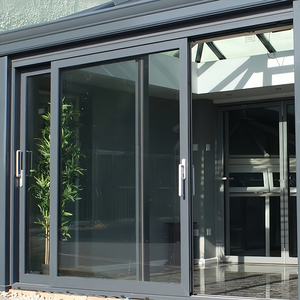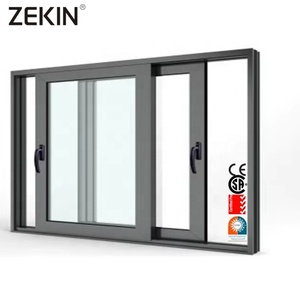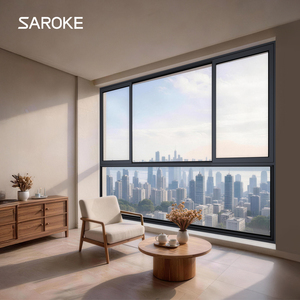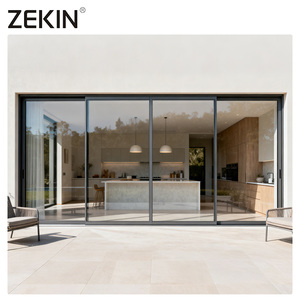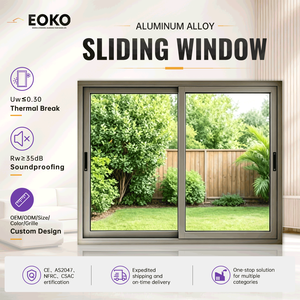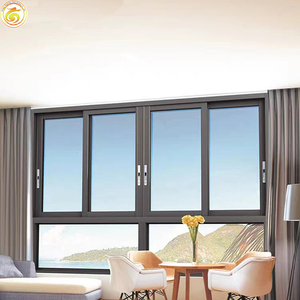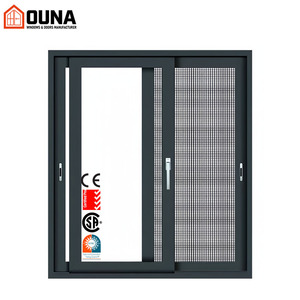
OEM/ODM Aluminum Slide Window Manufacturer & Supplier

Global Engineering Excellence: NFRC & AS2047 Certified Architectural Fenestration Systems, Hurricane-Impact Glazing & Thermal Break Technologies

Precision Engineered Systems

Featured Aluminum Sliding Window Solutions

Engineered for high wind pressures, tropical typhoons, severe marine salinity, and demanding building codes across Australia, North America, and Southeast Asia.

In commercial architecture and high-end residential engineering, aluminum sliding windows are no longer regarded simply as functional fenestration. Driven by stringent worldwide net-zero carbon building mandates, extreme atmospheric climate shifts, and architectural preferences for large glass sights, high-performance sliding systems must address complex engineering challenges: combining minimal frame widths with maximum structural rigidity, superior thermal insulation, high water-tightness under typhoon rainstorms, and reliable cycle-test operating lifespans.
Strategic Market Analysis

Future Procurement Trends in Global Architectural Fenestration

Global commercial builders, façade consultants, and regional fenestration distributors are adjusting their procurement protocols based on three primary regulatory and operational requirements:

1. Whole-Window Thermal Decoupling

Driven by strict building energy codes such as US Title 24, IECC standards, and the Australian National Construction Code (NCC), buyers prioritize whole-window U-factors below 1.6 W/(m²·K). Procurement now demands polyamide PA66 GF25 thermal break strips with multi-cavity barrier profiles that block conductive transmission across the interior and exterior aluminum envelopes.

2. Certified Resilience Against Typhoons

Projects across coastal Florida, the Caribbean Basin, the Philippines, Hong Kong, and Northern Australia face increasing peak wind loads. Sourcing decisions now require independently verified certifications (such as AS2047 N6 rating and ASTM E1886/E1996 Large Missile D Impact). Glazing must feature structural SentryGlas (SGP) or acoustic PVB interlayers capable of withstanding positive and negative cycling up to 5000 Pa.

3. Supply Chain Consolidation via Tier-1 OEM/ODM

General contractors and regional window assemblers are moving away from local, multi-source assembly models to reduce fabrication overhead. By working directly with integrated Tier-1 manufacturers that manage precision extrusion casting, CNC profile machining, surface treating, and complete IGU glass assembly in-house, importers can reduce lead-time variability and pass local building certifications reliably.

Engineering Whitepaper

Technological Innovations Redefining Modern Aluminum Sliding Windows

Historically, horizontal sliding windows had lower weather sealing compared to casement systems due to brush seals and loose track clearances. Modern manufacturing techniques have addressed this gap:
Performance Vector Legacy Sliding Window System Next-Generation OEM/ODM System (DERCHI Engine) Verified Operational Advantage
Alloy Metallurgy Recycled, secondary standard billet alloy Virgin 6063-T6 or 6061-T6 prime aluminum alloy Higher tensile yield, reduced sash deflection under peak hurricane pressure loads.
Weather Sealing Woven polypropylene pile wool weatherstripping Continuous EPDM co-extruded compression gaskets with fin seals Air infiltration reduced below 0.15 cfm/ft²; resists UV degradation and water penetration.
Water Management Direct front-face weep slots exposed to wind backpressure Cascading independent drainage chambers with anti-backflow baffles Prevents water pooling during storm-driven horizontal rains up to 450Pa pressure.
Glazing Technology Clear single glass or 4+6A+4 dual glazed units 5+12A+5 to 8+16A+8 Low-E Argon-filled dual/triple units with Warm-Edge Solar Heat Gain Coefficient (SHGC) reduced by up to 55%; stops internal condensation.
Hardware & Rollers Plastic or nylon rollers, friction slide friction tracks SUS304/SUS316 stainless steel tandem precision bogie needle rollers Smooth operation tested beyond 100,000 cycles for sash loads exceeding 250 kg.
180,000㎡
Intelligent Manufacturing Base
25+
Years Engineering Excellence
100+
Patents & Global Certifications
600+
Fenestration Specialists
Enterprise Core Competence

Why Major Developers and Contractors Partner with Us

Complete Single-Source Production

From aluminum profile extrusion, thermal break assembly, precision multi-axis CNC cutting, and automated powder coating/PVDF spraying to insulated glass unit fabrication, our 180,000㎡ Foshan campus eliminates sub-supplier markups and delivery delays.

Global Testing Standard Compliance

Our window profiles and finished products comply with international testing standards, including CE, ISO 9001, Australian Standard AS 2047, and North American NFRC performance protocols, helping our clients pass regional project approvals.

Free Engineering CAD & BIM Support

Our in-house design and engineering department creates full CAD shop drawings, structural wind-pressure calculations, and 3D architectural files customized to your door and window schedule before initiating factory-scale production.

Real-Time GMT+8 Project Support

Our multi-lingual sales engineers coordinate directly across Asia-Pacific, Oceanic, European, and American time zones, providing technical quotes within 24 hours and direct video inspections directly from the production line.

Export Logistics & Seaworthy Protection

Located near core Pearl River Delta international container ports, all shipments use heavy-duty customized steel or plywood crates, complete edge protectors, and desiccants to maintain zero damage across ocean transit.

Tested Architectural Hardware

We incorporate world-class hardware systems—including German Siegenia, Hoppe, and custom SUS304 multi-point locking handles and concealed tracks—delivering smooth manual motion and reliable burglary resistance.

Procurement Clarity

Frequently Asked Questions: Global Window Sourcing

1. How do your aluminum slide windows meet Australian AS 2047 and American NFRC requirements?
Our windows undergo testing at third-party accredited laboratories to meet specific market regulations. For the Australian standard AS 2047, our systems are evaluated for deflection under design wind pressure, air infiltration resistance, water penetration resistance (typically achieving 450Pa to N6 ratings), and ultimate wind pressure testing. For North American energy codes, our thermal break frames and Low-E insulated glass are tested under NFRC protocols to provide verified U-factor, Solar Heat Gain Coefficient (SHGC), and Visible Transmittance (VT) ratings for code compliance.
2. Can your factory accommodate bespoke profile extrusion shapes and non-standard project opening dimensions?
Yes, our ODM operations are set up for custom requirements. We offer in-house mold design and extrusion die fabrication for custom profile geometries, architectural sightlines, integrated sub-sills, fin frames, and mullion structural pockets. For OEM volume orders, we fabricate directly to the approved window schedules, offering tailored thermal break depths, glass pocket thicknesses, and custom powder coat finishes (AkzoNobel or PPG certified).
3. What surface treatment options protect aluminum sliding windows against coastal salt spray?
For coastal installations exposed to severe marine salt spray, we apply electrostatically sprayed Polyvinylidene Fluoride (PVDF/Fluorocarbon) coatings with a minimum of 70% Kynar 500 resin, meeting AAMA 2605 specifications. Alternatively, our Class 1 architectural anodized finishes (minimum 25-micron oxide layer) and Qualicoat-certified architectural exterior powder coatings provide reliable barrier protection against pitting, chalking, and corrosion, tested past 3,000 to 5,000 hours in neutral salt spray (NSS) chambers.
4. How does your engineering design prevent track water ponding during typhoon conditions?
Our horizontal sliding systems use a pressure-equalized cascading drainage sub-sill design. Track areas are separated from the main drainage chambers via internal step profiles. Exterior weep vents are equipped with gravity-assisted flap baffles that open outward to release run-off water, while closing under external wind pressure to prevent wind-driven rainwater backflow into the building.
5. What typical manufacturing lead times and quality assurance steps apply to container shipments?
Standard OEM/ODM production lead times run between 25 to 35 days from final CAD shop drawing sign-off and glass confirmation. Quality control checkpoints include raw ingot spectrometer composition verification, thermal break dry-shear testing, coating film thickness checks, 100% pre-assembly frame squaring, water rack testing, and glass seal dew-point verification before protective film masking and crating.

Initiate Your Custom Window Specification Proposal

Send your project schedules, opening elevations, or custom extrusion requirements to our engineering team. We deliver complete shop drawings, cost estimations, and structural calculations within 24 hours.

Contact Us