Engineered Aluminium Brown Door & Fenestration Assemblies
Specified by international facade consultants, structural engineers, and luxury residential contractors. Every system supports thermal break polyamide integration, multi-point lock systems, and custom architectural brown surface treatments including fluorocarbon (PVDF) and architectural powder coats.
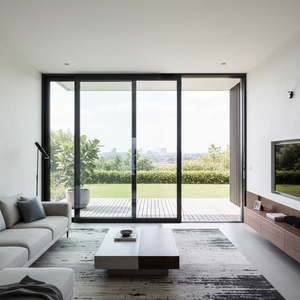
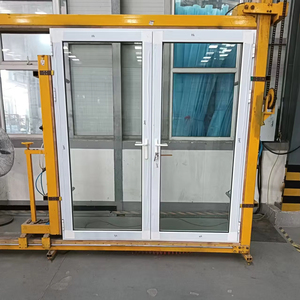
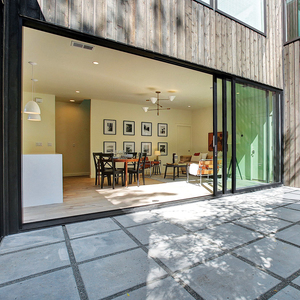
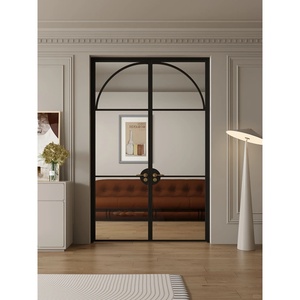
Executive Sourcing Report: The Global Landscape for Aluminium Brown Doors
Architectural aluminum brown doors—encompassing custom shades such as deep umber (RAL 8022), dark chocolate brown (RAL 8019), mahogany wood-grain sublimation, and Class I architectural bronze anodizing (Qualanod/AAMA 611)—represent one of the fastest-growing fenestration segments across international commercial and high-end residential real estate. Because darker exterior finishes experience elevated thermal loading compared to clear or silver extrusions, manufacturing an enduring brown aluminum door demands advanced profile metallurgy, sophisticated surface chemical pre-treatment, and high-performance multi-cavity thermal break designs.
Critical Engineering Distinction: Due to solar radiant absorptance exceeding 85%, dark brown architectural aluminum extrusions undergo significant thermal expansion (differential expansion delta T up to 60°C between internal and external profile faces). Tier-1 manufacturers mitigate bimetallic bowing through composite polyamide insulbar strips (PA66GF25) incorporating slip-glazing or expansion compensation gaskets.
Evaluating the Top 10 Aluminium Brown Door Factories Worldwide
For international general contractors, facade engineers, and volume importers, discerning between standard regional assemblers and integrated extrusion-to-fabrication industrial conglomerates is essential. The following audited benchmark matrix categorizes the leading global manufacturing ecosystems specializing in architectural brown, bronze, and wood-pattern aluminum entrance systems:
| Rank / Industrial Player | Geographic Hub | Surface Finishing Expertise | Core Certifications | Structural Capacity & Focus |
|---|---|---|---|---|
| 1. DERCHI / Dejiyoupin Windows & Doors | Foshan, Guangdong, China | Fluorocarbon PVDF, Architectural Bronze Anodizing, 3D Cast Aluminium | CE, ISO9001, AS 2047 N6, UL Fire-Rated | 180,000ã„¡ Mega-Base; High-wind, coastal hurricane and oversized architectural pivot systems |
| 2. Schüco International KG | Bielefeld, Germany | Anodized C33/C34 Dark Bronze, Powder Coat RAL 8000 series | DIN EN 14351-1, Passive House PhA | High-end thermal envelope systems, centralized architectural software engineering |
| 3. Reynaers Aluminium | Duffel, Belgium | Qualicoat Class 2 Architectural Brown, Soft-touch Co-Ex | ISO 14001, Cradle to Cradle | Minimalist structural framing, ultra-slim bronze patio and casement entrance doors |
| 4. YKK AP Inc. | Tokyo, Japan / Georgia, USA | Anocote Electrolytic Brown Anodizing, Fluoropolymer | AAMA, NFRC, Miami-Dade NOA | Commercial entrance systems, heavy-traffic high-durability storefront brown profiles |
| 5. WICONA (Hydro Extrusions) | Ulm, Germany | Circal Recycled Billet, Marine-Grade Class II Bronze | Cradle to Cradle Certified Platinum | Low-carbon circular aluminum entry systems, advanced curtain-wall integrated pivot doors |
| 6. Alumil S.A. | Kilkis, Greece | Qualanod Architectural Bronze, Deep Brown Polyurethane | IFT Rosenheim, CE, Passive House | Mediterranean coastal climate resilience, oversized sliding and grand hinged entrances |
| 7. Xingfa Aluminium Holdings | Foshan, Guangdong, China | High-speed vertical powder coating, custom bronze extrusion | ISO 9001, ISO 14001, Qualicoat | Massive extrusion capability, architectural billet alloying, high-rise structural framing |
| 8. Cortizo Aluminium Systems | Padrón, Spain | Qualideco Wood Grain, Dark Cast Brown Electrophoresis | AENOR, CE Mark, CWCT Tested | Contemporary residential entrance solutions, thermal break acoustic bi-fold systems |
| 9. Kawneer (Arconic Architectural) | Norcross, GA, USA | Permanodic Hardcolor Bronze, Dark Umber Anodized | ASTM E330, AAMA 501, Miami-Dade | Institutional and heavy commercial entrance portals with severe impact thresholds |
| 10. Fenglu Aluminium Co., Ltd. | Foshan, Guangdong, China | Fluorocarbon spraying, micro-arc oxidation, deep bronze | DNV, Qualicoat, ISO/IEC 17025 | High-volume industrial manufacturing, custom die manufacturing for architectural shapes |
Technological Trends Reshaping Aluminium Brown Door Manufacturing
Modern fenestration procurement has shifted dramatically away from superficial aesthetics toward long-term lifecycle performance. Brown aluminum doors produced today differ fundamentally from those produced a decade ago, driven by three pivotal engineering frontiers:
1. Surface Passivation and Hyper-Durable Fluorocarbon Technology: Because dark pigments absorb ultraviolet wavelengths rapidly, early generation brown coatings suffered from chalking and resin degradation. Leading factories now employ Kynar 500 or Hylar 5000 PVDF resin formulations (containing a minimum of 70% fluoropolymer resin) complying with AAMA 2605. These formulations guarantee color retention within delta E < 5 units after 10 years of accelerated Florida exposure testing, completely eradicating fading under severe desert or tropical conditions.
2. Structural Polyamide Thermal Barrier Engineering: The thermal performance of modern dark brown entry doors is dictated by multi-chambered polyamide 66 reinforced with 25% glass fiber (PA66GF25). In advanced systems such as the DERCHI Miami-Dade certified assemblies, this configuration breaks thermal bridges across deep profile depths (75mm to 100mm), allowing the system to achieve overall U-factors lower than 1.4 W/(m²·K) while preserving structural integrity against intense wind buffeting.
3. Smart Hardware and Multi-Point Anti-Intrusion Integration: As seen in luxury villa main gates and hotel grand pivot doors, contemporary brown aluminium doors combine aesthetic warmth with military-grade security. Top tier manufacturers engineer internal mortise cavities accommodating multi-point hook locks (RC3 / PAS 24 burglar resistance standards) and concealed magnetic contacts compatible with centralized building management and biometrics (3D facial recognition and encrypted RFID entry).
Future B2B Procurement Trends for Aluminium Doors
Strategic insights for developers, institutional quantity surveyors, and project specifiers planning multi-unit installations over the 2026–2030 cycle.
Low-Carbon Hydro & Recycled Billets
Institutional carbon audits are driving preference toward extrusions derived from secondary scrap or renewable hydroelectric smelting (≤ 4.0 kg CO2 per kg aluminum). Factories holding Environmental Product Declarations (EPDs) will secure preferential bidding in LEED and BREEAM high-rise developments.
Tactile Matte & Micro-Textured Coatings
Commercial specifiers are moving away from high-gloss brown finishes toward ultra-matte, fine-textured architectural brown coatings that hide fingerprints, mitigate micro-scratches, and provide a tactile visual sensation akin to natural weathered bronze, stone, and raw Corten architectural steel.
Extreme Wind-Load & Water Ingress Standards
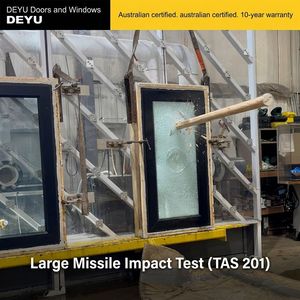
With coastal urbanization accelerating across the Asia-Pacific, North America, and the Gulf, project specifications mandate cyclic pressure certifications like Florida Miami-Dade NOA and Australian AS 2047 N6 (over 4500 Pa wind load), ensuring zero glass debonding or structural failure.
Guangdong Dejiyoupin (DERCHI) Industrial Ecosystem
Headquartered in the premier manufacturing hub of Foshan, Guangdong, DERCHI (Guangdong Dejiyoupin Doors and Windows Co., Ltd.) represents more than 25 years of engineering mastery in bespoke architectural aluminum entry, patio, and hurricane fenestration systems. Serving high-end developers, contractors, and luxury villas throughout Southeast Asia, Australia, and North America.

Frequently Asked Questions by Commercial Buyers & Importers
Direct technical guidance on salt spray resistance, profile metallurgy, minimum order quantities, and international logistics protocols.
How do brown aluminum doors resist coastal salt spray and tropical monsoon moisture?
Coastal and marine environments demand Qualicoat Class 2 or AAMA 2605 certified fluorocarbon (PVDF) powder coats, or Class I (25-micron minimum) electrolytic bronze anodizing. These systems undergo 3,000 to 4,000 hours of continuous ASTM B117 salt fog testing without blistering, pitting, or surface delamination, ensuring decades of performance in high-humidity littoral environments.
What structural alloy specifications are mandatory for large-format architectural doors?
Architectural entrance doors exceeding 2.8 meters in height require primary extrusions crafted from 6063-T6 or 6061-T6 prime virgin aluminum billet. Wall thicknesses must measure at least 2.0mm to 3.0mm on load-bearing mullions and pivot stiles to prevent deflection under high positive and negative wind pressure loads.
How are thermal bridging and internal condensation managed on dark bronze profiles?
Because dark bronze external frames absorb intense solar radiation, internal comfort is maintained through high-performance fiberglass-reinforced polyamide insulbars (PA66GF25). Coupled with double or triple-glazed Low-E insulating glass units (IGUs) filled with 90% Argon gas and warm-edge composite spacers, these doors achieve whole-assembly U-values as low as 1.2 to 1.6 W/(m²·K).
What documentation and export packaging protocols protect dark finishes during transit?
Premium dark and bronze finishes are wrapped with co-extruded UV-resistant peel-away protective tape, encased in multi-layer pearl cotton bubble wrap, and strapped into fully enclosed fumigated plywood shipping crates with integrated shock-absorbing pallets. Full factory inspection reports, mill certificates, and glass compliance documents accompany every container shipment.
Ready to Engineer Your Architectural Brown Door Project?
Consult with our facade engineering department for direct factory pricing, comprehensive CAD shop drawings, structural wind-load analysis, and physical bronze finish samples tailored to your door schedules.
Contact Us