Featured Heavy-Duty Folding, Pivot & High-Performance Systems
Precision-extruded T6 temper aluminum alloy, multipoint thermal breaks, and cyclonic wind-rated glazing designed for ultra-luxury residential and commercial projects.
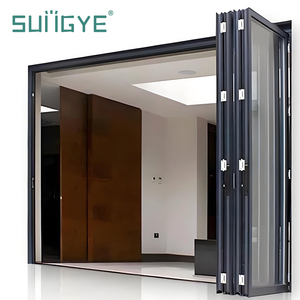
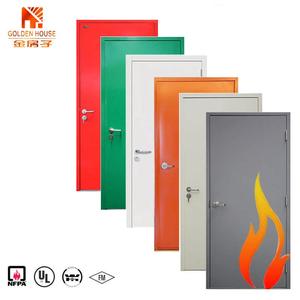
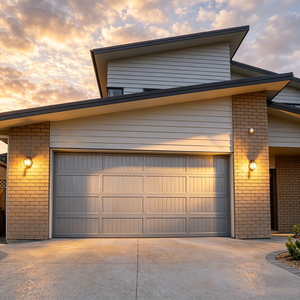
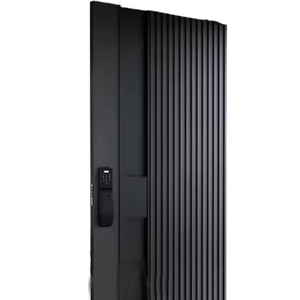
Analysis: Top 10 Aluminium Folding & Stacking Door Fabricators
A rigorous comparative review based on structural extrusion strength, hardware engineering, bespoke architectural tolerances, and international logistics reliability.
| Manufacturer / Brand | Core System Profile | Glazing & Thermal U-Value | Max Panel Height / Weight | Export Compliance |
|---|---|---|---|---|
| DERCHI (Guangdong Dejiyoupin) | 6063-T6 / Heavy Cast & Thermal Break | Triple/Double Low-E, Argon (U < 1.3 W/m²K) | Up to 6000mm / 450kg per sash | AS 2047 N6, CE, ISO9001, UL Fire-Rated |
| Schüco International (Germany) | High-Insulation ASS / ASE Systems | Multi-Chamber Thermal Insulation (U < 1.1) | 3500mm / 300kg per leaf | EN 14351-1, Passive House Institute |
| Centor Systems (Australia/USA) | Integrated Screen Architectural Bi-folds | Double Argon Glazed (U ≈ 1.6 W/m²K) | 3200mm / 250kg per leaf | AAMA / WDMA / AS 2047 |
| Reynaers Aluminium (Belgium) | CF 77 & Concept Folding Series | High Performance PA66 Barrier (U < 1.4) | 3000mm / 200kg per leaf | Qualicoat, CE Mark, ISO 14001 |
| Origin Global (UK) | OB-72 / OB-49 Ultra-Slim Sightline | Double/Triple Glazed Aerogel Core | 3000mm / 180kg per leaf | PAS 24, Secured by Design |
| NanaWall Systems (USA) | WA67 & SL80 Generation Folding Lines | Triple Insulated Low-E (U < 1.25) | 3600mm / 280kg per leaf | NFRC, Florida Building Code (HVHZ) |
| Alumil (Greece) | Supreme SF85 High-End Bifold | Polyamide Insulated Core (U < 1.5) | 4000mm / 220kg per leaf | IFT Rosenheim Certified |
| Cortizo (Spain) | Bi-fold System 70 Slim Architecture | Thermal Break 24-30mm Polyamide | 3000mm / 150kg per leaf | CE, AENOR Quality System |
| LaCantina Doors (USA) | Aluminum Thermally Controlled Stacking | Impact Rated Dual Glazing | 3200mm / 220kg per leaf | AAMA Verified, Title 24 California |
| Western Window Systems (USA) | Series 7950 Multi-Slide & Bifold Door | Split-Finish Thermal Break Design | 3600mm / 320kg per leaf | NFRC Rated, Energy Star Partner |
Technological Evolution & Future Procurement Dynamics
Where structural fenestration meets micro-climate adaptation and automated intelligence.
Ultra-Narrow Sightlines & Structural Concealment
Architectural demand has shifted decisively toward minimalist mullions under 45mm without compromising wind-pressure tolerances. Fabricators achieve this through cold-rolled steel inserts within hollow aluminum chambers and multi-bogie bottom-rolling carriages rated for half a metric ton.
Polymer Polyamide (PA66 GF25) Thermal Efficiency
Stringent decarbonization codes (Title 24, European EPBD, and Australian NCC) mandate overall fenestration values of U < 1.4 W/m²K. Modern stackers incorporate multi-cavity, continuous 34mm polyamides with cellular polyolefin foam insulation, halting interior condensation during severe temperature inversions.
Sub-Threshold Drainage & Cyclone Water-Tightness
Traditional accordion doors struggled with water ingress under horizontal wind loads exceeding 700 Pa. Next-generation systems employ sub-floor concealed weeping trenches, cascaded dual-EPDM vulcanized corner gaskets, and pneumatic compression seals capable of passing rigorous cyclonic tests.
High-Payload Stainless Steel Bearing Carriages
Heavy triple-laminated acoustic glass pushes single panel weights above 200kg. Leading manufacturers now engineer quad-roller carriage assemblies using 316 marine-grade stainless steel with sealed precision ball bearings, ensuring butter-smooth operation across decades of high-frequency use.
Smart Mechatronic & Motorized Automation
Stacking wall assemblies exceeding 8 meters in width increasingly specify integrated concealed servo motors. These link natively with KNX and Zigbee building management systems, featuring automated safety pinch sensors, magnetic interlocks, and remote climate-responsive closure cycles.
Fluorocarbon & Qualicoat Class 2 Finishes
To resist coastal salt mist and tropical ultraviolet radiation, architectural procurement requires minimum 60-80 micron electro-deposited PVDF (polyvinylidene fluoride) or Superdurable Class 2 powder coatings guaranteed against fading, chalking, and blistering for 25+ years.
Guangdong Dejiyoupin Doors and Windows Co., Ltd. (DERCHI)
Ranked among China's Top 10 fenestration enterprises, DERCHI combines a 180,000㎡ intelligent production matrix in Foshan with over a quarter-century of uncompromising export craftsmanship.
180,000㎡ Intelligent Mega-Base
Equipped with computerized German multi-axis profile milling centers, automated double-head mitre saws, and robotic glass assembly lines delivering project-scale volume with millimeter precision.
Australian AS 2047 N6 Benchmark
Our systems undergo full cyclic load tests, extreme negative wind pressure stress, and air infiltration ratings under AS 2047 N6, making them field-proven for severe coastal typhoon corridors.
30+ Patents & International Standards
Certified under CE, ISO 9001, AS 2047, and UL fire classifications, allowing direct specification approval across North America, Europe, Australia, and the Middle East without costly re-testing.
Engineering CAD & BIM Drafting
Every commercial order receives complete structural wind load calculations, deflection modeling, and free shop drawings within 24 hours of receiving architectural schedules.
Same-Time-Zone Project Engineering
Our senior technical teams operate directly on GMT+8, delivering real-time quotes, technical revisions, and virtual factory walk-throughs during Southeast Asian, European, and Australian project hours.
Port-Proximity Export Packaging
Minutes from South China deep-water container hubs (Guangzhou / Shenzhen / Foshan), we implement ISPM-15 treated fumigated crates with shock-absorbing corner cushions and moisture desiccant barriers.
Frequently Asked Questions: Aluminium Folding Door Sourcing
Direct technical answers addressing structural integration, deflection calculations, thermal validation, and customs clearances for project owners and engineers.
How do top-hung vs. bottom-rolling stacking door systems compare structurally?
Top-hung systems offer ultra-clean floor tracks and exceptionally light operation, but they transfer the entire structural dead load of the glazed panels to the overhead structural lintel. This requires a dedicated engineered steel universal beam (RSJ) to avoid lintel deflection that could bind the sashes. Conversely, bottom-rolling systems distribute the physical weight directly onto the floor foundation, making them preferable for expansive openings (over 5 panels) where structural overhead headers are limited.
Which aluminum alloy and temper is mandatory for large-format bi-folds?
Architectural bi-fold and multi-stacking profiles should exclusively specify 6063-T6 or 6061-T6 structural aluminum alloy. The T6 artificial aging temper provides a tensile strength of ≥ 205 MPa and yield strength of ≥ 170 MPa, preventing sash sagging, frame torsion, and mullion twisting when panels exceed 3000mm in height or face extreme wind suction.
What are the key weatherproofing details for tropical and coastal typhoons?
For hurricane and typhoon-prone zones, specify rebated (stepped) thresholds with a minimum 50mm rise rather than completely flush ground tracks. Ensure the system utilizes vulcanized continuous EPDM gasket lines rather than brush pile seals. Corner joints must be injected with two-part polyurethane corner bracket adhesive to guarantee hydrostatic watertightness under 600+ Pa pressure.
How should international buyers verify factory claims before volume orders?
Procurement teams should request: (1) Validated third-party laboratory test reports with specific NATA, CE, or AAMA accreditation stamps; (2) Certified mill test certificates for aluminum profile wall thickness (standard exterior frames must be ≥ 2.0mm); (3) Complete shop drawing submittals detailing cross-sectional thermal break profiles; and (4) Third-party live video factory audits or interactive 360° VR production verifications.