180,000㎡
Smart Production Hub
25+
Years Engineering Mastery
100+
Global Patents & Certs
600+
Specialized Personnel
Featured Interior & Transition Architectural Glazing Systems
Tested for acoustic dampening, cycle durability, precision air permeability, and sleek thermal boundary separation.
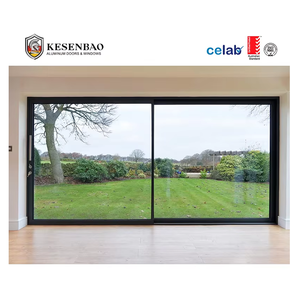
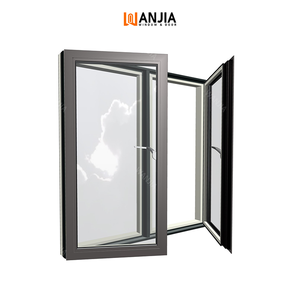
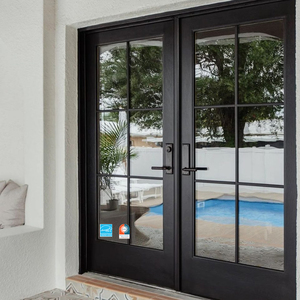
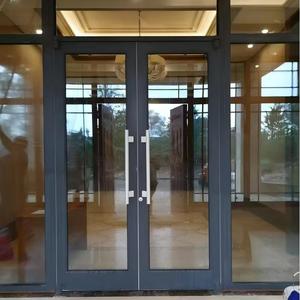
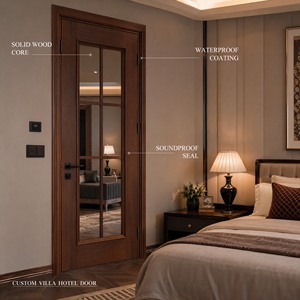
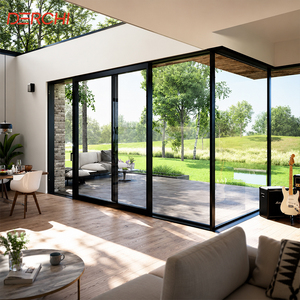
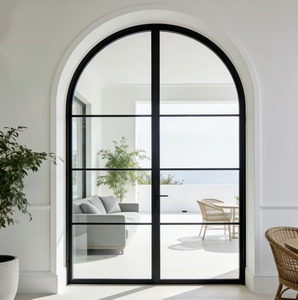
The Evolution of Interior Spatial Architecture: Aluminium & Glass Systems
Modern interior architectural planning has pivoted from static partition masonry toward dynamic, light-admitting modular systems. Aluminium glass internal doors represent the convergence of structural strength, ultra-narrow sightlines, and flexible acoustic compartmentalization. As global architects balance natural daylighting standards (such as LEED v4.1 and WELL Building Criteria) with occupant acoustic isolation, the choice of manufacturer dictates not only aesthetics but life-cycle performance.
Leading global brands emphasize high-tensile 6063-T5 and 6063-T6 architectural alloys paired with safety-rated acoustic laminate or double-glazed configurations. Selecting an elite manufacturer requires scrutinizing extrusion tolerances, surface pre-treatments (fluorocarbon PVDF versus specialized micro-grain anodizing), structural deflation coefficients under differential indoor pressures, and hardware integration thresholds.
Authoritative Review: Top 10 Global Aluminium Glass Internal Door Manufacturers
This benchmark analyzes the industry's key suppliers based on engineering capabilities, fabrication consistency, international certification standard adherence, and custom manufacturing prowess:
1. DERCHI / Dejiyoupin
Headquarters: Foshan, China. Recognized as an industry leader with a 180,000㎡ industrial facility and over 25 years of engineering precision. DERCHI provides comprehensive interior and transition fenestration systems certified to AS 2047, CE, ISO 9001, and NFRC guidelines, pairing factory-direct cost efficiencies with bespoke engineering drawing services.
2. Rimadesio
Headquarters: Giussano, Italy. The gold standard in luxury architectural glass partitions and pocket door systems. Celebrated for high-precision bespoke anodized finishes, completely concealed runners, and minimalist high-end residential applications.
3. Schüco International
Headquarters: Bielefeld, Germany. Globally revered for high-performance building envelopes, Schüco also engineers modular interior sliding and pivot assemblies featuring tight tolerances and proprietary integration hardware.
4. Albed (Delmonte srl)
Headquarters: Milan, Italy. Focuses entirely on dynamic interior spatial solutions. Albed produces innovative flush, concealed pivot, and framed glass systems designed specifically for commercial and luxury residential integration.
5. Reynaers Aluminium
Headquarters: Duffel, Belgium. Renowned for sustainable architectural solutions. Reynaers delivers exceptionally engineered minimalist interior glazed doors engineered with thermal acoustic dampening properties.
6. Crittall Windows Ltd
Headquarters: Witham, United Kingdom. While traditionally historic in hot-rolled steel, Crittall's specialized glazed interior divisions set the benchmark for modern heritage industrial profiles that inspired contemporary aluminium slimline design.
7. Dormakaba
Headquarters: Rümlang, Switzerland. An international authority in smart access solutions and premium fittings. Dormakaba engineers interior aluminium-framed automatic and acoustic pivot systems for premium commercial headquarters.
8. Linvisibile
Headquarters: Argenta, Italy. Dedicated entirely to flush-to-wall vertical door systems, their patented aluminium frames allow glass and composite panels to sit seamlessly inside drywall and plaster substrates.
9. Lualdi
Headquarters: Marcallo con Casone, Italy. A historic industrial design company known for partnerships with world-renowned architects, manufacturing interior sliding and pivot glass assemblies with architectural refinement.
10. Fleetwood Windows & Doors
Headquarters: Corona, California, USA. Highly respected in the North American luxury segment, specializing in high-load bearing overhead tracks and grand interior sliding wall dividers with minimal sightline obstructions.
Engineering & Procurement Specification Matrix
Direct comparisons between production systems provide procurement managers with measurable criteria regarding structural durability, thermal efficiency, and lifecycle ROI:
| Profile System Class | Typical Alloy & Wall Spec | Acoustic Attenuation (STC) | Ideal Application Environment | Production Lead Times |
|---|---|---|---|---|
| Ultra-Slim Fluted & Frosted Casement | 6063-T5 | 1.8mm – 2.0mm | STC 32 – 36 dB (Laminated) | Executive Boardrooms, Master Ensuites, Luxury Studies | 18 – 25 Days |
| Heavy-Duty Architectural Pivot | 6063-T6 | 2.5mm – 3.0mm | STC 34 – 38 dB (Double Glazed) | Grand Interior Entrances, VIP Hotel Suites, Galleries | 20 – 30 Days |
| Concealed-Track Multi-Stack Sliding | 6063-T5 | 2.0mm – 2.2mm | STC 28 – 34 dB (Monolithic / Lam) | Open-Plan Living Transitions, Conference Halls | 22 – 28 Days |
| Arched Double French Glazed | 6063-T5 | 2.0mm Extruded Arc | STC 30 – 35 dB (Insulated Double) | Classical Luxury Villas, Heritage Renovations | 25 – 35 Days |
Strategic Procurement Trends: The Next 5 Years in Architectural Glazing
Procurement directors and commercial contractors are facing shifting regulatory frameworks and material availability pressures. Navigating supply lines requires adapting to three decisive market evolutions:
1. Direct Factory Engineering Collaboration
Middlemen are increasingly excluded from international specifications. Direct engagement with Foshan-based manufacturing hubs like DERCHI provides architects with bespoke CAD shop drawings, finite element stress modeling, and custom extrusion dies without intermediate tier markups.
2. Decarbonization & Circular Billets
Global commercial bids require documented Environmental Product Declarations (EPDs). The market demand for low-carbon primary aluminium produced using hydropower, coupled with scrap-recovery extrusion cycles, has transitioned from optional marketing to strict bidding prerequisites.
3. Smart Surface & Switchable Glazing
The boundary between interior hardware and digital automation is dissolving. Modern procurement tenders actively demand integrated smart PDLC (Polymer Dispersed Liquid Crystal) privacy glass paired with electro-magnetic concealed strikes and biometrics integrated directly into 20mm aluminium profiles.
R&D Horizons: Next-Generation Engineering in Glazed Internal Partitioning
Technological refinement within high-end fabrication factories focuses heavily on human-centric ergonomics and mechanical longevity. Three core frontiers define modern R&D:
Zero-Impact Floor Thresholds: Classical floor tracks create architectural barriers and disrupt continuous interior flooring materials. Contemporary engineering utilizes overhead balanced ceiling carriages equipped with self-centering bottom guide pins, concealing structural mechanics within sub-ceiling pockets.
Acoustic Decoupling Engineering: Slimline internal glass doors have historically lagged behind traditional solid-core timber assemblies in sound isolation. Cutting-edge systems counter this through continuous co-extruded EPDM gaskets, magnetic perimeter air seals, and asymmetrical PVB laminated double glass, achieving sound attenuation ratings up to STC 42 without bulky frames.
High-Precision Powder Sintering & Anodization: Surface endurance has extended beyond basic aesthetics. The integration of automotive-grade PVDF coatings and microscopic anodized sealing protects aluminum profiles against harsh cleaning detergents, high indoor humidity (such as bathroom partitions), and UV degradation through skylights.
Why Project Developers Partner with DERCHI
Operating from a modern 180,000㎡ industrial park in Foshan, Guangdong, DERCHI (Guangdong Dejiyoupin Doors and Windows Co., Ltd.) represents more than 25 years of manufacturing excellence. Consistently ranked among the Top 10 door and window brands in China, we control the entire lifecycle—from alloy casting and CNC precision processing to rigorous QA inspection and export crating.
- Full Compliance: Rigorously certified to AS 2047, CE, ISO 9001, and UL fire standards.
- End-to-End Support: In-house engineering teams generate free, millimetre-accurate CAD shop drawings.
- Global Footprint: Proven track record in landmark projects across Southeast Asia, North America, and the Middle East.
- Supply Integration: Source entrance doors, slim interior glass dividers, and curtain walls from one single manufacturer.

Frequently Asked Questions by Global Importers & Contractors
Direct answers resolving technical, logistical, and structural compliance concerns.
What structural alloy grade is specified for premium interior aluminum glass systems?
How do interior aluminum glass doors ensure acoustic privacy for executive offices and bedrooms?
What certifications are necessary to ensure international building code compliance?
How does DERCHI guarantee zero dimensional deviation on custom-sized projects?
What export packaging is implemented to avoid glass breakages during intermodal transit?
Engineering Your Architectural Vision into Reality
Partner with an industry-leading manufacturer. Contact our engineering team today to review your project schedule, receive complimentary CAD shop drawings, and secure direct-from-factory quotes.
Send an Inquiry