High-Performance Window & Door Engineering
Engineered for high-rise coastal developments, luxury residential enclosures, and demanding structural codes across Asia, North America, and Australasia.
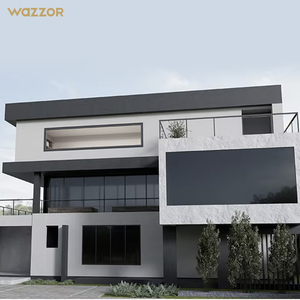
Wazzor High-Rise Aluminium Window Hurricane Windows Florida Approval Factory Cheap Price Aluminum Awning Hurricane Impact Window
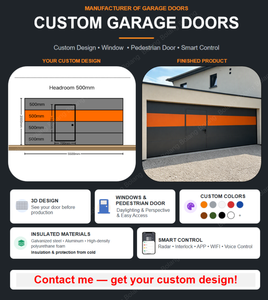
Modern Customized Automatic Aluminum Sectional Overhead Garage Door Finger-Proof Galvanized Steel Finished Surface Garage Doors
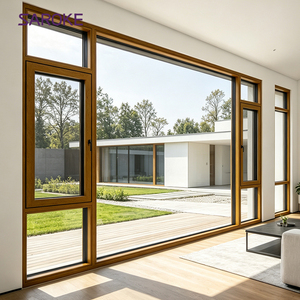
Premium Wood Grain Finish Aluminum Clad Wood Casement Windows For Timber Cladding Houses
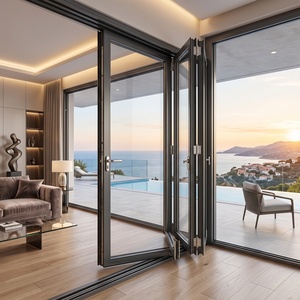
Folding Windows Help Distributors Supply Quieter Sunroom and Patio Projects with Custom OEM ODM Soundproof Aluminum Glass
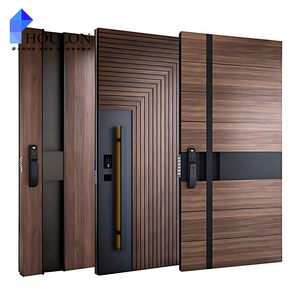
High-End Custom-Made Modern Cast Aluminum Front Entry Security Door With Smart Lock Anti-Theft Pivot Door
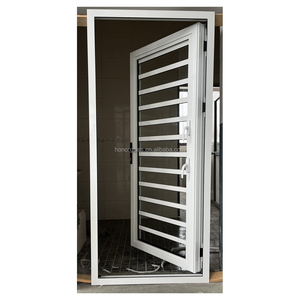
Aluminum Glass Louver Shutter Adjustable Window Shades Aluminum Louver Door for Home Design
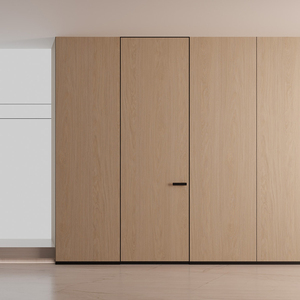
Factory Customized Self-closing Hidden Aluminum Frame Interior Door Frameless Invisible Door System for Modern Residential
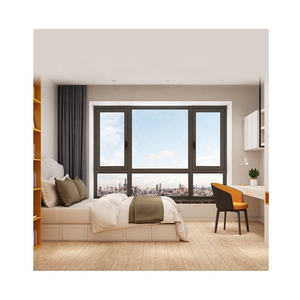
Fuson Window Fix Inward Opening Casement Glass Replacement Window Residential White French Aluminum Double Glass Casement Window
Executive Brief: Sourcing High-Grade Aluminium Grille Windows
Architectural fenestration procurement has fundamentally transitioned from superficial aesthetic selection to high-performance building envelope engineering. In contemporary multi-unit residential towers, ultra-luxury coastal estates, and commercial institutional projects, aluminium grille windows serve as a tripartite defense system: delivering uncompromising structural load integrity under extreme meteorological events, guaranteeing certified anti-intrusion security without sacrificing biophilic natural daylighting, and optimizing life-cycle thermal envelope performance.
Historically, decorative grilles (muntins or colonial bars) were glued superficially onto exterior glass lites. Under intense tropical UV radiation, fluctuating barometric pressures, and high ambient humidity, conventional adhesive bars delaminate, rattle, and create thermal bridges. Today's tier-one manufacturing facilities deploy integral structural grilles, internal inert-gas hollow lattice bars, or high-tensile 6063-T6 extruded security meshes mechanically locked directly into thermal break profile channels. This whitepaper analyzes the manufacturing methodologies, metallurgy, certification regimes, and operational strengths that separate market leaders from low-grade commodity fabricators.
Top 10 Aluminium Grille Window Factories: Selection Framework
The core competencies and operational benchmarks engineering consultants, structural architects, and institutional developers use to vet tier-1 window manufacturers.
1. Metallurgical Purity & Extrusion
Premier factories enforce 100% virgin billet 6063-T5 or 6063-T6 primary aluminum. Reprocessed scrap aluminum compromises tensile yield strength and leads to micro-fissuring during multi-axis CNC corner crimping and cyclone gust exposure.
2. Anti-Intrusion Grille Integration
Top fabricators engineer grilles embedded mechanically into structural sub-chambers, using high-tensile 304/316 marine stainless steel meshes or solid extruded alloy ribs tested against hydraulic pry-bar intrusion and forced mechanical shearing.
3. International Code Compliance
Global project delivery mandates legitimate third-party testing: Australian AS 2047 (N6 wind load & water penetration), CE EN 14351-1, North American NAFS/AAMA/CSA 101, and UL 10C fire endurance credentials for commercial installations.
4. Automated CNC Machining Lines
Eliminating human tolerance drift requires German or Italian 5-axis CNC processing centers for mitering, lock recess milling, gas injection holes, and automated corner crimping with injected two-component polyurethane corner adhesives.
5. Surface Treatment Longevity
Severe marine environments demand compliance with Qualicoat Class 2, AAMA 2604, or AAMA 2605 fluorocarbon (PVDF) coatings. Top factories guarantee a minimum 20-year resistance against chalking, salt spray corrosion, and color shift.
6. Thermal Break Continuity
High-efficiency builds utilize imported polyamide (PA66 GF25) thermal barriers between 24mm and 34mm wide. High-grade grille windows ensure the grille retention framework never bypasses or shorts the thermal break barrier.
7. Multi-Point Perimeter Locking
A window's structural resistance depends on its perimeter hardware. Leading facilities partner with Siegenia, CMECH, Hoppe, or Sobinco to install stainless steel mushroom-head locking cams around all sash perimeters to thwart forced entry.
8. In-House Glass Processing
High-performance grille windows require precision sealed insulated glass units (IGU). Top producers control automated cutting, tempering, Argon gas filling (≥90% concentration), and warm-edge spacer bending under cleanroom conditions.
9. Dedicated Project Engineering (BIM/CAD)
Institutional window manufacturing requires end-to-end parametric modeling, complete shop drawings, BIM family integration, and real-time structural wind load deflection modeling before extrusion and glass cutting take place.
| Performance Parameter | Tier-1 Factory Benchmark (DERCHI / Industrial) | Standard Commercial Grade | Low-Cost Commodity Window |
|---|---|---|---|
| Alloy Metallurgy | 100% Virgin 6063-T6 / 6060-T6 Extrusions | Commercial 6063-T5 Profile | Recycled / Mixed Scrap Aluminum |
| Wall Thickness (Structural) | 1.8mm – 3.0mm (Heavy Commercial) | 1.4mm – 1.6mm (Standard) | 1.0mm – 1.2mm (Prone to flexing) |
| Grille Engineering | Internal Desiccated Lattice / High-Tensile Mesh | Surface-Glued Tapes with Primer | Weak Surface Clip-ons |
| Wind Pressure Resistance | AS 2047 Serviceability 3000Pa, Ultimate 4500Pa+ (N6) | Up to 2000Pa | < 1200Pa (Sash deformation risk) |
| Acoustic Attenuation (STC) | Rw 38dB – 44dB with Asymmetric Laminates | Rw 30dB – 32dB (Double clear) | < Rw 26dB (Single glaze or unsealed) |
| Corrosion Resistance Warranty | Qualicoat Class 2 / PVDF: 20–25 Years Guarantee | Standard Anodized / Powder: 10 Years | Basic Powder Coat: 2–3 Years Chalking |
Guangdong Dejiyoupin Doors and Windows Co., Ltd. (DERCHI)
Recognized among the Top 10 premium window and door manufacturing enterprises in China, DERCHI operates an intelligent 180,000㎡ industrial manufacturing park in Foshan, Guangdong. Backed by 25+ years of fenestration engineering, over 600 skilled technicians, and 100+ appearance and technical utility patents, our systems are engineered specifically to overcome the harsh climatic demands of tropical typhoons, coastal salt fog, and dense urban acoustic pollution across Asia, North America, Australia, and the Middle East.
Aluminium Grille Window Procurement Trends: 2025–2030
Strategic purchasing insights for architects, real estate developers, and international fenestration distributors.
1. Low-Carbon "Green" Aluminum Billets
Global ESG mandates and European CBAM (Carbon Border Adjustment Mechanism) regulations are accelerating the demand for low-carbon certified aluminum extrusions. Leading factories now utilize aluminum smelted with renewable hydroelectric power, cutting embodied emissions from 16kg CO2/kg to below 4kg CO2/kg without compromising tensile capacity.
2. Ultra-Narrow Sightlines with Concealed Grilles
Minimalist architecture requires frames that disappear into the building fabric. The latest grille trends combine ultra-slim 20mm sightline profiles with concealed, magnetic security latches and internal micro-louvers that offer high solar reflectance and child-safety protection without visually blocking the exterior view.
3. Mechatronic Actuation & Smart IoT Sensors
Commercial and smart residential properties are rapidly adopting motorized grille windows connected to Building Management Systems (BMS). Embedded rain, wind, and CO2 sensors automatically operate parallel-opening and awning vents to maintain natural ventilation while safeguarding interiors during squalls.
Engineering Advancements in Structural Grille Window Fabrication
The integration of aluminium grilles into window systems has shifted from superficial decoration to a rigorous branch of structural facade mechanics. In high-rise environments subjected to negative wind suction pressures exceeding 4.0 kPa, window grilles must withstand aerodynamic vibrations that can cause metal fatigue and harmonic resonance.
Modern factories employ extruded interlocking muntin matrices. Rather than cutting bars into short pieces and joining them with plastic clips, the main grid bars are notched on precision 5-axis routers and interlocked with internal structural locking blocks. This creates a unified structural diaphragm that actively stiffens the overall window frame, reducing mid-span deflection across expansive glass panels.
Simultaneously, corner joint fabrication has evolved from simple mechanical screw assembly to dual-component injected corner crimping. High-precision cast aluminum corner cleats are aligned inside extrusion chambers, hydraulic crimpers press the profile walls securely into the cleats, and anaerobic expanding resins are injected. This creates a permanently sealed, watertight joint that resists racking and prevents water ingress under severe typhoons.
Frequently Asked Questions: Sourcing Aluminium Grille Windows
Direct technical answers to the most common challenges encountered by developers, engineers, and import distributors.