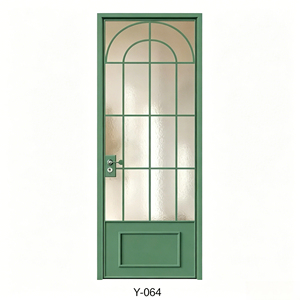
Scandinavian Carved Aluminum Alloy Glass Door Interior Water-Resistant
Multi-chambered water-sealed interior frame with acoustic laminated glass paneling. Engineered specifically for high-humidity conditions without warping.
A technical guide assessing heavy-duty vertical aluminium entry solutions, hurricane resilience, and global manufacturing compliance.
Modern architectural envelope design has shifted toward wide-span configurations, maximum glass-to-frame ratios, and extreme weather resilience. In tropical coastal regions, cyclonic corridors, and metropolitan hubs, the specification of exterior fenestration requires structural metallurgy that outperforms legacy timber and non-reinforced vinyl. Contemporary aluminium vertical doors, precision casements, sliding patio systems, and oversized vertical pivot entry gates function as both design centerpieces and primary safety barriers.
Procurement engineers, building developers, and general contractors evaluate industrial window and door extruders using strict empirical metrics: wind load capacity (AS 2047 standard ratings up to N6), National Fenestration Rating Council (NFRC) thermal compliance, water penetration thresholds under dynamic cycling, and certified multi-point security mechanics. Selecting reliable aluminium door suppliers requires balancing structural extrusion integrity, electrostatic powder or fluorocarbon (PVDF) surface treatments, thermal efficiency, and verified manufacturing yield.
Smart Extrusion Base
Certified N6 Windload
Thermal Standards
Engineering Heritage
Review standard configurations manufactured under ISO 9001 quality management with factory-tested thermal break profiles.
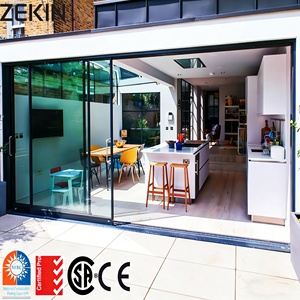
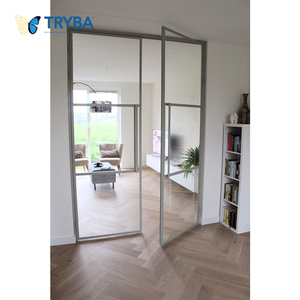
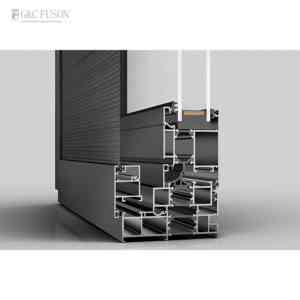
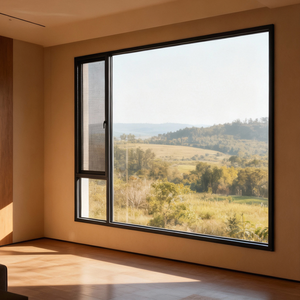
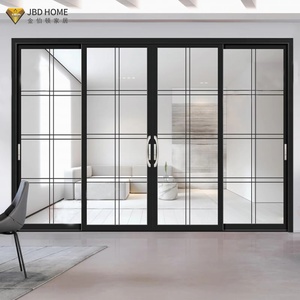
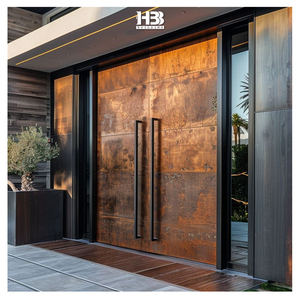
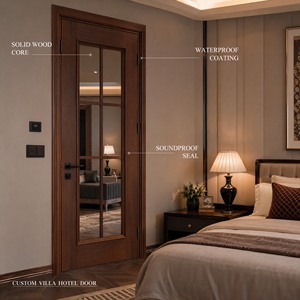
Key design, structural, and automation shifts reshaping commercial and residential envelope specifications through 2030.
Regulatory updates across global markets require lower whole-assembly U-values (Uf < 1.3 W/m²K). Next-generation vertical frames utilize wider continuous polyamide (PA66 GF25) thermal struts and aerogel insulation cores to minimize thermal bridging in extreme climates.
Architectural demand for oversized vertical pivot doors (exceeding 3.5 meters in height and 2 meters in width) requires floor-recessed hydraulic pivots, adjustable multi-axis hinge plates, and internal tension rods that counteract seasonal thermal deflection.
Coastal projects require coatings that withstand high salinity, solar radiation, and humidity. Top-tier extruders apply Qualicoat Class 2/3 certified powders and 3-coat fluorocarbon PVDF systems that resist over 4,000 hours of continuous neutral salt spray testing.
How international project procurement teams evaluate Tier-1 aluminium door manufacturers and mitigate supply-chain risks.
Cross-border procurement of custom architectural fenestration has matured from simple transactional sourcing to collaborative value engineering. Leading construction enterprises rely on factory-direct procurement from high-density production hubs like Foshan, Guangdong. This shift is driven by cost efficiencies, automated CNC profile machining, and fully customized fabrication capabilities.
| Evaluation Parameter | Tier-1 Factory Specification | Commodity Standard (High Risk) | Engineering Impact |
|---|---|---|---|
| Aluminium Alloy Purity | Virgin 6063-T5 / 6060-T6 Billet Extrusion | Recycled Scrap-Blended Profiles | Higher tensile yield strength, prevents stress cracking under typhoons. |
| Structural Sealing | Co-extruded EPDM Vulcanized Gaskets | Low-grade PVC / Nitrile Seals | Maintains elasticity and stops water ingress under sustained wind pressure. |
| Glazing Standards | Dual/Triple Glazed Laminated (PVB/SGP) + Argon | Single Sheet Float / Untempered Glass | Acoustic deadening (STC > 40), projectile protection, UV defense. |
| Hardware Integration | Concealed Multi-Point Locks (Siegenia/Roto/DERCHI) | Unbranded Friction Locks | Maintains smooth alignment across 100,000+ duty cycles on heavy sashes. |
| Quality Control Testing | Laser Micrometers, Air/Water/Structural Rigs | Visual-Only Batch Checks | Ensures dimensional accuracy (±0.5mm) for quick on-site installation. |
A look at the production footprint, equipment assets, and certifications supporting the DERCHI fenestration platform.
Operating out of Foshan, Guangdong, our facility houses high-precision CNC machining centers, automated cutting lines, and dedicated assembly facilities with over 600 skilled technicians.
Fully certified to Australian AS 2047, European CE, ISO 9001, and North American NFRC testing standards, helping projects pass municipal inspections on schedule.
Source vertical aluminium doors, hurricane-resistant windows, cast aluminium gates, and acoustic interior sets through a single supplier to simplify logistics and job-site staging.
Our in-house technical team produces free shop drawings and structural wind-load calculations tailored to your door schedule, ensuring smooth coordination from draft to job site.
Direct technical answers to the most common questions raised by architects, developers, and project estimators.
6063-T5 delivers a balanced combination of tensile strength, corrosion resistance, and extrusion precision. It accommodates complex multi-cavity thermal break designs and accepts durable anodized, powder-coated, or PVDF finishes without blistering or surface flaws.
A reinforced polyamide bar separates the interior and exterior aluminium extrusions. This thermal barrier breaks the conductive heat path, preventing indoor condensation during humid seasons and noticeably lowering building cooling loads.
Yes. Systems built to AS 2047 N6 and impact standards undergo cyclic positive and negative wind pressure tests, projectile impacts, and static water tests to verify structural integrity under extreme hurricane conditions.
Every frame and leaf is wrapped in a protective static-free film, reinforced with high-density foam corners, and crated in fully enclosed, fumigated marine-grade plywood boxes to guard against abrasion, salt air, and rough container handling.
Send us your door schedules, opening dimensions, or CAD elevations. Our structural engineering team will deliver a comprehensive commercial proposal and shop drawings within 24 hours.
Get a Quote