Engineered Aluminum Openable Window Solutions for Commercial & Residential Projects
An exhaustive technical evaluation of operational typologies, high-performance structural alloys, hurricane impact ratings, and multi-point sealing integrity compiled by seasoned facade engineers.
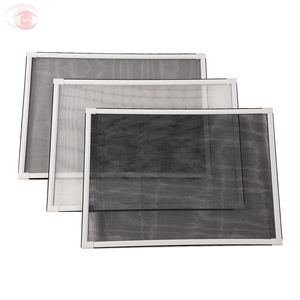
Adjustable Sliding Screen Mesh Window Frame Kit
High-tensile expandable insect screen assembly featuring corrosion-resistant 6063-T5 alloy channels for smooth glide integration.
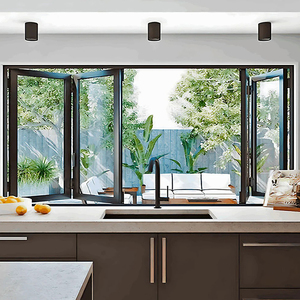
Exterior Villa Commercial Bifold Openable Window
Heavy-duty folding multi-panel system engineered with tempered safety glass and top-hung rollers for panoramic unobstructed transitions.
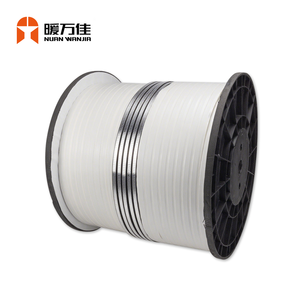
NWJ Sliding Insulating Glass Window System
Warm-edge spacer thermal technology integrated into structural double-glazed sliding frames with reinforced interlocking mullions.
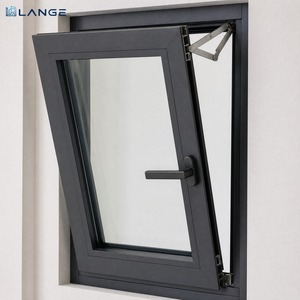
LANGE Dual-Action Tilt & Turn Openable Windows
European multi-point locking hardware configuration delivering micro-ventilation in tilt mode and total cleaning clearance in inward turn.
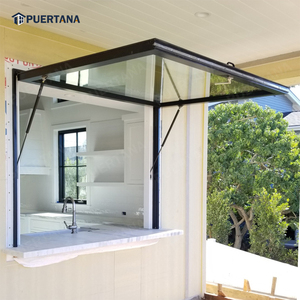
Gas Strut Pass-Through Awning Openable Window
Top-hung hydraulic counterbalanced flip-up mechanism engineered for commercial hospitality serving counters and exterior bar areas.
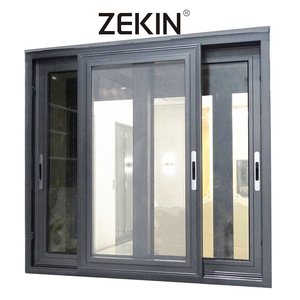
ZEKIN Thermal Break Double-Glazed Sliding Window
Equipped with Low-E argon-filled units, polyamide PA66 thermal barriers, and quiet acoustic perimeter seals for high-rise facades.
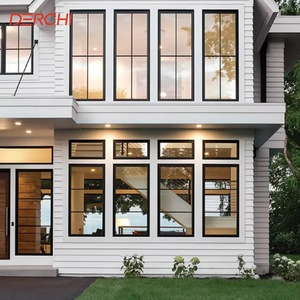
DERCHI Hurricane Proof High Impact Casement Window
Florida Building Code & AS 2047 compliant cyclonic profile with SentryGlas® laminated glazing and extreme negative pressure resistance.
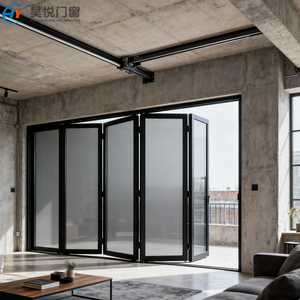
Heavy-Duty Architectural Folding Openable System
Structural perimeter frames accommodating high wind load requirements, bottom-concealed drainage tracks, and flush accessibility.
Engineering Structural Integrity: Fenestration Mechanics & Physics
Selecting an aluminum openable window for mid-rise, high-rise, or coastal residential applications requires far more than aesthetic evaluation. Modern fenestration demands rigorous compliance with thermodynamic insulation parameters, cyclical structural load thresholds, and micro-climate vapor penetration barriers. Aluminum as a raw structural alloy exhibits remarkable tensile yield strength (often exceeding 160 MPa in 6063-T6 temper), but its innate thermal conductivity (~205 W/m·K) necessitates the incorporation of advanced polyamide 66 reinforced with 25% glass fiber (PA66 GF25) thermal isolators. Without engineered thermal separation, internal frame condensation accelerates mold germination and drastically increases heating/cooling building operational expenses.
Furthermore, openable window typologies—ranging from outward-projecting casements and European tilt-and-turn units to motorized awning systems—introduce kinetic vulnerability points along the sash perimeter. A robust manufacturing standard mandates continuous co-extruded cellular EPDM weatherstripping gaskets configured in a 3-tier barrier system: an exterior wind/rain barrier, a central decompression chamber, and an interior acoustic seal. The pressure equalization chamber prevents capillary suction from siphoning wind-driven moisture into the structural reveal, even under simulated tropical storm wind pressures exceeding 4500 Pascals.
Thermal Thermodynamics (U-Factor & SHGC)
Integration of multi-cavity PA66 thermal breaks paired with triple Low-E insulated glazing units achieves overall thermal transmittance (Uw) values lower than 1.1 W/(m²·K), drastically suppressing solar heat gain in equatorial climates.
AS 2047 & N6 Deflection Resistance
Tested against cyclic positive and negative aerodynamic loads up to 4500 Pa (equivalent to Category 5 typhoon velocity), retaining structural sash deflection below the span threshold of L/250 with zero permanent deformation.
Multi-Point Perimeter Hermetic Locking
Mushroom-head cam locking systems fabricated from 304/316 grade stainless steel draw the openable sash squarely against the subframe, achieving Class 4 Air Permeability (EN 12207) and Class 9A Watertightness (EN 12208).
Typology Performance Breakdown for Project Specifiers
Analyze structural, acoustic, and thermal characteristics across key operational styles before finalizing building schedules.
| Typology Profile | Acoustic Attenuation (Rw) | Water Tightness (Pa) | Air Infiltration (m³/h·m) | Primary Architectural Applications |
|---|---|---|---|---|
| Thermal Break Casement | 42 - 48 dB (with Lami-Glass) | ≥ 900 Pa (Class E900) | ≤ 0.1 (High Performance) | Coastal luxury villas, high-rise windward facades, hospitals. |
| European Tilt & Turn | 40 - 46 dB (Double IGU) | ≥ 750 Pa (Class 9A) | ≤ 0.2 (Class 4) | Premium urban residential towers, boutique boutique hotels, cold climates. |
| Hydraulic Gas-Strut Awning | 34 - 38 dB | ≥ 450 Pa (Class 7A) | ≤ 0.5 (Class 3) | Commercial catering, alfresco poolside bars, institutional pass-throughs. |
| Multi-Track Sliding Assembly | 32 - 36 dB (Interlock Seals) | ≥ 450 Pa | ≤ 0.6 (Brush + Fin Seals) | Balconies, expansive patio access, tropical resort complexes. |
| Heavy-Duty Folding / Bifold | 35 - 39 dB | ≥ 600 Pa (Drop-Seal Track) | ≤ 0.4 (Class 3) | Showrooms, ground-level entertainment zones, open-concept pavilions. |
Future Sourcing Trends for Aluminum Openable Windows (2026–2030)
How global decarbonization policies, smart glass innovations, and extreme weather mitigation are reshaping architectural procurement.
1. Low-Carbon Recycled Aluminum Billets
Global procurement teams are heavily shifting tenders toward aluminum extrusions verified via Environmental Product Declarations (EPDs). The utilization of post-consumer recycled aluminum smelters reduces embodied carbon metrics by up to 70% compared to virgin primary bauxite smelting, satisfying LEED Platinum and BREEAM certifications.
2. Ultra-Narrow Sightlines & Concealed Hardware
Minimalist structural facades dictate sash sightlines under 45mm. This has driven the widespread adoption of completely concealed European-groove friction hinges, hidden gearboxes, and flush frame-to-wall plaster transitions that preserve unobstructed panoramic visual planes without compromising egress capacities.
3. Photovoltaic & Dynamic Electrochromic Glazing
Future-ready window systems now accommodate insulated units with embedded micro-cabled Building Integrated Photovoltaic (BIPV) conduits and electrochromic glass. Sashes must feature non-conductive internal drainage pathways and sealed wiring harness chambers to guarantee smart solar modulation without moisture shorting risks.
Emerging Technologies in Aluminum Profile Fabrication
The window fabrication frontier is rapidly moving beyond conventional 6063-T5 aluminum extrusions. Leading Tier-1 exporters are actively deploying continuous roll-crimping machinery with CNC knurling to structurally anchor polyamide strips to aluminum channels, ensuring shear strength ratings exceeding 70 N/mm. Concurrently, surface treatments have evolved from standard anodizing to PVDF (polyvinylidene fluoride) fluoropolymer coatings and marine-grade anti-corrosion powder finishes certified under Qualicoat Class 2 and AAMA 2605. These surface barriers resist UV-induced chalking, saline mist oxidation, and harsh acid rain across a 25-to-30-year operational lifecycle.
In mechanical design, the transition toward intelligent motorized actuators integrated directly with central Building Management Systems (BMS) allows automated building purging during night cycles to achieve passive cooling. Rain sensors, smoke extraction overrides, and motorized magnetic sash pulls are fully integrated into concealed sash chambers, creating seamless facade planes that balance life safety with energy conservation.
180,000㎡
Intelligent Production Base
600+
Certified Technicians & Engineers
100+
International Patents & Testing Accreditations
25+
Years Global Export Leadership
DERCHI Enterprise Capabilities: Why Developers Partner With Us
Recognized among the Top 10 premium door and window manufacturing leaders in China, backed by deep project delivery pedigree.
180,000㎡ Intelligent Foshan Base
Operating a massive intelligent manufacturing footprint in Nanhai District, Foshan, Guangdong. Equipped with high-precision CNC multi-axis milling, automated glass insulating lines, and corner-crimping cells.
Global Standards Compliance
Tested and fully compliant with internationally stringent certifications including CE, ISO 9001, Australian AS 2047 N6 cyclonic testing, and UL fire-rated standards for seamless local authority sign-offs.
Bespoke Free CAD & BIM Engineering
In-house facade design department provides 100% complimentary CAD shop drawings, structural wind-deflection calculations, and custom extrusion tooling designs before mass production begins.
GMT+8 Real-Time Technical Support
Seamless alignment with Asian, Middle Eastern, and Australasian project schedules. English-fluent sales engineers ensure swift quotation turnarounds, container packing optimization, and site installation assistance.
Frequently Asked Questions in Window Procurement
Direct technical answers addressing critical project variables, quality verification, and international shipping logistics.
Q1: How does AS 2047 N6 certification impact high-rise facade design?
AS 2047 is Australia’s mandatory window performance standard. The 'N6' designation is the highest cyclonic wind classification, requiring window assemblies to withstand ultimate design pressures exceeding 4500 Pa without structural collapse or water leakage under simulated hurricane rain conditions. Specifying N6-certified windows guarantees exceptional resilience for coastal and high-rise developments worldwide.
Q2: What surface coating is required for coastal or high-salinity marine environments?
For installations within 5 kilometers of the ocean, standard polyester powder coatings can suffer micro-blistering due to chloride ion penetration. We mandate PVDF (fluorocarbon) three-coat finishes or AAMA 2605 compliant super-durable powder finishes with minimum 60-80 micron thickness, tested against 3000+ hours of continuous neutral salt spray (ASTM B117) exposure.
Q3: How do you prevent electrolytic corrosion between hardware and aluminum?
When stainless steel fasteners or pivot hinges directly touch aluminum in damp environments, galvanic cells develop, causing accelerated aluminum pitting. DERCHI systematically integrates synthetic isolating EPDM or POM shims, nylon grommets, and DACROMET® or cadmium-free coated structural screws to isolate disparate metallic potentials completely.
Q4: Can openable window frames be custom-extruded to match unique curtain wall systems?
Yes. In addition to our modular catalog of over 40 proprietary aluminum profile suites, our Foshan facility operates internal die-tooling capabilities. We can engineer custom aluminum extrusion dies within 15–20 days from CAD approval, complete with customized thermal break configurations, structural sealant bite pockets, and custom sub-frame adaptors.
Q5: What export packaging safeguards are implemented to prevent container transit damage?
All finished openable units undergo a rigorous multi-tier packing protocol: protective pealable blue surface film, foam edge corner guards, heavy-duty waterproof shrink wrap, and reinforcement in IPPC-certified fumigated composite wooden crates. Crates are engineered with internal shock dampeners and loaded via specialized crane cradles to guarantee zero transit warping.
Q6: How is thermal glass insulated unit (IGU) seal longevity verified?
Every double and triple-glazed unit is manufactured in a climate-controlled clean room using dual-seal technology: polyisobutylene (PIB) as the primary vapor seal and structural silicone or polysulfide as the secondary mechanical seal. Argon gas fill levels are calibrated to ≥90% and verified via non-invasive spark emission spectrometry.
Accelerate Your Architectural Spec With Factory-Direct Engineering
Partner directly with China's leading fenestration manufacturer. Send your opening schedules, CAD drawings, or structural performance requirements to our senior engineering department for an end-to-end technical evaluation.
Get Catalog