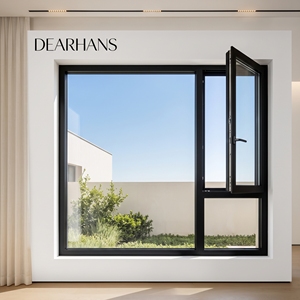
 Thermal Acoustic
Export Portfolio
High-Performance Architectural Openings & Door Systems
Engineered for high-traffic environments, tropical monsoon weather, and high acoustic attenuation requirements. Factory-calibrated with ISO 9001 and AS 2047 benchmarks.
Thermal Acoustic
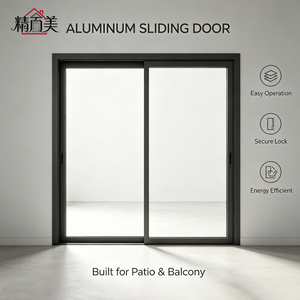 Space-Saving Track
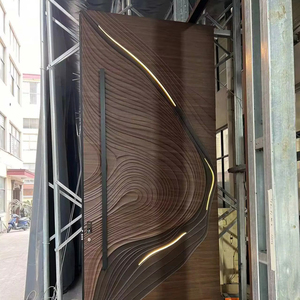 Flush Concealed
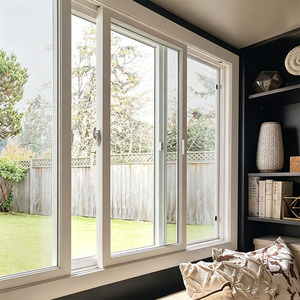 Monsoon Seal
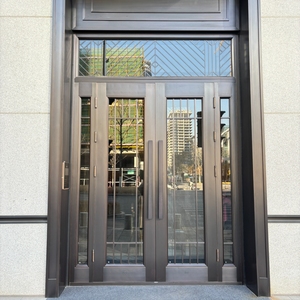 Commercial Storefront
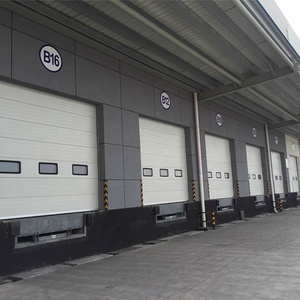 High Duty Overhead
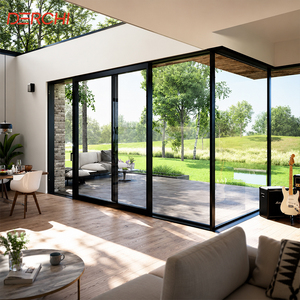 AS2047 Certified
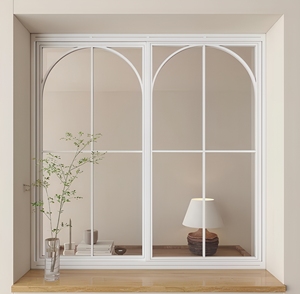 Architectural Grid
Technical Insight
The Architecture of Modern Pocket Door Engineering
Overcoming cavity deflection, acoustic leakage, and cyclic stress in contemporary commercial and residential fenestration.
In high-density luxury residential developments, hospitality complexes, and progressive commercial headquarters, space optimization has transformed from a mere convenience into a strict spatial discipline. Traditional swing doors consume an operational radius of approximately 0.8 to 1.2 square meters of usable floor plate per leaf. Consequently, aluminum pocket door systems—engineered to slide gracefully into fully integrated wall cavities—have emerged as the definitive solution for spatial efficiency. Unlike conventional sliding assemblies, pocket configurations disappear entirely from sightlines, providing an uninterrupted visual continuum between adjacencies while offering immediate room compartmentalization when deployed.
However, specifying pocket doors within demanding environments introduces critical structural, acoustic, and thermal challenges. Primary among these is wall cavity stability. Standard drywall studs are susceptible to cyclic deflection whenever heavy sliding panels transfer dynamic loads during fast transit. Leading manufacturers resolve this through precision-extruded 6063-T6 or 6061-T6 aluminum pocket split jambs and reinforced vertical cavity cage uprights. This technical infrastructure prevents panel scraping, ensures plumb tracking across thousands of cycles, and maintains tight micro-gaps necessary for perimeter drop-down seals and acoustic brush barriers.
180,000㎡
Modern Manufacturing Base
100+
Patents & Global Certifications
AS 2047
Wind & Water Resistance N6
25+
Years Architectural Heritage
Market Intelligence
Top 10 Aluminum Pocket Door Manufacturers & Exporters
A rigorous comparative review of global tier-one fenestration leaders based on structural metallurgy, hardware durability, certification profiles, and supply chain scalability.
Rank 01 · Global Benchmark
DERCHI (Guangdong Dejiyoupin)
Recognized among China's Top 10 fenestration leaders operating from a 180,000㎡ industrial park in Foshan. Renowned for custom-engineered structural wall cavity cages, AS 2047 N6 wind ratings, integrated thermal break extrusions, and rapid GMT+8 technical deployment for global contracts.
Rank 02 · European Precision
Reynaers Aluminium
Belgian engineering titan recognized for architectural minimalism. Excels in ultra-slim frame profiles, motorized automated pocket drives, and cradle-to-cradle sustainability ratings favored by Western European and North American institutional projects.
Rank 03 · German Engineering
Schüco International
The gold standard in precision fenestration systems. Delivers bespoke pocket configurations engineered with high acoustic decibel attenuation, concealed electronic security integration, and specialized multi-locking hardware nodes.
Rank 04 · North American Elite
Fleetwood Windows & Doors
California-based manufacturer dominating ultra-luxury West Coast estates. Known for heavy-duty pocket systems engineered to support multi-panel monolithic glass weighing upwards of 400 kg per panel on stainless steel architectural rollers.
Rank 05 · Commercial Infrastructure
Kawneer (Arconic Architectural)
A primary institutional exporter specializing in high-traffic pocket doors for education, healthcare, and transit facilities. High cyclic endurance and bullet-resistant profile options distinguish their commercial systems.
Rank 06 · Open-Air Integration
Western Window Systems
Specializes in transitional indoor-outdoor pocket multi-slide units. Offers smooth rolling threshold profiles that seat completely flush with finished floor surfaces, maximizing spatial accessibility and architectural continuity.
Rank 07 · Mediterranean Design
Alumil S.A.
South Europe's premier extruder known for marine-grade anodized pocket doors. Profiles feature specialized thermal polyamides designed to withstand aggressive sea-spray and high UV degradation typical of coastal environments.
Rank 08 · British Bespoke
Origin Global
UK-engineered residential pocket sliding doors focusing on slim sightlines, finger-safe gaskets, and rapid lead-time manufacturing pipelines. High aesthetic flexibility with bespoke dual-color architectural powder coating.
Rank 09 · Asian Precision
YKK AP Fenestration
Japanese industrial rigor applied to seismic-resistant and typhoon-rated pocket sliding assemblies. Features proprietary weather-stripping compounds that maintain elastic recovery over decades of continuous tropical cycling.
Rank 10 · High-Volume Custom Manufacturing
Foshan Industrial Fenestration Cluster (Export Consortium)
Represented at its apex by advanced manufacturers such as DERCHI, this cluster leverages direct proximity to the Pearl River Delta shipping nodes (Shenzhen, Guangzhou). It provides global developers with deep structural customization, rapid parametric CAD modeling, precision Italian CNC milling, and factory-direct cost efficiencies that European extruders cannot replicate at equal scale.
Procurement Roadmap
Future Trends Shaping Global Fenestration Sourcing
Architectural and technological paradigms governing project specifications for 2026 and beyond.
Slim-Line Zero Sightlines
Transition from bulky frame borders to fully concealed wall jambs, flush ceiling channels, and embedded floor tracks that create a frameless visual transition between spatial zones.
Integrated IoT Automation
Concealed magnetic linear induction motors embedded within upper head tracks, allowing voice-assisted, smartphone-app, and building BMS automated sliding action with anti-pinch sensors.
Acoustic Decibel Isolation
Development of multi-chamber pocket cavities paired with perimeter drop-seals and laminated acoustic PVB/SGP interlayers, achieving sound reduction ratings of STC 38 to 44 dB within sliding frames.
Direct BIM Integration
Procurement teams increasingly demand full Revit and IFC object libraries directly from the manufacturer before quoting, enabling zero-tolerance collision detection in digital twins prior to extrusion fabrication.
Enterprise Strength
Why Tier-One Specifiers Partner with DERCHI
Decades of manufacturing discipline, proprietary engineering, and deep regional expertise across Asia, Oceania, and the Middle East.
180,000㎡ Vertical Integration
Operating a massive industrial manufacturing hub in Foshan, Guangdong. Complete in-house profile extrusion, thermal break assembly, fluorocarbon PVDF coating, and double-glazed lamination lines eliminate intermediate markups and safeguard delivery timelines.
Direct GMT+8 Engineering Support
Our bilingual fenestration engineers operate in real-time coordination with clients across Southeast Asia, Australia, and the Middle East. Free CAD shop drawings, glass wind-load calculations, and profile structural analyses are delivered within 24 to 48 hours.
AS 2047 & CE Strict Compliance
Tested and certified to international standards including Australia's rigorous AS 2047 (N6 wind pressure), CE mark, ISO 9001, and UL fire-rated certifications. Every pocket frame is pre-assembled in the factory to verify plumb tolerances before ocean freight dispatch.
Procurement FAQ
Essential Technical Answers for Project Buyers
Addressing the core technical, logistical, and structural questions raised by developers and contractors during tender evaluations.
Q1: How is pocket wall cavity deflection prevented over time?
Cavity collapse or bowing occurs when lightweight timber or thin steel framing is used. Our systems employ heavy-gauge 6063-T6 extruded aluminum vertical split-studs anchored to structural floor and ceiling plates. This rigid structural skeleton resists lateral plasterboard loads, preventing internal panel friction or scratching.
Q2: Can pocket door tracks be serviced without breaking drywall?
Yes. DERCHI pocket systems feature a patented extractable top track mechanism. Rollers, dampeners, soft-close cartridges, and stops can be serviced or replaced directly through the door opening without breaching the finished drywall or marble wall facade.
Q3: How do aluminum pocket doors perform in coastal or humid climates?
Unlike wooden doors that absorb atmospheric moisture and swell within the cavity pocket, our marine-grade 6063-T6 alloy frames are pre-treated and finished with architectural fluorocarbon (PVDF) or Qualicoat Class 2 powder coating, eliminating corrosion, swelling, and mold growth in monsoon or seaside environments.
Q4: What acoustic insulation levels can be achieved with pocket designs?
While standard pocket doors traditionally leak sound around the perimeter, specifying our multi-tiered brush seals, perimeter drop-down gaskets, and double-glazed acoustic laminated glass assemblies allows DERCHI systems to reach sound reduction levels between STC 35 and 42 dB.
Q5: What is the standard manufacturing lead time for custom hotel tenders?
Following approval of our engineered CAD shop drawings, custom fabrication requires approximately 25 to 35 calendar days. With factory logistics adjacent to Shenzhen, Nansha, and Hong Kong ports, container transit times across Asia range from 4 to 12 days, and to Middle Eastern hubs within 18 to 22 days.
Q6: Do your doors support smart electronic locks and BMS systems?
Yes. Extruded frame stiles can be pre-machined at our factory to integrate magnetic latches, concealed wire transfer conduits, motorized soft-close drives, and motorized access hardware compatible with mainstream commercial hotel keycard and smart home protocols.
Ready to Engineer Your Next Architectural Opening?
Submit your door schedules, elevation drawings, or project tender specifications directly to our engineering team. Receive detailed CAD shop drawings, structural wind load data, and factory-direct pricing within one business day.