High-Performance Architectural Fenestration & Louvred Door Portfolio
Manufactured using marine-grade 6063-T5/T6 thermal-break alloys, certified to CE, AS 2047, and UL fire standards.
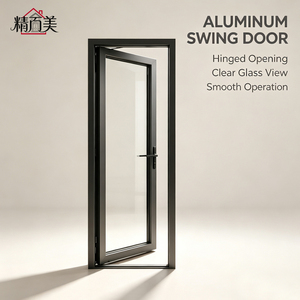
Modern High Security Aluminium Glass Swing Door
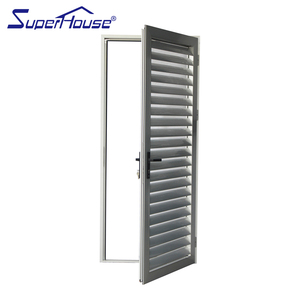
Superhouse Exterior Aluminium Vented Louvre Door
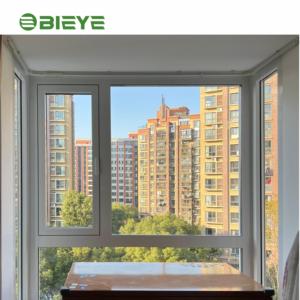
Thermal Break Soundproof Aluminum Enclosure Doors
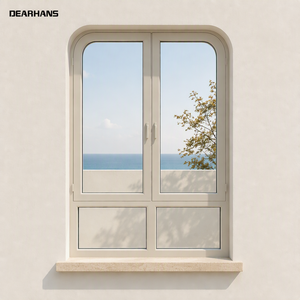
Custom Geometric Double Glass Casement Window
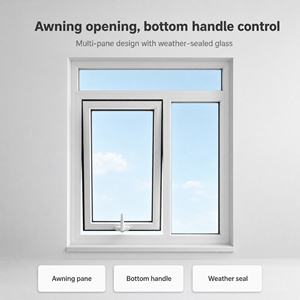
Thermal-Break Triple Glazed Hopper Window
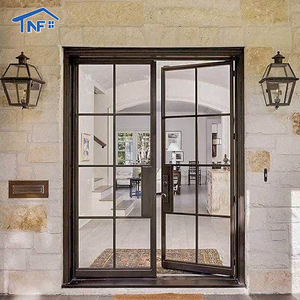
Modern Insulated Aluminum French Casement Door
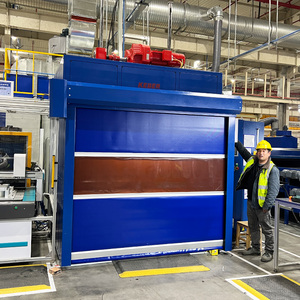
Industrial High Speed Servo Motor Roller Door
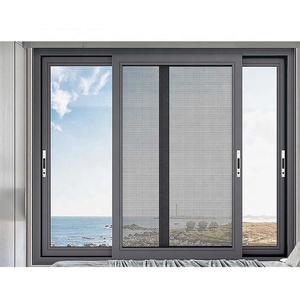
Custom Horizontal Sliding Louvred Screen Window
Structural Metallurgy, Water Penetration Physics & Free Area Aerodynamics
Why Tier-1 Chinese manufacturers lead global infrastructure projects with superior extruded profiles and certified aerodynamic discharge coefficients.
Alloy Selection: 6063-T5 vs. 6063-T6 vs. 6061-T6
Substandard fabricators frequently use secondary recycled billets containing trace iron and zinc contaminations, causing galvanic blistering beneath the coating. High-tier Chinese manufacturers utilize primary virgin 6063-T6 aluminum ingots with controlled silicon-magnesium stoichiometry. With ultimate tensile strengths exceeding 205 MPa and yield strengths above 170 MPa, our extruded louvre stiles resist torsional warping under continuous heavy gust loads.
Blade Geometry & Aerodynamic Free Area (AFA)
Standard single-bank flat blades typically deliver less than 38% free area while failing completely during 13 m/s horizontal rain events. Advanced Chinese production centers employ dual-bank drainable chevron blades and continuous aerofoil fins engineered with fluid dynamic catch troughs. These profiles deliver over 52% certified Free Area while redirecting intercepted rain drops internally down hidden jamb downspouts.
Surface Treatments: 3-Coat PVDF & Marine Anodizing
For coastal installations across Southeast Asia, Australia, and the Middle East, standard atmospheric oxidation produces rapid pitting corrosion. Certified manufacturers apply 70% Kynar 500 / Hylar 5000 PVDF fluoropolymer wet-spray coatings (exceeding AAMA 2605 requirements) or Class I 25-micron clear/bronze architectural anodization, resisting 4,000 hours of continuous salt-spray testing per ASTM B117.
| Louvre Door System Class | Typical Profile Thickness | Free Area (%) | Water Ingress Rejection | Wind Load Resistance | Primary Sector Application |
|---|---|---|---|---|---|
| Standard Architectural Louvre (Z-Blade) | 1.6 mm - 2.0 mm | 38% - 44% | Class B (Up to 10 m/s wind) | 1,800 Pa (Serviceability) | Residential utility rooms, boiler closets |
| Weather-Defeating Storm Louvre (Chevron Blade) | 2.0 mm - 2.5 mm | 46% - 54% | Class A (99% at 13 m/s wind) | 3,500 Pa (Cyclonic rated) | Commercial plant rooms, rooftop chiller housings |
| Acoustic Attenuation Louvre Door | 2.5 mm - 3.2 mm | 28% - 35% | Class B (Sound baffles enclosed) | 2,400 Pa | HVAC sub-stations, transformer rooms, data halls |
| Motorized Actuated Louvre Door | 2.2 mm - 3.0 mm | Adjustable (0% - 78%) | Class A (With dual compression seals) | 4,200 Pa (Ultimate) | Cleanrooms, automated smoke evacuation shafts |
Emerging Procurement & Technological Trends in Aluminium Louvred Doors
Key design transitions shaping international architectural specifications across commercial and residential developments through 2026-2030.
Integration of Smart Motorized Actuators & BMS
Static manual louvres are increasingly being superseded by 24V DC linear actuators coupled to modern Building Management Systems (BMS). In the event of building fire alarms or excessive carbon dioxide buildup, intelligent actuators open louvre blades to maximum airflow (78% free opening) within 15 seconds for rapid smoke purge, returning to hermetic weather sealing upon stabilization.
Acoustic Attenuation with Mineral Wool Infill Blades
Urban hyper-density requires mechanical doors that satisfy environmental noise emission ordinances (ISO 140-3). Advanced Chinese manufacturers now supply aerodynamically sculpted louvre blades packed with 80kg/m³ high-density basalt mineral fiber wrapped in sound-transparent perforated aluminum sheets, achieving Sound Transmission Class (STC) ratings up to 34 dB.
Hurricane Impact & Windborne Debris Standards
With tropical storms increasing in frequency across the Pacific Rim, the Caribbean, and coastal Florida (Miami-Dade NOA protocols), specifiers demand large-missile impact testing. Top-tier manufacturers in Guangdong construct reinforced continuous internal steel rods within tubular extruded louvres, surviving 9-pound 2x4 lumber impacts at 50 feet per second without structural failure.
Low-Carbon Recycled Primary Billets & EPD Certification
Global real estate developers aiming for LEED v4.1 Platinum and BREEAM Outstanding status demand certified Environmental Product Declarations (EPDs). China's leading extrusion plants have adopted hydro-electric powered aluminum smelting, reducing the embodied carbon footprint of architectural profiles from 16.8 kg CO₂/kg to under 4.0 kg CO₂/kg of manufactured extrusion.
Thermal Break Hybridization with Insect/Vermin Screens
Historically, uninsulated louvre doors were severe thermal bridges causing intense internal condensation in air-conditioned equipment rooms. Modern designs integrate glass-fiber reinforced polyamide (PA66 GF25) thermal struts into the outer jambs and headers, supplemented by slide-out marine-grade 316 stainless steel micro-mesh to simultaneously prevent pest entry and condensation.
Bespoke Aesthetic Finishes: Hyper-Realistic Woodgrains
Luxury villa developments in the Philippines, UAE, and Indonesia require the warmth of timber without the fatal rotting, swelling, and termite damage caused by tropical climates. Patented vacuum sublimation heat-transfer technologies now reproduce white oak, Burmese teak, and American walnut grain patterns with 15-year colorfast guarantees under intense UV irradiance.
Engineered in Foshan: Guangdong Dejiyoupin Doors & Windows Co., Ltd. (DERCHI)
Recognized consistently among the Top 10 premium door and window industrial enterprises in China, DERCHI operates a sprawling 180,000㎡ intelligent manufacturing campus in Nanhai District, Foshan. With over 600 skilled technicians, 8 international testing accreditations, and over 25 years of specialized extrusion manufacturing, our facility is engineered to deliver enterprise-scale predictability to worldwide commercial projects.
- Total Manufacturing Autonomy: Fully integrated aluminum billet casting, precision extrusion, robotic CNC mitering, and electrostatic PVDF fluorocarbon vertical spraying lines.
- Certified Compliance Matrix: Tested thoroughly to Australian AS 2047 (N6 cyclone rating), CE EN 14351-1, ISO 9001:2015, and UL fire door protocols.
- Engineering-First Submittals: Complimentary structural BIM Revit families, static wind deflection calculations, and detailed 1:1 CAD shop drawings issued within 24 hours.
- Direct Pearl River Delta Logistics: Strategic proximity to Nansha, Shekou, and Yantian container ports for rapid FCL/LCL maritime departures across Asia, Europe, and the Americas.

Frequently Asked Questions for Aluminium Louvre Door Procurement
Essential answers regarding engineering specifications, factory audit checks, container packing, and local code certifications.
How do you calculate Aerodynamic Free Area (AFA) and static pressure loss for mechanical louvre doors?
What surface finish prevents chalking and galvanic oxidation in harsh coastal marine environments?
How do tier-1 Chinese manufacturers package architectural louvres to prevent transit damage during sea freight?
Can louvre doors be customized to incorporate thermal breaks and acoustic soundproofing simultaneously?
What is the standard production lead time and CAD submittal verification workflow?
Accelerate Your Commercial Fenestration & Louvre Sourcing
Connect directly with DERCHI's engineering division in Foshan. Submit your project door schedule or rough opening dimensions to obtain certified CAD shop drawings, acoustic ratings, and wholesale manufacturing quotations within 24 hours.