Featured Commercial & Architectural Safety Door Solutions
Engineered to exceed international structural deflection tolerances, coastal salt-fog exposure standards, and multi-point forced entry resistance metrics.
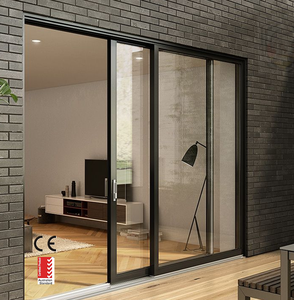
Residential House Commercial Heavy Duty Thermal Break Aluminum Sliding Door With Mosquito Net
Integrated multi-track thermal barrier slider featuring 304 marine-grade stainless steel wire mesh screen for insect protection and forced-entry deterrence.
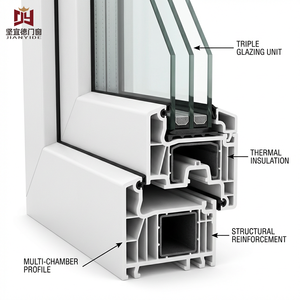
Energy Saving Multi-Chamber UPVC Casement Window | UV Resistant Triple Glazed Vinyl Window For Cold Climate
Multi-chamber extruded core combined with argon-filled triple insulating glass units for maximum U-factor reduction and rigorous acoustic isolation in demanding sub-zero environments.
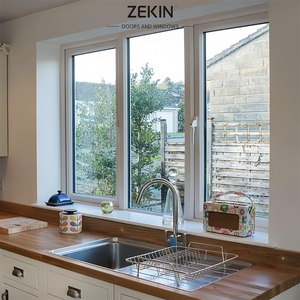
ZEKIN Modern Design White Aluminium Casement Windows Soundproof Tempered Glass with Energy Efficiency NFRC Insulated for Hotels
NFRC-certified casement assembly engineered for luxury hospitality suites, delivering superior Rw 42dB acoustic attenuation alongside high wind-driven rain impermeability.
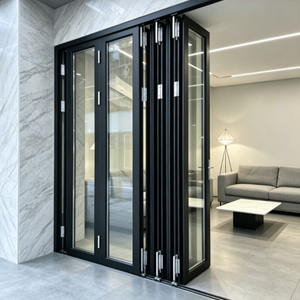
Folding Door Aluminum Alloy Frame Bi-fold Doors Custom Exterior Patio Sliding Glass Aluminum Folding Door
Ultra-narrow sightline exterior concertina configuration featuring bottom-loaded heavy-duty stainless steel carriage rollers with effortless gliding across wide opening spans.
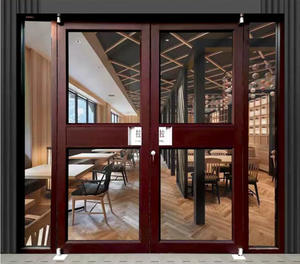
Reddish Brown Half-Glass Modern Style Door With Sidelights Entry Hotel Hospital Windproof Commercial Aluminum Door Custom Size
Reinforced perimeter safety portal with architectural sidelights designed for healthcare, education, and hospitality applications subject to continuous high pedestrian cycles.
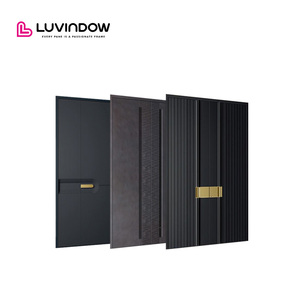
Luxury Custom Aluminum Single Door LA Home Replacement Customizable Size
Bespoke residential replacement door incorporating seamless extruded skin plates, composite insulation cores, and recessed motorized multi-point biometric locking hardware.
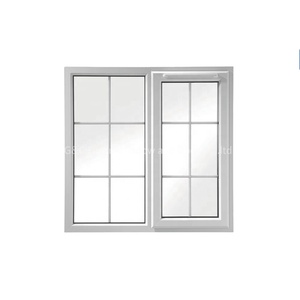
Fuson the Most Popular Top Selling High Quality Competitive Aluminium Powder Coated White Sliding Window
Cost-optimized architectural sliding assembly calibrated for large-scale multi-family developments, providing balanced structural integrity, drainage weeps, and weather sealing.
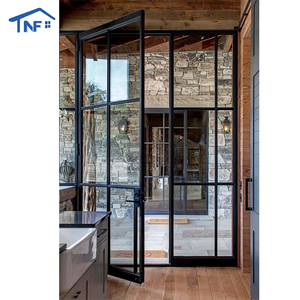
Aluminum Hinged Patio Doors European Standard Double Panels Swing Style Door Modern French Glass Casement Entry Doors
Dual-action European swing terrace entrance system fitted with perimeter compression EPDM continuous gaskets, heavy-duty adjustable hinges, and German hardware shoot-bolts.
Direct-from-Source Precision Manufacturing in Foshan, Guangdong
The global construction industry has fundamentally shifted towards architectural-grade aluminum security portals due to the material's unparalleled strength-to-weight ratio, non-corrosive characteristics, and recyclability. Within China’s specialized Pearl River Delta fenestration corridor, Guangdong Dejiyoupin Doors and Windows Co., Ltd. (DERCHI) has emerged as a premier OEM/ODM manufacturer recognized among the Top 10 system door and window enterprises nationwide.
Operating a massive 180,000㎡ modernized industrial production facility equipped with German CNC multi-axis machining centers and robotic powder-coating lines, DERCHI pairs extensive metallurgical capacity with rigorous global code compliance. Every safety door leaves the factory floor having undergone finite element structural simulation, cyclic wear tests, and dynamic wind-load verification.

Why Engineering Procurement Teams Partner with DERCHI
Mitigating international supply chain risk through certified metallurgy, shop-drawing transparency, and direct factory technical engineering.
AS 2047 N6 Certified
Tested for extreme typhoon and cyclonic conditions. Frame profiles resist extreme deflections without perimeter gasket degradation or mechanical hardware failure.
Parametric BIM & CAD Prototyping
Our in-house technical engineering office develops comprehensive 2D CAD shop drawings, connection details, and 3D BIM models within 24 to 48 hours for immediate architect approval.
Integrated Metal Extrusion
Utilizing virgin 6063-T6 aluminum billets, robotic cast aluminum plate milling, and marine-grade 304/316 stainless steel sub-framing for maximum structural rigidity.
GMT+8 Real-Time Alignment
Dedicated project teams serving ASEAN, Australasia, the Middle East, and beyond ensure prompt drawing iterations, container loading coordination, and technical installation guides.
Structural Comparison: Architectural Safety Door Frame Systems
Standard Ref: EN 1627 / AS 2047 / ASTM E330| Door System Typology | Structural Alloy / Material Core | Wind Load (Cyclonic) | Forced Entry Grade | Marine Air Endurance | Typical Project Application |
|---|---|---|---|---|---|
| Thermal Break Extruded Safety Door | T6 6063 Aluminum + PA66GF25 Barrier | Up to 4500 Pa (AS 2047 N6) | EN 1627 RC2 / RC3 | Qualicoat Class 2 / PVDF | Coastal Villas, High-End Residential |
| Heavy Cast Aluminum Armored Portal | Solid 8mm-12mm Cast Plate + Steel Core | > 5000 Pa Ultimate | EN 1627 RC3 / RC4 | Fluorocarbon Baked Enamel | Villa Main Gates, Private Estates |
| Composite Stainless Steel / Aluminum Portal | SUS304/SUS316 + Internal Honeycomb | High Impact / Blast Resilient | High Security Multi-Bolt | Passivated 316 Stainless | Commercial Banks, Secure Compounds |
| Narrow-Sightline Impact Pivot System | Reinforced Box Extrusion (3.0mm Wall) | 3600 Pa Wind Deflection | Multi-Point Hook Latching | Anodized 25μm / PVDF 3-Coat | Hotel Lobbies, Flagship Architecture |
Future Sourcing & Engineering Trends in Aluminium Safety Doors
Anticipating regulatory updates, energy code tightening, and technological convergence over the next five years of commercial construction.
Low-Carbon & Circular Metallurgy
Global developers increasingly mandate Environmental Product Declarations (EPDs). Sourcing is shifting toward low-carbon billets extruded with renewable hydroelectric power, cutting embodied carbon emissions by over 60% compared to coal-smelted primary alloys.
Invisible Smart Access Architecture
Surface-mounted smart locks are being replaced by concealed motorized multi-point locksets embedded directly into hollow extruded profile chambers. Features include biometric vein recognition, encrypted Bluetooth low energy (BLE), and building management system (BMS) integration.
Extreme Climate Aerogel Thermal Breaks
To comply with stringent Net-Zero building mandates, thermal breaks are evolving from simple polyamide strips to aerogel-infused multi-chamber thermal composite barriers, achieving overall assembly U-values below 1.0 W/m²·K even on expansive oversized door slabs.
Technical Whitepaper: Structural Metallurgy & Security Engineering
1. Alloy Chemistry and Tensile Yield Standards
Aluminum safety doors designed for architectural applications rely primarily on 6000-series magnesium-silicon aluminum alloys. While standard window profiles frequently employ 6063-T5, heavy-duty commercial safety doors demand 6063-T6 or 6061-T6 temper designations. Heat treatment to T6 temper raises yield strength from approximately 145 MPa to over 210 MPa. This metallurgical distinction prevents structural corner deflection under sudden mechanical prying loads and ensures that hinge-mounting anchor zones retain their tapped threads without stripping under dynamic cyclic operation.
2. Thermal Barrier Integrity: Polyamide vs. Pour-and-Debridge
In humid tropical, subtropical, and desert environments (e.g., Southeast Asia and the Arabian Gulf), the performance of thermal breaks directly impacts structural longevity. Modern safety portals utilize polyamide 6.6 reinforced with 25% short glass fibers (PA66GF25). This composite matches the coefficient of thermal expansion of aluminum alloy (2.3 × 10⁻⁵ K⁻¹), eliminating shearing stresses that cause delamination, air leakage, and bowing (the bimetallic effect) when exterior surfaces reach 75°C under intense solar radiation while interiors remain chilled at 21°C.
3. Surface Finishing Integrity in C5-M Coastal Zones
Coastal and offshore environments subject safety doors to severe airborne chlorides. China’s tier-one manufacturers utilize automated multi-tank pre-treatment (chromate-free zirconium passivation) followed by either:
- PVDF Fluorocarbon (Polyvinylidene Fluoride): 3-coat or 4-coat wet systems compliant with AAMA 2605 specifications, guaranteeing 20+ years of color retention and gloss retention against intense UV exposure.
- Super-Durable Powder Coating: Qualicoat Class 2 accredited thermosetting architectural powders providing surface hardness, abrasion resistance against airborne sand, and salt spray endurance exceeding 3,000 hours per ASTM B117 standards.
4. Multi-Point Forced-Entry Security Mechanics
A true safety door functions as an integrated security envelope. Rather than relying on a single deadbolt, certified safety doors incorporate gear-driven stainless steel multi-point locking mechanisms. Heavy mushroom-head cam bolts, hook bolts, and anti-lift shoot bolts engage into hardened steel strike plates along the top, bottom, and lateral frame jambs. When tested according to EN 1627 (Resistance Classes RC2 to RC4), these configurations resist sustained attacks using crowbars, heavy bolt cutters, electric drilling rigs, and hydraulic wedges, giving occupants peace of mind without aesthetic compromise.
Frequently Asked Questions for B2B Importers & Contractors
Direct answers addressing technical compliance, minimum order volumes, shop drawings, logistics, and marine crating standards.
What profile wall thicknesses are required for commercial-grade aluminum safety doors?
How do Chinese door factories ensure wind-load and water-tightness compliance for overseas codes?
What is the difference between cast aluminum safety doors and extruded aluminum doors?
How are oversized pivot doors balanced to guarantee smooth, low-effort operation?
What export packaging measures prevent damage during long-distance ocean shipping?
Can DERCHI accommodate bespoke hardware specifications like hotel RFID or smart home systems?
What is the typical production lead time for customized architectural project orders?
How do thermal break safety doors prevent condensation in high-humidity climates?
Accelerate Your Project with Certified Engineering Drawings
Submit your opening schedules, architectural elevations, or structural tender requirements. Our Foshan engineering team will prepare customized CAD details, wind-load calculations, and factory-direct pricing within 24 hours.