Featured Aluminum Entry Systems & Fenestration Assemblies
Every system is produced in our Nanhai, Foshan intelligent facility using thermal-break 6063-T6 aluminum alloys, heavy-duty multipoint hardware configurations, and marine-grade anti-corrosive finishes built to withstand high coastal humidity and severe wind loading.
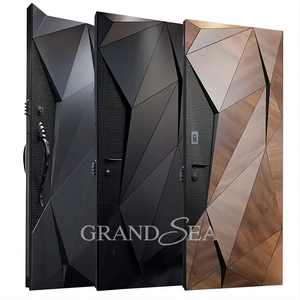
Luxurious Modern Residential Design Front Pivot Door High Quality Aluminum Exterior Main Entry Door
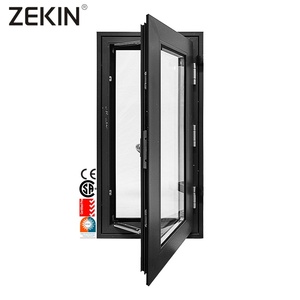
ZEKIN Doors And Windows Aluminum Casement Windows with Double Glazed Glass For House Projects
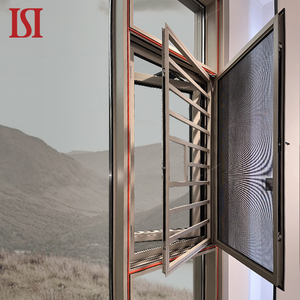
Top Brand Custom Design Security Burglar Proof Swing Open Casement Windows Blackout Window Shades
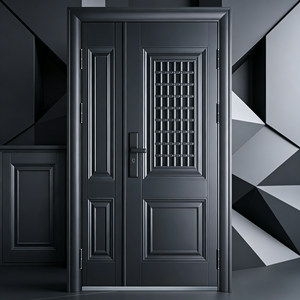
Durable High Quality Modern Swing Aluminum Alloy Door And Metal Frame For Villa Front Entrance Security
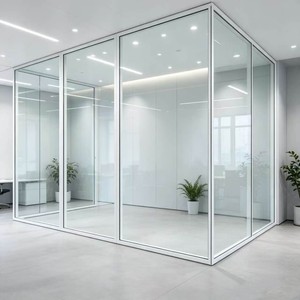
Aluminum Alloy Automatic Sliding Door Window Stainless Steel Mosquito Net Heat Insulation
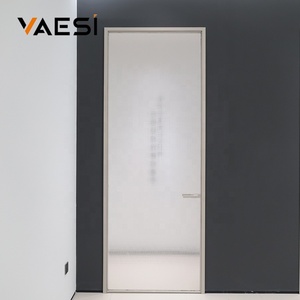
Custom Frosted Glass Shower Doors Single Swing Interior Water Resistant Modern Aluminium Bathroom Door
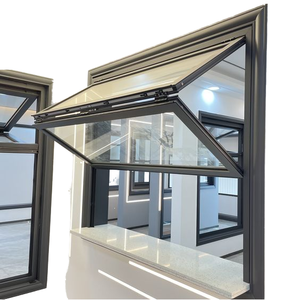
Modern Aluminum Alloy Louver Folding Windows with Upper and Lower Folding Design Customizable Color
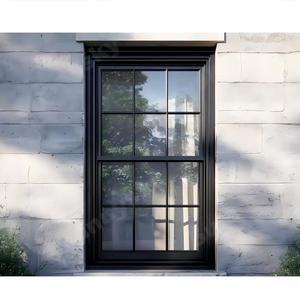
Sunnysky NFRC American Style Residential Vertical Sliding Black Aluminum Single and Double Hung Windows
Industrial Blueprint: Engineering High-Performance Aluminum Doors
Evaluating the metallurgical parameters, thermal barriers, and precision assembly standards behind Foshan's premier architectural fenestration manufacturer.
| Component Parameters | Commercial Grade (Standard Export) | DERCHI Architectural Spec (High Load) | Compliance Test Benchmark |
|---|---|---|---|
| Aluminum Extrusion Profile | Recycled Blend 6063-T5 (1.4mm - 1.6mm) | Primary Virgin Billet 6063-T6 / 6061-T6 (2.0mm - 3.5mm) | GB/T 5237 / ASTM B221 Grade Standard |
| Thermal Barrier Technology | Standard PVC Insulating Strips (14.8mm) | Polyamide Technoform PA66 GF25 Isobaric System (24mm - 34mm) | EN 14024 Transverse Tensile Strength |
| Air & Water Infiltration Seals | Single Durometer EPDM Synthetic Rubber | Continuous Vulcanized Santoprene / Foam-Filled EPDM Gasket | ASTM E283 (Air) / ASTM E331 (Static Water) |
| Surface Finish Chemistry | Standard Polyester Powder (60-80 Micron) | PVDF Fluorocarbon (AAMA 2605) / Class 1 Hard Anodize (25µm) | ASTM B117 Neutral Salt Spray (3000+ Hrs) |
| Pivot & Hinge Hardware Load | Friction Stays < 150 kg Capacity | Concealed Hydraulic Pivots with 3D Adjustment (> 800 kg) | EN 1935 Grade 14 Heavy-Duty Cycles |
| Cyclonic Wind Resistance | Standard Residential DP30 (1440 Pa) | Tested to AS 2047 N6 Ultimate Wind Pressure (> 4500 Pa) | AS/NZS 4420 / ASTM E330 Structural Deflection |
Tropical Monsoons & Salt-Air Defense
Standard timber entrances suffer immediate swelling, delamination, and rotting in humid equatorial zones across Southeast Asia, Oceania, and coastal Gulf jurisdictions. By engineering hollow multi-chamber profiles treated with AAMA 2605-rated fluoropolymer resins, DERCHI exterior aluminum doors resist salt fog degradation, chlorine airborne particles, and thermal expansion fatigue across a 30-year design life cycle.
Structural Integrity Under AS 2047 N6
Wind tunnel testing and physical deflection validations conducted for DERCHI systems confirm structural performance under serviceability and ultimate limit states exceeding 4,500 Pascals (equivalent to category 5 hurricane wind velocity). Reinforcing internal tie-rods, corner-cleat crimping with two-component polyurethane bonding adhesives, and steel mullion stiffeners ensure zero glass fracture or frame racking under catastrophic pressure drops.
Acoustic Decoupling & Sound Attenuation
High-density urban corridors demand entrance envelopes that act as acoustic shields. By uniting decoupled dual-cavity thermal break struts with asymmetrical laminated safety glazing (e.g., 6mm Low-E + 1.52mm PVB acoustic interlayer + 8mm clear float), DERCHI entry assemblies reduce airborne ambient noise penetration by up to 42 dB (Rw+Ctr), guaranteeing internal sanctuary conditions for boutique hotels and luxury estates.
Future Technological & Procurement Trajectories (2025–2030)
How architectural evolution, automated entry ecosystems, and ESG carbon mandates are transforming the global supply chain for custom entrance systems.
1. Monolithic Pivot Scaling & Load Offsetting
Architects are abandoning standard single-leaf 2.1m doors in favor of soaring 3.5m to 5.0m monolithic pivot statements. Sourcing such dimensions requires heavy-duty balanced hydraulic pivot boxes embedded into floor slabs, transferring vertical dead-loads directly to foundation concrete while offering micro-adjustment along X, Y, and Z axes to counteract thermal frame deflection.
2. Zero-Threshold Barrier-Free Transitions
Universal design compliance and luxury indoor-outdoor spatial fluidity are rendering high stepped thresholds obsolete. The industry is rapidly adopting magnet-activated drop seals and sub-floor drainage runnels that remain entirely flush (0mm elevation) when open, yet emerge pneumatically during door closure to ensure class-leading water tightness.
3. Biometric IoT & Concealed Motorization
Traditional brass mechanical keys are becoming auxiliary fail-safes. Modern high-end procurement emphasizes integrated capacitive 3D biometric fingerprint scanners, structured light facial recognition modules, and motor-driven multipoint latch retraction operating seamlessly with smart home automation backbones via encrypted Zigbee/Matter protocols.
4. Hybridization: Cast Aluminum & Sintered Stone
The pure aluminum front face is merging with composite materiality. Designers are pairing precision-extruded aluminum perimeter structures with exterior architectural sintered stone plates, oxidized copper accents, and 3D cast aluminum relief patterns that deliver tactile mass, extreme scratch resistance, and an imposing fortress presence.
5. Direct Factory Sourcing & BIM Pre-Assembly
Institutional developers and contractors are bypassing intermediate distributors to eliminate markup tiers and communication lag. Utilizing cloud-synchronized Revit/CAD models directly uploaded to Foshan CNC milling lines ensures exact tolerance matching (+/- 0.5mm), with pre-hung, factory-tested modules crated directly to overseas construction sites.
6. Embodied Carbon & Closed-Loop Extrusion
Green building rating systems (LEED v4.1, BREEAM) are imposing rigorous scrutiny on material lifecycles. High-tier China suppliers are shifting to low-carbon secondary-smelted virgin-grade aluminum produced with hydroelectric power, documented by Environmental Product Declarations (EPD) to support compliance across strict European and North American projects.
Frequently Asked Questions for Importers, Architects & Developers
Clear, technically documented answers addressing structural verification, logistics safety, custom engineering, and compliance certifications.
Engineering Your Project's Signature Entrance
Connect directly with DERCHI's senior fenestration engineering consultants. Obtain comprehensive CAD details, structural wind load calculations, physical finish swatches, and tailored B2B project pricing.