Engineered Aluminum Jali & Security Door Configurations
Explore our certified structural profiles featuring heavy-duty 6063-T6 aluminum alloys, marine-grade anti-corrosive treatments, and integrated high-tensile security lattices (Jali) engineered for coastal, tropical, and modern metropolitan applications.
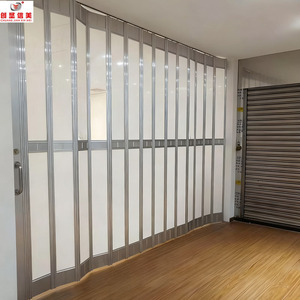
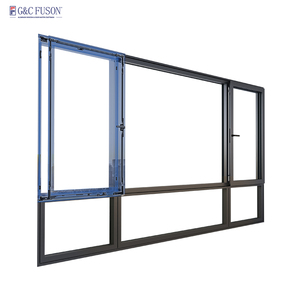
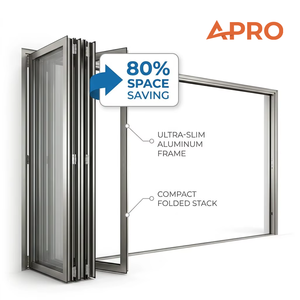
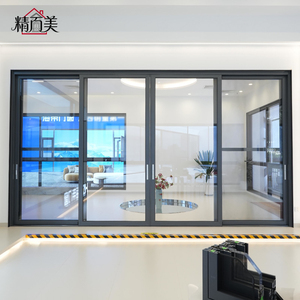
180,000㎡
Intelligent Production Base
600+
Skilled Technicians & Staff
100+
Patents & Global Certifications
25+
Years Precision Engineering
Engineering Fundamentals of Aluminum Jali Doors
Modern architectural fenestration requires a balance of biophilic ventilation, pest prevention, structural rigidity, and forced-entry deterrence. Understanding the metallurgical and mechanical dynamics of modern aluminum Jali doors provides clarity for international procurement teams.
Structural Alloy Metallurgy
DERCHI utilizes premium 6063-T6 and 6061-T6 architectural aluminum billets. The controlled magnesium-to-silicon ratio provides superior tensile strength (≥205 MPa) while preserving intricate extrusion capabilities necessary for seamless multi-cavity perimeter frames and integrated Jali retainers without risk of structural micro-fractures under wind shear.
Jali Perforation Aerodynamics
Traditional solid entry structures inhibit airflow, causing stagnant indoor microclimates and spikes in HVAC cooling requirements. Precision laser-cut or punch-machined Jali panels engineered with open-area ratios between 42% and 58% provide optimal Bernoulli passive draft cooling while completely maintaining resistance against invasive insects, flying debris, and mechanical intrusion.
Multi-Layer Anti-Corrosion
In high-salinity marine environments like Southeast Asia and the Gulf, untreated metals succumb to pitting. Our systems undergo fluorocarbon (PVDF) electrostatic coating and specialized hard anodizing (over 25 microns thickness). This process easily exceeds the rigorous 3,000-hour neutral salt spray (ASTM B117) certification without delamination or surface degradation.
Specification Matrix: Traditional vs. Architectural Aluminum Jali Systems
Performance comparison evaluated under simulated commercial deployment and ISO testing protocols.
| Engineering Criteria | Conventional Mild Steel Jali Door | Standard Timber Jali Door | DERCHI Engineered Aluminum Jali System |
|---|---|---|---|
| Atmospheric Durability | Prone to rust; requires repainting every 12-18 months. | Prone to swelling, splitting, dry rot, and termite attack. | Non-corrosive 6063-T6; zero decay in 95%+ relative humidity. |
| Wind Load Resistance | Moderate, susceptible to heavy joint weld deformation. | Weak structural resistance under severe tropical cyclone gusts. | Certified to Australian AS 2047 N6 rating (≥4500 Pa test pressure). |
| Weight-to-Strength Ratio | Excessively heavy; induces hinge drop and track wear over time. | High variance; dead-load increases with humidity absorption. | Optimized lightweight geometry; preserves hardware lifecycle beyond 200,000 cycles. |
| Intrusion Resistance | High shear resistance, but joints deteriorate via corrosion. | Low; prone to pry bar jimmying and panel fracture. | Multi-point claw locking paired with tamper-proof blind-fastened mesh. |
| Finish Integrity | Alkyd enamels prone to chalking and UV fading. | Varnish breaks down within 2 years under direct tropical sun. | Qualicoat Class 2 Architectural Powder & PVDF (20+ year colorfast warranty). |
Future Sourcing Trends for Architectural Door Envelopes
Global procurement teams across commercial high-rises, residential compounds, and resort masterplans are updating their fenestration tender requirements. The following strategic trends are reshaping cross-border procurement for the coming decade.
1. Direct BIM & CAD Integration
Architectural firms no longer procure via loose physical catalogs. Modern contracts mandate direct BIM model ingestion (Revit, IFC) and 3D precision shop drawings before tender sign-off. Sourcing partners that can provide fully parametric models with localized wind-load deflection calculations directly reduce contractor variation costs.
2. Embodied Carbon & Recyclability
Green building rating systems, such as LEED, BREEAM, and Green Star, place heavy scrutiny on low-carbon smelting and recyclable envelopes. Aluminum Jali doors built from low-carbon, hydro-smelted primary alloys retain a 95% circular recycling efficiency, securing crucial sustainability points on institutional project tenders.
3. Mechatronic Smart Lock Synergies
The era of manual deadbolts is rapidly closing. The modern commercial Jali door is specified with factory-routed cavities designed for hidden wiring conduits, motorized multipoint lock mortises, facial biometric recognition systems, and dry-contact BMS (Building Management System) remote lock verification for master facilities.
Next-Gen Development Trends in Jali Engineering
Continuous investment in materials science and CNC manufacturing has pushed Jali security assemblies beyond basic expanded metal screens into high-performance architectural systems.
Fiber Laser CNC Custom Geometry
Fixed lattice patterns are being replaced by high-speed fiber laser cutting systems. Designers can render bespoke Islamic geometric motifs, modernist diagonal tessellations, or corporate branding patterns straight from vector files into 3.0mm–5.0mm structural marine aluminum plates, without the high tooling fees of custom extrusion dies.
High-Tensile 316 Marine Woven Infills
Combining laser-cut external decorative Jali panels with secondary infill layers of 0.8mm-gauge high-tensile 316 stainless steel woven mesh creates dual-tier protection. The exterior facade delivers architectural privacy and solar shading, while the inner structural mesh stops knife shearing, impacts, and microscopic pest infiltration.
Thermal Break Multi-Chamber Profiles
Modern sustainability requirements now apply to security doors. By extruding frames with dedicated polyamide PA66 thermal barriers, aluminum Jali doors prevent ambient external heat transfer. This system reduces perimeter condensation and drastically improves total assembly U-values for luxury eco-residences in tropical heat.
DERCHI: World-Class Manufacturing Infrastructure
Recognized as one of China's Top 10 door and window brands, Guangdong Dejiyoupin Doors and Windows Co., Ltd. (DERCHI) delivers end-to-end manufacturing stability for global infrastructure, hospitality, and residential developments.
180,000㎡ Mega Base
Our centralized manufacturing base in Foshan, Guangdong houses automated precision cutting, CNC milling, welding, and robotic powder coating lines to fulfill high-volume international tenders without subcontracting risk.
Rigorous Global Standards
Every structural profile is tested and certified against CE, ISO 9001, Australian AS 2047 (N6 cyclone rating), and UL fire-rated specifications, ensuring rapid project approvals and code compliance with regional building authorities.
Export Port Proximity
Located in the heart of South China's maritime industrial hub, we ensure direct container dispatch from Guangzhou, Shenzhen, and Foshan ports, reducing ocean transit lead-times into Southeast Asian and Middle Eastern terminals.
GMT+8 Dedicated Support
Our technical sales engineering team operates across the GMT+8 time zone, delivering same-day CAD shop drawing revisions, engineering consultations, and real-time support without overseas delay.
Frequently Asked Questions (FAQ)
Direct technical answers addressing engineering tolerances, logistics, quality compliance, and customized specification requests for B2B cross-border sourcing.