Precision-Engineered Aluminium Mosquito & Security Screen Systems
Explore our Australian-standard compliant flyscreen and barrier door portfolio, combining marine-grade mesh, heavy-wall architectural extrusion, and smooth thermal-break integrations.
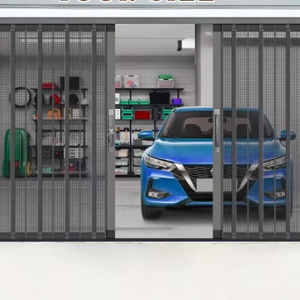
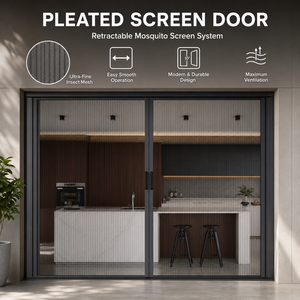
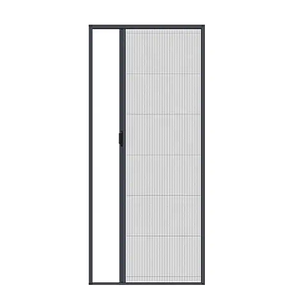
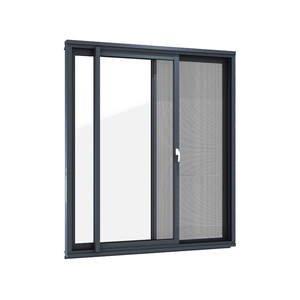
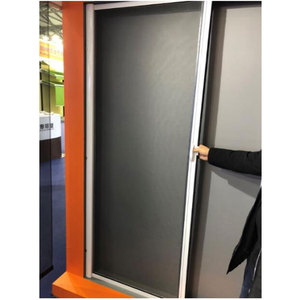
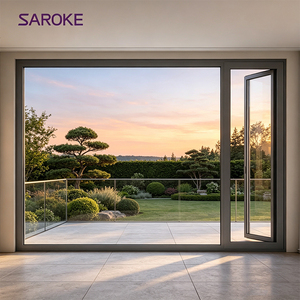
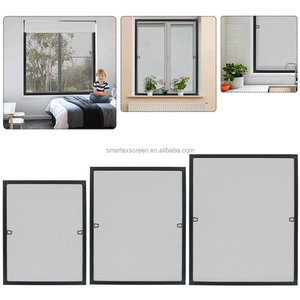
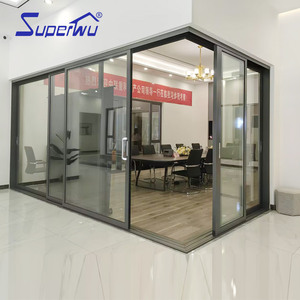
Engineering Mosquito & Fly Screen Systems for Australian Climatic Extremes
The Australian continent presents one of the most demanding built environments in the world. From the severe UV indexes of Queensland and the salt-spray corrosive atmospheres along coastal New South Wales and Victoria, to the volatile cyclonic wind loads of Western Australia, an off-the-shelf mosquito net door is fundamentally inadequate. For Australian builders, architects, and window fabricators, insect screening must integrate seamlessly with National Construction Code (NCC) mandates, structural barrier protection, and high Bushfire Attack Levels (BAL).
Corrosion-Proof Marine Metallurgy
Utilizing high-tensile 6063-T5/T6 architectural aluminum profiles alongside premium AISI 316 marine-grade stainless steel woven mesh. Tested against ASTM B117 neutral salt spray conditions for over 3,000 hours to eliminate galvanic corrosion in coastal zones like Gold Coast and Perth.
AS 3959 Bushfire Attack Compliance
Engineered for compliance across designated bushfire zones from BAL-LOW up to BAL-40 and BAL-FZ ember mitigation standards. Aperture configurations under 1.8mm effectively repel burning embers while resisting sustained radiant heat fluxes without mesh deformation.
AS 5039 Security Mechanical Fixing
Eliminates fragile adhesive bonding by employing mechanical crimping systems and high-adhesion synthetic pressure retention gaskets. Tested under dynamic impact, jemmy attack, and probe tests to act simultaneously as an insect barrier and an intrusion deterrent.
| Screen System Classification | Primary Mesh Material | Australian Code Compliance | Ideal Application Scenario | Corrosion & UV Rating |
|---|---|---|---|---|
| Retractable Plisse / Pleated Mesh | Polyester / Heavy PP Co-polymer | AS 2047 (Air-Tightness Tested) | Bi-fold doors, architectural French openings, multi-stacker sliding sets | UV-stabilized; inland & sheltered coastal |
| Heavy-Duty Security Insect Screen | 0.8mm - 0.9mm 316 Stainless Steel | AS 5039 / AS 5041 / AS 3959 (BAL-40) | Main entryways, hinged security doors, ground-floor patio doors | Category C5 Marine Grade (Severe coastal) |
| Diamond Grille Barrier Door | 7mm Extruded Aluminium + Fiberglass | AS 5039 (Barrier Criteria) | Residential perimeter doors, commercial service doors, rental developments | Qualicoat Class 2 Powder Coat finish |
| Thermal Lift & Slide with Integrated Screen | Micro-Weave Aluminium / SS 304 | AS 2047 N6 Cyclonic / WERS Energy | Luxury villas, modern architect-designed beachfront estates | AAMA 2605 Fluorocarbon Coating |
Tailored for Iconic Australian Architectural Living
From open-plan coastal alfresco transitions to high-density inner-city developments, our door systems balance seamless indoor-outdoor living with reliable pest defense.
The Alfresco Seamless Transition
Modern Australian domestic architecture centers around the indoor-outdoor alfresco room. Our low-profile recessed tracks allow telescopic insect screens and pleated sliding systems to span widths exceeding 6 meters across timber or concrete subfloors without creating tripping hazards or impeding natural light.
Coastal Sub-Tropical Residences
In humid coastal regions of Sydney, Brisbane, and Darwin, biting midges (sandflies) and sub-tropical mosquitoes present genuine health hazards. We manufacture micro-aperture insect screens (over 20x20 mesh per square inch) that stop microscopic biting insects while preserving airflow and oceanic breezes.
Bushfire Interface Developments
Properties built within perimeter bushland corridors require verified non-combustible building envelopes. Our BAL-compliant aluminium screen casement doors are built with metal clamping beads, non-combustible seals, and stainless steel meshes that meet strict local council certification standards.
Emerging Market Trends in Australia’s Fenestration Landscape
The Australian door and screen sector is undergoing significant evolution, driven by regulatory updates and changing aesthetic demands:
1. Convergence of Insect Defense and Physical Security: Homeowners and tier-one developers no longer accept bulky, visual-obstructing diamond grilles as their primary barrier. The dominant trend is toward “clear-vision” security screens—systems utilizing high-tensile 316 stainless steel woven wire that resemble traditional flyscreens while providing sledgehammer and jemmy-resistant security.
2. High-Performance Thermal Efficiency and Passive House Alignment: With updates to NCC Section J energy efficiency requirements, screen manufacturers must engineer frames that interface cleanly with thermally broken aluminum sub-frames. Our systems maintain thermal isolation, preventing bridging that undermines costly double and triple glazing.
3. Oversized and Multi-Panel Retractable Screening: As floor-to-ceiling glass cavity sliding doors expand in popularity across Melbourne and Sydney luxury housing, the demand for trackless or ultra-low-profile motorized and manual retractable systems has surged by over 40% year-on-year.
Why Australian Wholesalers, Builders & Fabricators Partner with DERCHI
Operating from our 180,000㎡ precision manufacturing headquarters in Foshan, Guangdong Dejiyoupin Doors and Windows Co., Ltd. brings 25+ years of engineering rigor to every export consignment.
⚡ Certified Australian Testing
Our profile assemblies and door suites have achieved AS 2047 certification with N6 rating standards for ultimate wind pressure, water penetration resistance (exceeding 450 Pa), and structural deflections under cyclonic stress.
⚡ Custom CAD & BIM Engineering
Every commercial order is backed by in-house drafting teams providing custom CAD shop drawings, glass and extrusion schedules, and site-specific anchoring details designed to streamline council approvals.
⚡ Full Architectural Supply Chain
One-stop production encompassing raw aluminium smelting, CNC profile machining, robotic automated powder-coating lines, and robotic crimping—delivering direct wholesale savings to Australian partners.
⚡ Surface Finishes for C5 Climates
Certified application of AkzoNobel and Jotun architectural powder coatings, backed by 15- to 25-year warranties against chalking, fading, and peeling under intense Australian ultraviolet solar exposure.
⚡ Export-Grade Sea Freight Packing
All doors and KD (Knock-Down) systems are packaged with high-density protective foam wrap, custom heat-treated wooden crates, and moisture-desiccant barriers to prevent transit scratches and galvanic oxidation.
⚡ Dedicated APAC Support Desk
Operating directly on Australian Eastern Standard Time (AEST) compatibility (UTC+8), ensuring your inquiries, drawing revisions, and logistics updates receive immediate same-day responses without frustrating delays.
Frequently Asked Questions by Australian Importers & Contractors
Do your aluminum insect and security doors comply with Australian Building Standards?
Yes. Our screens and integrated sliding door assemblies are engineered to meet and exceed AS 2047 (Windows and External Glazed Doors in Buildings) and AS 5039 (Security Screen Doors and Security Window Grilles). We supply full laboratory test reports for air infiltration, water penetration resistance, and structural loading (including N6 cyclone ratings).
Can these screen systems be installed in designated Bushfire Attack Level (BAL) zones?
Yes. We manufacture specific BAL-rated mesh configurations using 316 and 304 marine-grade stainless steel woven meshes with aperture sizes below 1.8mm. These systems comply with AS 3959 for installation up to BAL-40 and BAL-FZ ember-attack requirements when combined with compatible external framing profiles.
How do you prevent galvanic corrosion between the aluminium frame and stainless steel mesh?
This is a critical failure point in cheaper imports. We utilize non-conductive PVC/Santoprene isolating beads and structural synthetic clamping wedges. This prevents physical contact between the dissimilar metals, ensuring zero electrolytic reaction even in direct beachfront sea-spray environments.
Can you supply Knock-Down (KD) kits to Australian fabricators?
Yes. We ship both fully assembled pre-hung doors ready for direct installation and precision pre-cut Knock-Down (KD) systems. KD kits come complete with pre-milled hardware slots, corner stakes, rubber splines, and installation hardware to maximize container shipping density and reduce freight overheads.
What are your lead times and export sea-freight transit durations to Australian ports?
Standard fabrication lead time is 18 to 25 days following CAD shop-drawing sign-off. Shipping transit from our South China port base (Shenzhen/Guangzhou/Foshan) to major ports including Sydney, Melbourne, Brisbane, and Fremantle typically ranges from 12 to 18 days, ensuring stable scheduling for your construction pipeline.
Plan Your Next Commercial or Residential Project with DERCHI
Whether you need custom-sized pleated insect systems, heavy-duty AS 5039 security barrier screens, or bulk container supply of KD kits for local fabrication, our engineering team is ready to prepare complete shop drawings and competitive factory-direct pricing.
Get a Quote