Precision Security Systems for Residential & Commercial Openings
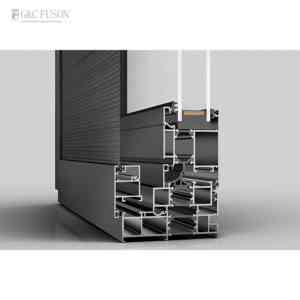
Precision-milled 6063-T6 architectural aluminum alloy profiles equipped with multi-point safety latching, heavy-duty pivots, and verified hurricane-force impact standards.
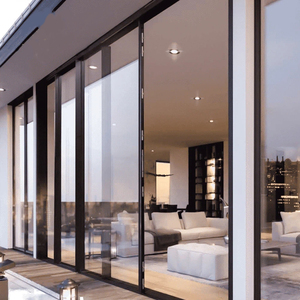
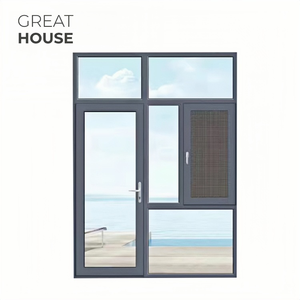
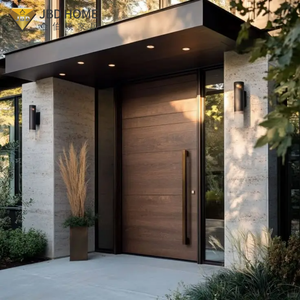

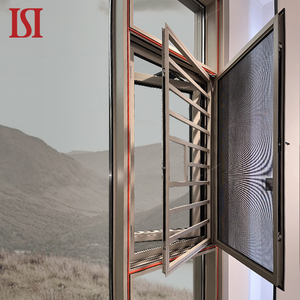
Addressing Costa Rica’s Environmental & Security Microclimates
Specifying high-performance perimeter fenestration across Costa Rica demands deep awareness of dual-coast tropical climates, seismic dynamics, and regional security realities. From the Pacific dry-forest marine conditions of the Papagayo Peninsula and Guanacaste to the ultra-high humidity zones of Manuel Antonio, the Central Valley (San José, Escazú, Santa Ana), and the high-rainfall Caribbean coastal belt of Limón, architectural doors encounter exceptional environmental stressors.
Standard architectural doors fail prematurely when exposed to non-stop relative humidity fluctuating between 70% and 95%, intense solar UV irradiance, and chloride-laden airborne salt aerosols. Untreated timber swell and rot within 18 to 24 months, while poorly treated lightweight steel suffers galvanic and pitting corrosion. High-tensile 6063-T6 virgin aluminum alloy with certified Qualicoat Class 2 powder coatings and 25-micron architectural anodization provides indefinite structural stability. These systems completely eliminate mechanical jamming, dimensional creep, and electrolytic profile breakdown.
Forced Entry Resistance
Multi-point steel gearings, internal deadbolt latches, and concealed anti-pry hinges deliver complete perimeter lockdown against unauthorized intrusion throughout residential estates and high-value villas.
C5-M Marine Grade Finishing
Engineered surface treatments withstand severe marine-industrial salt spray conditions (exceeding ASTM B117 standards across 3,000+ testing hours), preserving aesthetic clarity along coastal shorelines.
Windborne Impact & Sealing
AS 2047 N6 and NFRC-tested impact configurations paired with reinforced EPDM co-extruded perimeter gaskets prevent water penetration during severe storm squalls and high-velocity wind loads.
Engineering Comparison: Architectural Fenestration Materials in Tropical Belts
Material choices directly dictate structural lifecycle, security ratings, and lifecycle return on investment. The following performance matrix highlights key performance criteria for Costa Rican building schedules:
| Evaluation Parameter | Architectural Aluminum (DERCHI 6063-T6) | Imported Hardwood (Teak / Cedro) | Standard Hollow Structural Steel |
|---|---|---|---|
| Corrosion & Salt Air Resistance | Superior (C5-M Marine Fluorocarbon & Anodized) | Moderate (Subject to dry rot, fungal spores, insect damage) | Low (Vulnerable to progressive oxidation & joint rust) |
| Structural Dimensional Stability | Absolute zero warping, thermal coefficient: 23×10⁻⁶/K | High hygroscopic expansion; requires seasonal shaving | Stable, though thermal bridging degrades locking alignment |
| Multi-Point Security Integration | Engineered internal structural grooves for CNC hardware | Chiseled mortise weakens door core over prolonged cycling | Surface welded or hollow boxed; vulnerable to spot fatigue |
| Acoustic & Thermal Isolation | Polyamide PA66 thermal break + Argon-filled double IGU | Moderate acoustic mass; poor air-infiltration sealing | Extreme thermal conductivity; causes interior HVAC loss |
| Maintenance Cycle | Rinse with clean water biannually; zero recoating needed | Sanding, sealing, and marine varnishing every 6-9 months | Scraping, anti-rust primer, and industrial painting annually |
Strategic Fenestration Across Diverse Costa Rican Projects
Modern luxury construction in Costa Rica blends biophilic openness with dependable boundary security. This architectural balance requires custom fenestration configurations tailored to specific building typologies:
Grand Oceanfront Villas
Large oversized pivot security systems (spanning up to 3.5m in height) provide sweeping focal points for entryways in Papagayo, Tamarindo, and Santa Teresa, utilizing floor-integrated self-closing hydraulic pivots rated for windward sea exposures.
Gated Central Valley Estates
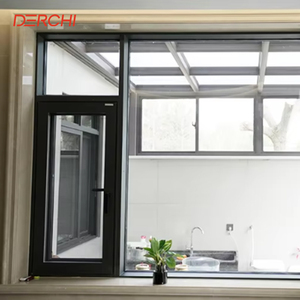
Residences in Escazú and Santa Ana demand discreet security integration. Thermal break casements and double-glazed multi-point sliding doors preserve interior thermal comfort while delivering impenetrable burglar-resistant envelope security.
Eco-Luxury Boutique Resorts
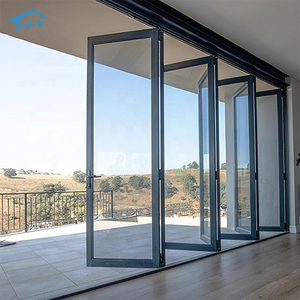
Hotels across Manuel Antonio, Nosara, and the Osa Peninsula deploy multi-panel bi-fold and double-tempered sliding glass systems, maximizing expansive rainforest sightlines while withstanding extreme moisture and insect migration.
Emerging Procurement Trends Shaping Costa Rican Architecture
Three primary industry transformations are redefining fenestration procurement across Central America:
1. Convergence of Large Format Glazing with Hardened Security: Modern tropical home designs demand open, unobstructed panoramic views. The market has moved decisively past heavy external iron burglar bars (verjas). Today's luxury developments demand laminated impact security glass (PVB or SGP interlayers) seamlessly anchored inside heavy-wall aluminum frames, providing discreet, bar-free protection.
2. EDGE & LEED Green Building Compliance: Rising electrical energy costs across ICE (Instituto Costarricense de Electricidad) tariffs have accelerated adoption of thermal break aluminum profiles with Low-E double glazing. Specifying systems that minimize solar heat gain coefficient (SHGC) directly reduces cooling HVAC loads, helping projects secure coveted international green building certifications.
3. Biometric & Smart Home Automation Ecosystems: Villa developers throughout Guanacaste and the Central Valley increasingly mandate smart, keyless residential entry. Our high-security pivot and entry doors natively accommodate electrified mortise systems compatible with smart access interfaces, including biometric fingerprint scans, facial recognition, and smartphone app control.
Why Architects, Developers & General Contractors Partner with DERCHI
Guangdong Dejiyoupin Doors and Windows Co., Ltd. (DERCHI) stands among China’s top 10 premier fenestration manufacturers. Operating out of an expansive 180,000㎡ industrial smart manufacturing park in Foshan, Guangdong, we bridge the gap between heavy industrial capacity and bespoke architectural customization.
Our turnkey export services deliver clear project-level advantages for international commercial developers, contractors, and luxury homeowners in Costa Rica:
Free Architectural CAD/BIM Detailing
Our dedicated engineering group generates comprehensive shop drawings, structural anchor details, and floor-level threshold interfaces based on your project schedules, ensuring error-free on-site installation.
Global Certifications & Audit Trails
DERCHI products undergo rigorous compliance testing to maintain CE, ISO 9001, Australian AS 2047 N6, and American NFRC hurricane impact certifications, simplifying local municipal and engineering approvals.
Direct Port Logistics to Caldera & Moín
Situated near major South China container terminals (Guangzhou/Shenzhen), we pack products in fumigated wooden crates with moisture-barrier wrapping, guaranteeing zero oxidation or damage during ocean transit.