180,000㎡
Modern Manufacturing Base
AS 2047
Certified Cyclone N6 Rating
600+
Skilled Door Engineers
GMT+8
Real-Time ASEAN Project Support
Engineered Portfolio
High-Performance Aluminum Access & Hatch Solutions
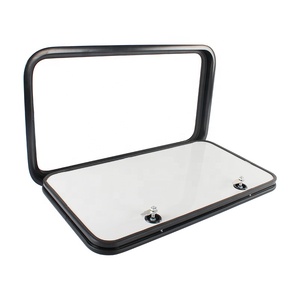
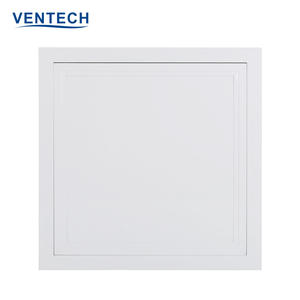
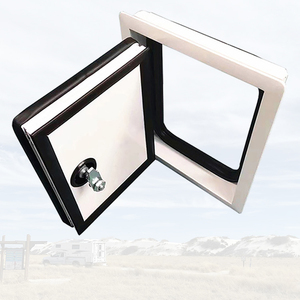
Explore certified aluminum hatch door assemblies built with architectural extruded alloys (6063-T5/6061-T6), fluorocarbon marine passivation, and airtight multi-chamber rubber seals.
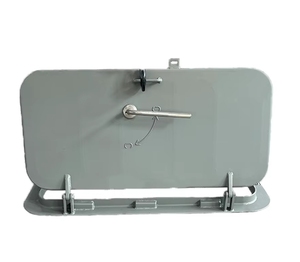
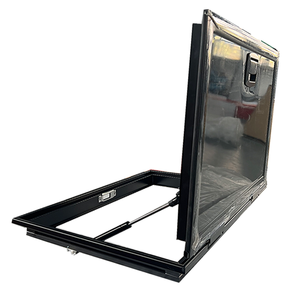
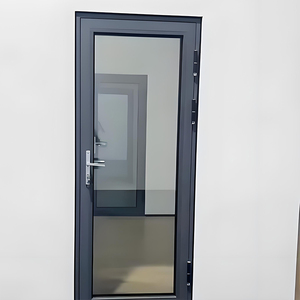
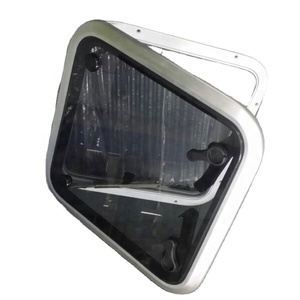
Market Deep Dive & Technical Analysis
Engineering Aluminum Hatch Doors for Vietnam's Harsh Coastal & Tropical Climates
Vietnam’s rapid modernization of commercial hubs, industrial zones from Bac Ninh to Binh Duong, and expanding maritime shipping corridors along its 3,260-kilometer coastline has created unprecedented demand for certified, heavy-duty aluminum hatch doors. Unlike standard residential doors, specialized aluminum hatch doors serve as critical structural access points—safeguarding mechanical equipment, HVAC systems, ship holds, specialized utility shafts, and high-value transport bays against monsoon humidity, severe coastal salinity, and violent typhoons.
Material Science: Overcoming Coastal Corrosion & Microclimatic Stress
Specifying aluminum hatch doors across major Vietnamese industrial zones—including Hai Phong, Da Nang, Ba Ria-Vung Tau, and Ho Chi Minh City—demands an acute understanding of metallurgical resistance. Standard commercial aluminum profiles (such as un-anodized 6063 alloys) rapidly develop galvanic pitting and surface degradation when exposed to coastal saline fog and relative humidity levels exceeding 85%.
DERCHI engineering teams utilize premium structural 6063-T5 and marine-grade 6061-T6 aluminum alloys for hatch framing and leaf manufacturing. The profiles undergo multi-stage electro-passivation followed by architectural-grade fluorocarbon (PVDF) electrostatic coatings or minimum 20μm architectural anodizing. This advanced chemical finishing delivers 3,000+ hours of ASTM B117 salt spray resistance, ensuring zero electrolytic bubbling, chalking, or delamination even under intense coastal ultraviolet exposure.
AS 2047 Cyclone Wind Resistance
Engineered to withstand positive and negative design pressures up to 4500 Pa (N6 rating), preventing leaf implosion or water entry during severe typhoons.
Continuous EPDM Compression Seals
Dual-perimeter vulcanized EPDM or fluororubber co-extruded gaskets guarantee weathertight and watertight integrity according to IP66/IP67 mechanical standards.
Heavy-Duty Gas Struts & Hardware
Marine-grade 316 stainless steel hinges, cam latches, and nitrogen gas damping struts allow effortless single-operator opening even on heavy structural hatch lids.
Localized Application Scenarios Across Vietnam
Factory procurement officers, EPC contractors, and mechanical consultants require tailored aluminum hatch doors based on the distinct operational demands of their facilities. Our specialized production lines serve five key Vietnamese sectors:
1. Marine & Commercial Shipyards
Installed across ship repair docks in Hai Phong and Da Nang. Weathertight hatch assemblies provide crewway escape, engine room ventilation, and dry-cargo protection against high-saline water ingress.
2. Cleanrooms & Electronics Mega-Plants
Widely deployed in Bac Ninh and Thai Nguyen high-tech manufacturing parks. Flush-mount aluminum ceiling access panels seal cleanroom plenums with zero particle shedding.
3. Coastal Resorts & Modern Villas
Engineered for high-end hospitality projects in Phu Quoc, Nha Trang, and Da Nang. Concealed flush roof hatches grant safe maintenance access to solar arrays and rooftop terraces.
4. Logistics Fleet & Cold Chain Fleets
Supplied to refrigerated logistics and mobile cabin converters in Dong Nai and Long An. Lockable insulated XPS hatch doors deliver zero thermal bridging and secure freight storage.
Market Trends: The Evolution of Aluminum Hatch Doors in Vietnam (2025–2030)
The Vietnamese building code (QCVN 06:2022/BXD regarding fire safety for buildings) alongside the National Strategy on Climate Change has shifted local procurement from cheap manual sheet-metal doors to high-performance, certified building components. The future of the local market is shaped by three key vectors:
01
Stringent Fire & Thermal Separation Standards
Industrial parks are systematically mandating UL and certified thermal-break barrier designs. Multi-chamber aluminum frames injected with polyamides and rock wool cores prevent condensation, optimize HVAC efficiency, and delay fire spread during emergency events.
02
Transition to Lightweight High-Strength Alloys
Heavy mild-steel and cast-iron access covers are increasingly phased out due to rust hazards and high labor costs. Lightweight architectural aluminum doors cut structural dead loads on pre-engineered steel frames by up to 60%, drastically simplifying installation.
03
Integrated Security & Smart Building Access
Modern telecommunication hubs and data facilities demand remote tamper alerts. Premium hatch door assemblies now integrate micro-switch mechanical sensors, access control conduits, and emergency release deadbolts connected directly to centralized building management systems (BMS).
Engineering Specification Matrix: Aluminum vs. Traditional Steel Hatches
This technical comparison outlines why leading Vietnamese project managers and industrial developers are replacing conventional steel hatches with high-tolerance aluminum assemblies:
| Performance Parameter | DERCHI Architectural Aluminum Hatch | Traditional Carbon / Mild Steel Hatch | Stainless Steel (Grade 304) Hatch |
|---|---|---|---|
| Corrosion Resistance (Saline Env.) | Excellent (PVDF / 25μm Anodized, 3000+ hrs salt spray) | Poor (Prone to rust at weld joints, high recoating cost) | Moderate to High (Prone to pitting under sea fog exposure) |
| Structural Dead Load | Low (~2.7 g/cm³) — Reduces roof framing cost | Extremely Heavy (~7.85 g/cm³) — Risk to installers | Heavy (~7.93 g/cm³) — Demands structural reinforcing |
| Cyclone Wind Load (AS 2047) | Certified N6 (up to 4,500 Pa design pressure) | Variable (Usually lacks laboratory test certification) | High (Rigid, but prone to perimeter deformation) |
| Operability & Ergonomics | Single-operator opening via tuned gas struts (<10 kg lift) | Requires dual operators or counterweights | Requires heavy-duty hydraulic or dual struts |
| Thermal Conductivity Control | Polyamide thermal break cores prevent condensation | High thermal transfer (Generates sweating/dripping) | High thermal transfer without specialized insulation |
Enterprise Reliability
Guangdong Dejiyoupin Doors and Windows (DERCHI)
Ranked among China's Top 10 door and window brands, DERCHI operates an expansive 180,000㎡ smart manufacturing base equipped with CNC robotic extrusion, high-precision laser-welding, and fully automated electrostatic coating lines.
- Over 25 Years of Engineering Excellence: Producing specialized aluminum systems tested across Asian typhoon zones, Australasia, and the Middle East.
- 100+ Global Certifications & Patents: Rigorous validation encompassing CE, ISO 9001, Australian AS 2047, and UL fire ratings.
- Direct CAD/BIM Customization: Rapid preparation of project shop drawings, customized wall throat depths, curb mounts, and automated hardware cutouts.
- Logistical Proximity to Vietnam: Immediate dispatch via South China deepwater ports to Haiphong, Da Nang, and Cat Lai (HCMC) within 3–5 shipping days.

Direct Answers
Frequently Asked Questions for Vietnamese Importers & Contractors
Key technical, commercial, and logistical questions addressed by DERCHI’s Southeast Asia engineering desk.
What surface finish is best for aluminum hatch doors installed in coastal Vietnam? +
For coastal sites like Da Nang, Vung Tau, Nha Trang, and Hai Phong, we recommend a 3-coat fluorocarbon PVDF coating (minimum 40μm thickness) or minimum 25μm architectural anodized finish. Both coatings surpass 3,000 hours of neutral salt spray testing (ASTM B117), effectively preventing chalking, pitting, and oxidation caused by marine airborne salt mist and intense UV radiation.
How do your hatch doors comply with Vietnamese cyclone wind-load requirements? +
DERCHI aluminum access assemblies are tested and certified to Australian Standard AS 2047 up to the maximum N6 cyclonic classification. Our internal aluminum ribbing, heavy wall thicknesses (2.0mm–3.5mm), and structural multi-point cam locking hardware withstand design ultimate pressures exceeding 4,500 Pa, preventing sheet blow-out and water leakage during major Pacific typhoons.
Can DERCHI supply customized curb dimensions and flush-mount ceiling frames? +
Yes, 100% of our production is manufactured to order. Our dedicated CAD engineering department prepares free shop drawings matching your structural openings, drywall curb depths, concrete curb thicknesses, and floor finishes before manufacturing begins, ensuring flawless on-site fit-out without secondary cutting.
What is the transit lead time from your factory to Vietnamese main ports? +
Our 180,000㎡ industrial park is strategically located in Foshan, Guangdong, adjacent to Guangzhou and Shenzhen deepwater container ports. Shipping time to Hai Phong port (Northern Vietnam) is approximately 2 to 3 days, while shipments to Cat Lai Port (Ho Chi Minh City) take approximately 4 to 5 days, enabling streamlined logistics and reliable contractor construction schedules.
Are your marine and RV hatches supplied with complete locking and gas strut assemblies? +
Yes. Every hatch unit is fully pre-assembled, cycle-tested, and factory-fitted with corrosion-resistant nitrogen gas struts, 316 stainless steel internal hardware, keys, compression latches, and pre-mitered EPDM gaskets. Units are crated in export-grade honeycomb wooden pallets for zero-damage job-site delivery.
What documentation is provided to support project building approvals in Vietnam? +
We provide full commercial and technical submittal packages including Certificate of Origin (Form E for preferential ASEAN tariffs), Mill Test Certificates (MTC) verifying aluminum alloy purity, ISO 9001 factory audits, CE performance declarations, and AS 2047 independent laboratory test reports.
Accelerate Your Vietnam Project With Precision Aluminum Hatch Solutions
Whether you require marine deck hatches, flush commercial drywall roof panels, or custom RV luggage compartment doors, our engineering team provides rapid shop drawings and direct factory quotation within 24 hours.
Inquire Now