Featured Export Fenestration Portfolio for Brazilian Developments
Direct from our specialized 180,000㎡ intelligent fenestration industrial complex in Foshan, China. Tested against rigorous EN 14351-1 harmonized norms, AS 2047 cyclonic parameters, and tropical weather durability, delivering tested structural stability for high-end residential towers, seaside villas, and hospitality sectors across São Paulo, Rio de Janeiro, Balneário Camboriú, and the Northeast Coast.
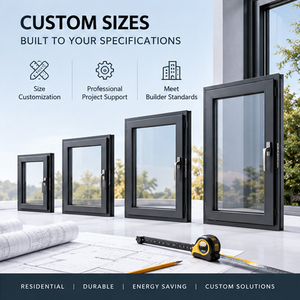
Heavy-Duty Lift & Slide Aluminum Patio Doors
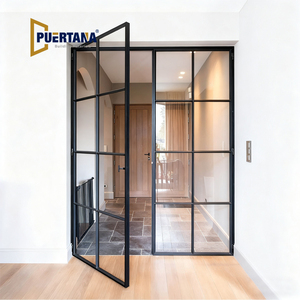
Acoustic Slim-Line Aluminium French & Partition Doors
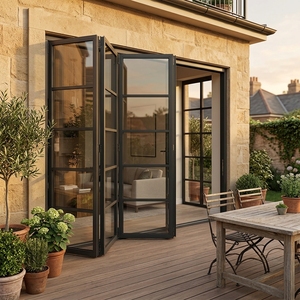
Weather-Sealed Exterior Bi-Folding Patio Systems
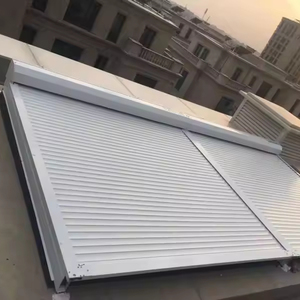
Automated Polyurethane-Core Insulating Security Shutters
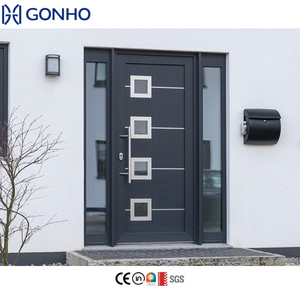
Reinforced Impact-Resistant Coastal Folding Enclosures
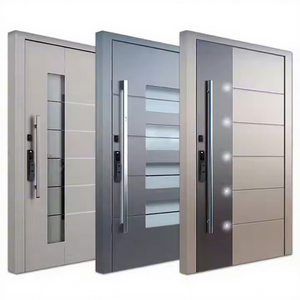
Architectural Oversized Thermal Aluminum Pivot Entrances
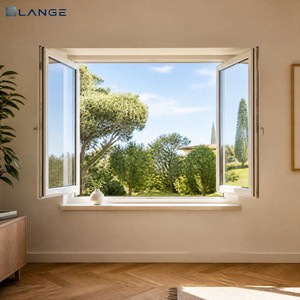
Double-Glazed Thermal Break Casement Windows
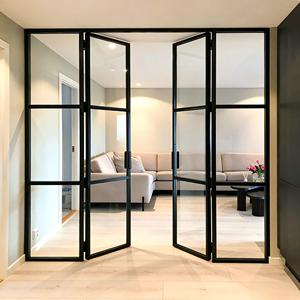
Ultra-Slim Anodized Architectural Swing Doors
Bridging European CE Protocols with Brazilian ABNT Standards
Importing architectural windows and exterior systems into Brazil presents multifaceted engineering challenges: high solar heat gains (SHGC), aggressive C4/C5 marine atmospheric corrosion in coastal zones, and intense dynamic wind loads on high-rise structures in urban centers like Balneário Camboriú and São Paulo. Our CE-certified systems are precision-calibrated to satisfy Brazilian technical norms while optimizing freight feasibility.
ABNT NBR 10821 Structural Rigidity
Brazilian building norms dictate rigorous mechanical resistance and air/water tightness under wind pressure, specifically along coastal high-rise sectors. Our profiles use primary architectural billet (6063-T6 / 6061-T6), with corner joints precision-crimped and secured using two-component polyurethane adhesives to eliminate water ingress under peak cyclical shear loads exceeding 2,500 to 4,000 Pa.
ABNT NBR 15575 Thermal & Solar Control
In tropical zones across Central and Northern Brazil, mitigating air conditioning loads is vital for LEED and EDGE certified developments. By combining multi-cavity Polyamide 66 reinforced with 25% glass fiber (PA66GF25) with double silver Solar-Control Low-E double glazing, our systems achieve Solar Heat Gain Coefficients (SHGC) down to 0.28 and U-values below 1.6 W/(m²·K).
Seaside Salt-Spray Passivation (Qualicoat Class 2)
Brazilian Atlantic coastal environments impose aggressive salt spray damage. Our standard finishes incorporate Qualicoat Class 2 certified super-durable fluorocarbon (PVDF) electrostatic coatings and anodizing thicknesses up to 25 microns (AA25). Tested beyond 3,000 hours of neutral salt spray exposure (ISO 9227), completely mitigating filiform corrosion and color degradation.
| Performance Metric | European Harmonized Standard (CE / EN) | Brazilian Standard (ABNT Reference) | DERCHI Factory Achieved Values |
|---|---|---|---|
| Air Permeability | EN 12207: Class 4 | ABNT NBR 10821-2 (Vazão de Ar) | Class 4 (< 0.75 m³/(h·m) @ 100 Pa) |
| Watertightness | EN 12208: Class 9A / E1200 | ABNT NBR 10821-2 (Estanqueidade) | Tested watertight up to 1,200 Pa sustained static pressure |
| Wind Load Resistance | EN 12210: Class C5 (2000 Pa) | ABNT NBR 10821-2 (Cargas de Vento) | AS 2047 N6 Cyclonic / Exceeds 3,500 Pa Design Load |
| Acoustic Attenuation | EN ISO 10140-2 (Rw + Ctr) | ABNT NBR 15575-4 (Desempenho Acústico) | Rw = 36 dB to 44 dB (Acoustic laminated configurations) |
| Thermal Transmittance | EN ISO 10077-1 (Uw) | ABNT NBR 15575-4 (Transmitância Térmica) | Uw 1.3 - 1.8 W/(m²·K) with warm edge spacer & Argon fill |
Brazilian Architectural Trends: The Rise of High-Performance Glazing
The Brazilian architectural landscape is undergoing a structural paradigm shift toward expansive structural glass apertures, environmental sustainability certifications, and high-security residential perimeters.
Luxury Condominiums & High-Rises
Metropolises such as Balneário Camboriú, São Paulo, and Curitiba demand certified high-performance facades for residential skyscrapers. Floor-to-ceiling thermal break sliding systems with narrow profiles maximize ocean and skyline vistas while satisfying rigorous inter-story structural deflection tolerances.
High-End Coastal Private Villas
From Angra dos Reis and Florianópolis to Trancoso, custom seaside estates require barrier-free openings. Our heavy-duty bi-folding systems and oversized motorized glass sliding panels integrate living rooms with natural surroundings without risking salt corrosion or track seizing.
Sustainable Hospitality & Eco-Resorts
With eco-luxury tourism rising in the Pantanal, Fernando de Noronha, and the Northeast, boutique hotels leverage our thermal break insulated units to curb generator and HVAC electrical consumption, qualifying for international green financing standards.
Why Direct Sourcing from DERCHI Gives Brazilian Importers an Edge
Overcoming long-distance supply chains requires robust production capacity, verifiable compliance documentation, and clear technical communication.
180,000㎡ Mega-Facility
Operated by Guangdong Dejiyoupin Doors and Windows Co., Ltd. in Foshan, China. Fully automated CNC cutting, machining centers, and automated glass insulating lines ensure structural tolerances within ±0.5 mm for complex project schedules.
Verified International Testing
Our products maintain direct compliance certifications including European CE (EN 14351-1), ISO 9001 quality management, Australian AS 2047 cyclic testing, and North American UL fire ratings. All reports and factory inspection certificates are provided directly.
Bespoke Shop Drawings & BIM
We provide free AutoCAD shop elevations, structural glass deflection calculations, anchor placement details, and 3D architectural models, ensuring seamless coordination between Chinese fabrication and on-site Brazilian civil execution.
Seaworthy Ocean Packaging
Transatlantic maritime shipping from Shenzhen/Guangzhou to Santos, Paranaguá, or Itajaí takes 35-45 days. We use full fumigated wooden crates, non-marking protective films, vacuum moisture-absorbing packs, and custom steel stillages to prevent transit damage.
Frequently Asked Questions by Brazilian Engineers & Importers
Addressing custom duties, technical standards conversion, shipping logistics, and installation management for Brazilian developments.
Plan Your Next Architectural Fenestration Schedule
Submit your door and window schedule, architectural elevations, or structural CAD specifications. Our technical engineering team will deliver structural wind load assessments, thermal performance evaluations, and a competitive FOB/CIF Brazil quotation within 24 hours.