Standard & Custom Architectural Systems for Japanese Structural Demands
Discover high-precision, thermal-break, and typhoon-resistant door and window assemblies calibrated for Nagoya's distinct seasonal fluctuations, coastal moisture, and seismic engineering requirements.
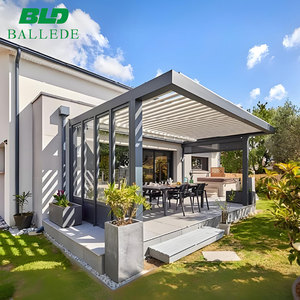
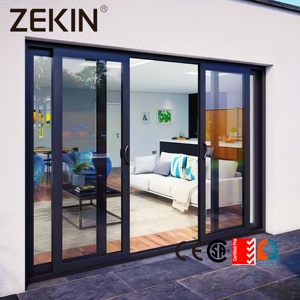
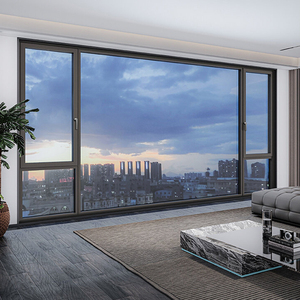
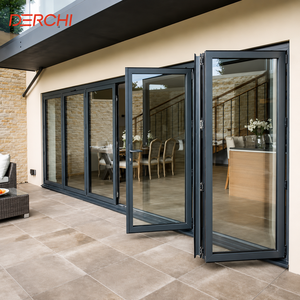
Nagoya Regional Market Analysis: Environmental Forces & Fenestration Engineering
Strategic deployment of heavy-duty, thermal-break aluminium systems across the Chubu economic sphere
The Greater Nagoya metropolitan area—spanning Aichi, Gifu, and Mie prefectures—represents Japan's manufacturing core and an exceptionally rigorous proving ground for architectural building envelopes. Unlike standard temperate zones, Nagoya faces distinct seasonal extremes: blistering, humid summers influenced by the Nobi Plain microclimate, and punishing winter winds (known locally as Ibuki-oroshi) blowing down from the Ibuki Mountains. Concurrently, coastal areas along Ise Bay demand intense structural resistance against salt spray corrosion, seasonal typhoons, and stringent seismic displacement requirements stipulated under the Japanese Building Standards Act (Kenbiku).
As a leading Chinese industrial fenestration manufacturer with a 180,000㎡ consolidated production facility, Guangdong Dejiyoupin Doors and Windows Co., Ltd. (DERCHI) bridges high-volume manufacturing economies of scale with uncompromising technical compliance. Our architectural profile extrusions, multi-point locking gear, and insulated glazing units (IGU) are engineered precisely to satisfy the technical performance metrics expected by Japanese general contractors (Zenecon), local architects, and tier-one importers.
Urban Redevelopment (Meieki & Sakae)
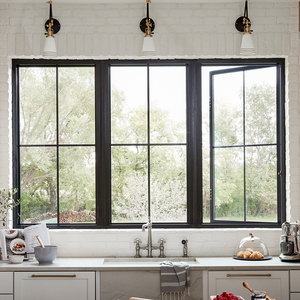
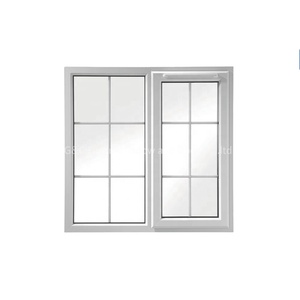
Commercial mid-to-high-rise projects around Nagoya Station and Sakae require high sound transmission loss (STC > 38 dB) and high wind pressure ratings (S-6/S-7). Our reinforced thermal-break casement systems isolate ambient high-speed rail noise while preserving structural facade integrity during crosswinds.
Modern Residential Suburbs (Hoshigaoka & Yagoto)
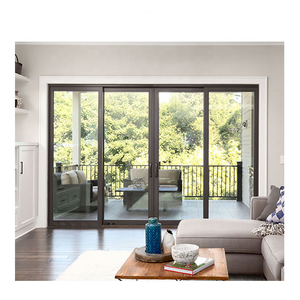
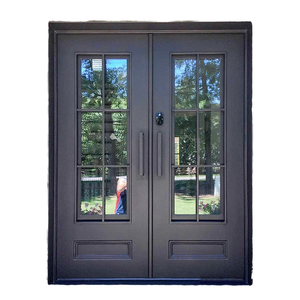
Upscale residential enclaves in Chikusa and Showa wards favor minimalist, floor-to-ceiling panoramic sliding systems and cast aluminum luxury entrance doors. Featuring concealed multi-point sash hardware, zero-barrier threshold transitions, and ultra-low U-values compliant with Japan's Top-Runner energy standards.
Industrial Coastal Facilities (Port of Nagoya)
Warehouses, headquarters, and logistics complexes around the Port of Nagoya face airborne chlorides and typhoon squalls. We supply fluorocarbon (PVDF) 3-coat electrodeposition profiles and AS 2047 N6 wind/water-tested assemblies that stop corrosion and maintain airtightness at pressures exceeding 4500 Pa.
Engineering Compliance: DERCHI vs. Japanese Fenestration Standards
A rigorous evaluation showing alignment with JIS A 4702, JIS A 4706, and international building safety protocols
| Performance Vector | Japanese Industrial Standard (JIS) Target | DERCHI Factory Standard (AS2047/NFRC/ISO) | Specific Regional Advantage in Nagoya |
|---|---|---|---|
| Wind Pressure Resistance (風圧性) | Grade S-5 to S-6 (2400 - 2800 Pa) | Up to 4500 Pa (Exceeds AS 2047 N6 & Cyclone ratings) | Total structural resistance during seasonal Ise Bay typhoons |
| Water Tightness (水密性) | Grade W-4 to W-5 (350 - 500 Pa) | Grade W-5+ (Up to 700 Pa tested pressure drop) | Prevents monsoon rainwater backflow under sustained horizontal wind drives |
| Air Tightness (気密性) | Grade A-4 (2 m³/(h·m²) at 100 Pa) | Grade A-4 Class 1 (Multi-chamber EPDM dual-compression) | Eliminates winter chill leakage caused by regional Ibuki-oroshi gales |
| Thermal Insulation (断熱性) | H-5 to H-6 (U-value ≤ 1.6 W/m²·K) | U-value down to 1.1 W/m²·K (Polyamide PA66GF25 Thermal Strip) | Fully satisfies Japanese ZEH (Net Zero Energy House) incentive guidelines |
| Surface Durability & Anti-Corrosion | JIS H 8602 Composite Anodizing / PVDF Class 1 | AAMA 2605 / 3-Coat AkzoNobel Fluorocarbon Finish (70% Kynar 500) | Immunity to atmospheric marine chloride degradation near coastal port industrial zones |
Key Market Drivers Transforming Fenestration in Aichi Prefecture
Why commercial builders and regional distributors are diversifying procurement toward elite tier-one Chinese factories
Supply Chain Diversification & Margin Pressures
Escalating domestic labor overhead and materials costs inside Japan have squeezed developer margins. Sourcing directly from verified Chinese manufacturers provides a 25–40% material procurement advantage without sacrificing precision tolerances or engineering documentation.
Transition to Decarbonized ZEH/ZEB Construction
With Japan mandating updated energy efficiency compliance for all newly built structures by 2025, builders in Nagoya are actively sourcing advanced double- and triple-glazed Low-E profiles with argon fills to lower overall building HVAC consumption loads.
Architectural Demand for Large-Span Apertures
Traditional catalog sizes no longer satisfy avant-garde villa builds in Aichi. Architectural practices increasingly demand oversized pivot doors, floor-to-ceiling bifold systems, and concealed frames that necessitate customized extrusion dies and structural FEA analysis.
Why Major Regional Projects Trust DERCHI as Their Direct Supplier
Combining world-class production infrastructure with dedicated architectural engineering support
Direct Engineering Shop Drawings (Free CAD/BIM)
Our internal technical team produces complete cross-sectional elevations, thermal performance simulations, and structural anchorage calculations matching your Japanese architectural schedules prior to raw material extrusion.
Certified International Traceability
Every shipment is accompanied by mill test reports, glass tempered stress certs, and independent lab verifications covering ISO 9001, CE, AS 2047, and North American NFRC performance validations.
Direct Sea Freight from South China to Nagoya
Located in Foshan adjacent to major deepwater container ports (Nansha & Shekou), we offer direct 5 to 7-day sea transit lines directly to the Port of Nagoya, fully packed in seaworthy, steel-reinforced export crates.
Frequently Asked Questions: Sourcing Aluminium Doors for Japan
Clear, definitive technical and commercial answers for developers, builders, and trading entities