Engineered Architectural Fenestration Systems
Explore our premium product portfolio of extruded thermal break aluminum and composite fenestrations optimized for Central American climates.
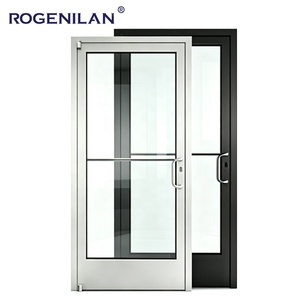
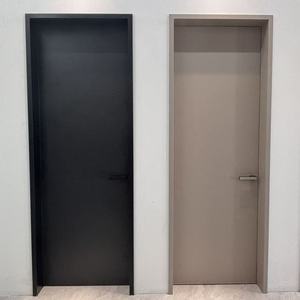
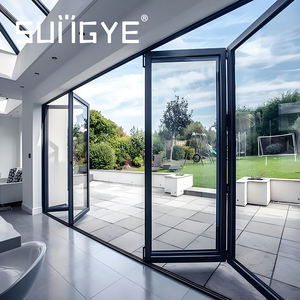
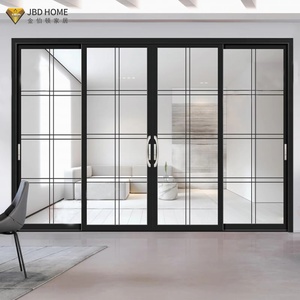
Engineering Cladding for Panama's Microclimates
A comprehensive architectural whitepaper detailing material stability, thermal dynamics, and salt-spray defense across the Isthmus of Panama.
Severe Corrosion Resistance
Panama City's coastal high-rises along Avenida Balboa, Costa del Este, and Punta Pacifica face extreme relative humidity (frequently exceeding 85%) paired with aggressive airborne chlorides from the Pacific Ocean and Caribbean Sea. Our exterior aluminum cladding employs extruded 6063-T6 architectural alloy treated with a fluoropolymer PVDF coating exceeding AAMA 2605. This prevents chalking, fading, and electrolytic pitting for decades without degradation.
Thermal Bridge Elimination
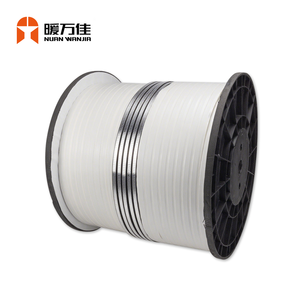
Tropical microclimates require managing heavy solar heat gain and non-stop HVAC cooling loads. Standard aluminum profiles transfer thermal loads rapidly, taxing air conditioning compressors and causing interior perimeter condensation. By integrating polyamide PA66 GF25 thermal barriers and triple-glazed Low-E combinations with warm-edge spacers, our systems achieve U-values as low as 1.1 W/m²K, optimizing Solar Heat Gain Coefficients (SHGC) for tropical building performance.
Acoustic & Tropical Rain Defense
The intense downpours of Panama's rainy season (Veranillo and wet cycles) demand advanced water tightness and pressure equalization. Our multi-point continuous EPDM compression gaskets achieve a water penetration resistance of up to 600 Pa. Internally, the structural natural wood core insulates against bustling urban noise from arterial transit systems, generating up to 45 dB acoustic STC isolation for premium interiors.
Technical Specification Matrix & Performance Standards
Engineered to satisfy Panamanian building codes (REP-04) alongside North American and European building directives.
| Performance Characteristic | Testing Benchmark / Standard | DERCHI Factory Achieved Metrics | Panama Regional Advantage |
|---|---|---|---|
| Structural Wind Load | AS2047 N6 / ASTM E330 | Up to 4500 Pa (Design Pressure > 90 psf) | Withstands Pacific coastal gusts & high-rise pressures |
| Water Tightness | AAMA 501.1 / ASTM E331 | 600 Pa (Static & Cyclic Pressure) | Total leakage prevention during heavy tropical rainfall |
| Thermal Conductivity (U-Factor) | NFRC 100 / ISO 10077-2 | 1.1 – 1.6 W/m²·K (Dependent on Glazing) | Drastically lowers HVAC consumption in humid conditions |
| Surface Finish Stability | AAMA 2605 / Qualicoat Seaside Class 3 | >3000 Hours Salt Spray (ISO 9227) | Maximum resistance to marine atmospheric corrosion |
| Acoustic Attenuation | ASTM E90 / ISO 717-1 | STC 38 dB – 45 dB (Multi-Chambered Glass) | Eliminates urban transit sound and torrential rain acoustics |
Localized Applications Across Panama
Bespoke fenestration engineering suited for beachfront estates, high-density metropolitan towers, and mountain retreats.
Metropolitan High-Rises (Panama City)
In vertical epicenters such as Punta Paitilla, Costa del Este, and Santa María, large-span window-to-wall ratios are the norm. Our structural aluminum clad systems withstand high floor-to-ceiling lateral pressures while maintaining ultra-slim sightlines that highlight the Bay of Panama and skyline panoramas.
Pacific & Caribbean Luxury Villas
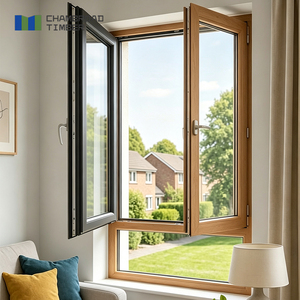
For beachfront developments in Coronado, Buenaventura, and the Bocas del Toro archipelago, exterior surfaces face severe saline exposure. Exterior aluminum envelopes shield internal sustainably-sourced oak or pine cores, pairing coastal resilience with high-end interior aesthetics.
Highland Estates (Boquete & Volcán)
The mountainous Chiriquí highlands feature dramatic thermal shifts, cooler night temperatures, and mist. Aluminum clad wood balances interior warmth with exterior waterproofing, eliminating condensation cycles while maintaining steady, comfortable indoor living environments.
Trends Shaping the Panamanian Architectural Market
Market factors driving developers and structural engineers away from single-material aluminum toward hybrid clad assemblies.
1. EDGE & LEED Green Building Certifications
Panama's building sector is rapidly adopting sustainable construction frameworks. Clad systems with integrated polyamide thermal breaks lower residential thermal transfer coefficients, helping projects meet EDGE (Excellence in Design for Greater Efficiencies) guidelines and lower national power grid demands.
2. Large-Format Minimalist Glazing Systems
Modern luxury designs demand sweeping expanses of glass. Standard timber frames warp under seasonal moisture, while basic non-thermal aluminum frames lack aesthetic warmth. Aluminum clad technology combines exterior structural stiffness with interior architectural finishes, accommodating expansive glass layouts.
3. Comprehensive Total Life-Cycle Value
Commercial developers and private clients are moving away from short-life materials that deteriorate in maritime climates. Clad products eliminate the interior painting and exterior frame maintenance common with traditional timber and non-anodized materials, lowering 30-year lifecycle upkeep.
Our Manufacturing Scale & Engineering Edge
Direct supply from Guangdong Dejiyoupin Doors and Windows Co., Ltd. (DERCHI) — ranked among China's Top 10 fenestration leaders.
180,000㎡ Production Footprint
Operating a dedicated industrial production complex with advanced European CNC extrusion, corner-crimping, and profile-cutting machinery. Our facilities deliver accurate, dependable quality across large residential developments and fast-track commercial orders.
Free Technical CAD & BIM Drafting
We work directly alongside Panamanian architects, estimators, and MEP consultants. Before fabrication begins, our engineering division delivers bespoke CAD shop drawings, glass stress analysis, wind load calculations, and structural connection details.
Secure Marine Packaging & Logistics
Located near major South China export hubs, we offer direct ocean freight to the Port of Balboa (Pacific) and Port of Manzanillo / Colón (Atlantic). Every unit is shipped in reinforced, fumigated plywood crates with moisture-absorbent desiccant wraps to protect cargo in transit.
Procurement & Technical FAQ for Panamanian Buyers
Practical technical guidance for Panamanian real estate developers, general contractors, and private villa builders.
How do aluminum clad wood windows handle Panama's seasonal humidity?
Standard wood windows often swell, bind, and rot in Panama's rainy season. Our systems attach exterior extruded aluminum profiles using floating nylon connectors. This engineering approach lets the aluminum expand under tropical sun while shielding the inner timber from exterior moisture, keeping the interior structure dry and stable year-round.
Can your fenestration assemblies pass Panama City municipal structural codes?
Yes. Panama enforces structural guidelines under the REP (Reglamento de Edificaciones de Panamá). Our systems are certified under AS2047, CE, and tested to ASTM structural wind-load parameters, reaching design pressures above 4500 Pa—more than sufficient for seaside high-rises on Avenida Balboa or Costa del Este.
What shipping routes and transit timelines apply from your factory to Panama?
Production cycles range between 25 and 35 days, depending on custom profile extrusion requirements. Ocean transport from Shenzhen or Guangzhou ports to Balboa or Colón averages 24 to 32 days on direct container lines, complete with full export documentation (BOL, Commercial Invoice, Certificate of Origin, and Packing Lists).
Do you manufacture custom sizes and irregular architectural geometries?
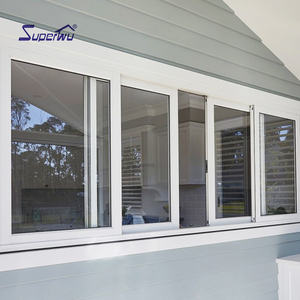
Yes, we are a direct OEM/ODM fabricator. Every project is made to order, from multi-panel bi-fold glass walls and panoramic sliding doors to arched, circular, or triangular windows. We customize extrusion profiles, powder colors, timber species, and glass makeups according to your architectural schedule.
How does the exterior finish perform against high ocean salt spray?
We specify high-grade fluorocarbon PVDF and AAMA 2605 powder coatings tested against severe salt-fog chambers for up to 3,000 hours without bubbling or blistering. For projects within 500 meters of the coastline, we also offer pre-anodized marine treatments to maximize barrier protection.
Can smart locking hardware and motorized operators be integrated?
Yes. We integrate smart building management systems (BMS), motorized concealed window actuators, biometric keypad deadbolts, and multi-point perimeter security locking mechanisms sourced from leading German and European hardware partners.
Ready to Engineer Your Panamanian Fenestration Project?
Connect with our technical design department today. We review your door and window schedules, evaluate your structural needs, and supply preliminary CAD shop drawings along with an itemized factory-direct quote.
Contact Us