Engineered Aluminum Systems for Malaysian Developments
Discover 8 high-performance door and window profiles developed specifically to endure equatorial humidity, extreme rainfall bursts, and rigorous architectural building standards.
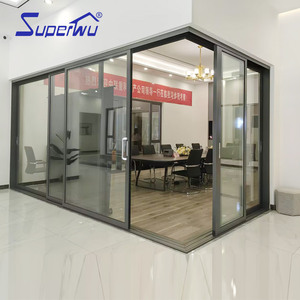
Superhouse NFRC Lift & Sliding Thermal Patio Doors
Heavy-duty multi-track lift-sliding system engineered with reinforced polyamide thermal breaks, providing outstanding U-values for high-end residential towers.
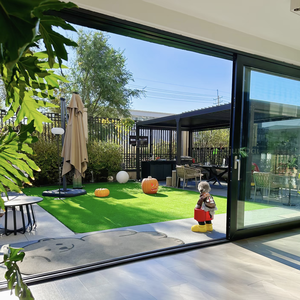
Modern Double Glazed Aluminum Sliding Patio Doors
Robust tempered double-pane glazing with multi-point perimeter compression seals to eliminate outdoor traffic resonance in high-density urban corridors.
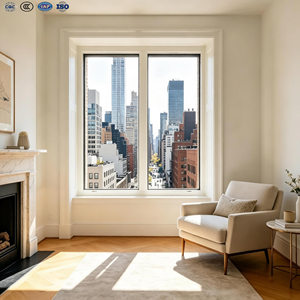
Custom Villa Soundproof Double Glazed Casement Windows
Precision-mitered aluminum casements featuring airtight EPDM triple gasket seals, maximizing acoustic reduction (STC 40+) and high water-head defense.
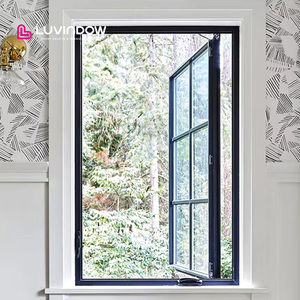
Minimalist Heavy-Duty Crank Handle Casement Windows
Effortless mechanical crank actuation designed for luxury kitchens and penthouses, combining narrow profile sightlines with high cyclical durability.
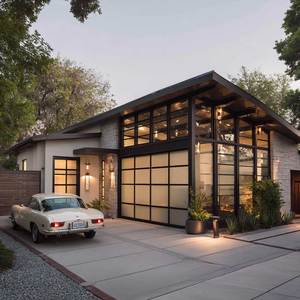
Thermal Break Full-View Overhead Sectional Glass Doors
Architectural aluminum framed garage doors utilizing low-E insulated glass, corrosion-resistant torsion hardware, and motorized smart operation.
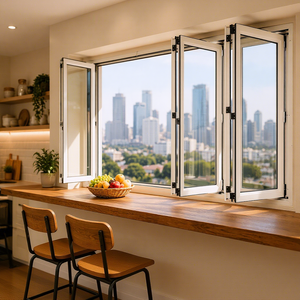
Vertical Bi-Folding Upward Counterbalance Windows
Commercial servery and terrace folding window system featuring smooth gas-strut or counterweight lift systems, expanding active living spaces.
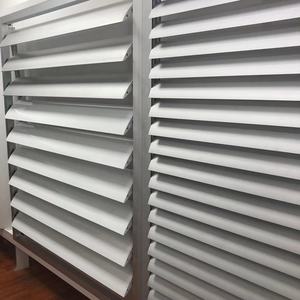
Motorized Adjustable Architectural Louver Jalousie System
Automated exterior louvered fenestration for optimal natural cross-ventilation, rainfall shielding, and solar shading in tropical villas.
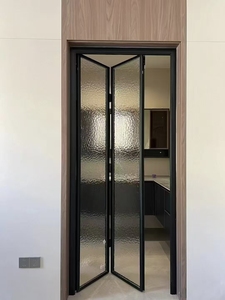
Multi-Panel Thermal Break Aluminum Bi-Folding Doors
Engineered for high water resistance and sound dampening with heavy-duty bottom rollers and multi-point perimeter compression locking latches.
Technical Whitepaper: Engineering Vertical Sliding Fenestration for Kuala Lumpur
The urban building envelope across Kuala Lumpur, Petaling Jaya, and the broader Klang Valley faces an aggressive convergence of tropical microclimates: prolonged solar radiation, torrential monsoon downpours exceeding 2,500 mm annually, relative humidity hovering between 80% and 95%, and localized gust wind pressures induced by high-density skyscrapers. For architects, structural engineers, and facade consultants specifying aluminum vertical sliding windows (hung sash systems), simple domestic grade profiles inevitably fail over time through water ingress, perimeter seal degradation, and sash balance binding.
As an industry-leading China manufacturer operating from our 180,000㎡ intelligent production base in Foshan, Guangdong (DERCHI by Guangdong Dejiyoupin Doors and Windows Co., Ltd.), we deliver specialized architectural vertical sliding sash assemblies engineered directly to surpass the structural and waterproofing benchmarks of Malaysian Standard MS 1017:2014 and Australian standard AS 2047 N6.
Hydrostatic Sill Design & Positive Pressure Water Weeping
Traditional horizontal sliding windows frequently experience ponding along their lower tracks when subjected to sudden Klang Valley cloudbursts. Conversely, our engineered vertical sliding systems utilize stepped sill profiles with integrated internal drainage baffles and weighted non-return flap valves. Under severe cyclonic wind loads, external positive wind pressure closes the drainage flaps against incoming driving rain, while accumulated condensation or track water drains outward through controlled pressure-equalized weep channels once the hydrostatic pressure threshold is attained.
| Performance Characteristic | Test Standard | Engineering Specification (DERCHI / KL Series) | Architectural Relevance |
|---|---|---|---|
| Structural Wind Load Resistance | AS 2047 / MS 1017 | Serviceability: 1,500 Pa to 3,000 Pa | Ultimate: up to 4,500 Pa (N6 Level) | Essential for high-rise residential towers in Mont Kiara and KLCC |
| Water Penetration Resistance | ASTM E331 / AS 4420.5 | Static Pressure Rating: 450 Pa - 700 Pa without leakage | Eliminates interior water damage during torrential Peninsular monsoon bursts |
| Air Infiltration / Tightness | ASTM E283 / AS 4420.4 | < 0.5 L/s·m² at 75 Pa (Extra-Low Air Infiltration classification) | Minimizes mechanical air-conditioning loss and improves chiller energy efficiency |
| Acoustic Transmission (STC) | ISO 10140-2 / ASTM E90 | STC 38 dB to 44 dB (Double Glazed Acoustic PVB Laminated Configurations) | Substantial noise dampening along elevated highway and LRT transit corridors |
| Thermal Transmittance (U-Value) | NFRC 100 / ISO 10077-1 | 1.8 W/m²·K to 2.4 W/m²·K (Thermally Broken 6063-T6 PA66GF25 Profiles) | Significantly reduces building Envelope OTTV (Overall Thermal Transfer Value) |
Localized Application Scenarios Across the Klang Valley Urban Fabric
The Malaysian architectural landscape is characterized by diverse typologies, from hyper-dense commercial mixed-use towers to luxury landed bungalows nestled in tropical valleys. Vertical sliding aluminum windows offer unique functional and spatial advantages across these distinct environments:
High-Rise Condominiums (Mont Kiara & KLCC)
Where projecting awning or casement sashes violate municipal safety clearances or interfere with external facade maintenance rigs, vertical sliding windows maintain an internal flush envelope. Counterbalanced top-down sashes allow safe, controlled natural ventilation even at elevated floor levels subjected to high wind turbulence.
Landed Bungalows (Damansara Heights & Bangsar)
In low-density luxury estates, large-aperture vertical hung windows provide expansive, unobstructed garden vistas without taking up patio walkways. High-grade architectural powder coatings or fluorocarbon (PVDF) finishes ensure the frames remain unaffected by mold, moss, and aggressive tropical humidity.
Transit-Oriented Units (MRT/LRT Corridors)
Residential and serviced suites constructed near major transport arteries such as the Federal Highway, Jalan Ampang, or elevated rail lines benefit from double-sealed vertical sliding sashes paired with asymmetric laminated acoustic glazing (e.g., 6mm + 1.14PVB + 8mm), lowering indoor ambient decibels to quiet residential standards.


Emerging Architectural Trends & Green Building Index (GBI) Alignment
Malaysia's construction ecosystem is rapidly adopting strict environmental guidelines governed by the Green Building Index (GBI) and the Uniform Building By-Laws (UBBL) Clause 38A, which mandates rigorous Overall Thermal Transfer Values (OTTV ≤ 50 W/m²) for air-conditioned commercial and high-density residential structures. The specification of building envelopes in Kuala Lumpur is consequently shifting from conventional single-glazed uninsulated assemblies to high-performance fenestration technologies:
1. Widespread Shift Toward Thermally Broken 6063-T6 Aluminum
Under continuous equatorial sun exposure, exterior frame surface temperatures frequently exceed 55°C. Without thermal breaks, aluminum acts as a thermal bridge, radiating heat directly into conditioned interior spaces and increasing chiller loads. By crimping high-density 24mm to 34mm polyamide PA66 GF25 insulating strips into primary frame extrusions, our assemblies decouple interior and exterior temperature differentials, curtailing indoor air conditioning operational costs by up to 28%.
2. Spiral Balance Mechanics vs. Traditional Weight-and-Pulley
Historically, vertical sliding sashes were burdened by high friction and mechanical failure. Modern projects specify constant-force torsion spiral balances or heavy-duty block-and-tackle balances concealed invisibly inside the aluminum jamb chambers. These mechanical counterbalances allow sashes weighing up to 80 kg to be actuated smoothly with less than 20 N of manual operating force, and include tilt-in hardware latches that enable safe interior cleaning of external glass panes in high-rise applications.
3. Low-E Selective Glazing & Argon-Filled IGU Configurations
Specifying soft-coat Low-Emissivity (Low-E) double-glazed units (IGUs) filled with 90% dry argon gas significantly moderates the Solar Heat Gain Coefficient (SHGC ≤ 0.32) while maintaining visible light transmittance (VLT ≥ 62%). This ensures vibrant natural daylighting across open Malaysian interior floor plans while blocking infrared heat and UV degradation of interior furnishings.
Why Malaysian Developers & Main Contractors Partner Direct with DERCHI
Navigating the supply chain from Chinese manufacturing centers to job sites in Kuala Lumpur, Selangor, and Penang requires an industrial partner who balances automated production capacity with meticulous export-grade compliance. Guangdong Dejiyoupin Doors and Windows Co., Ltd. (DERCHI) stands among China's Top 10 recognized window and door manufacturers, providing clear operational advantages:
Certified Engineering Verification
Every window unit is fabricated to certified standards, backed by international AS 2047, CE, ISO 9001, and UL fire-rated certifications. Comprehensive structural calculation sheets and third-party laboratory test reports are provided directly for local project submittals and local authority approvals.
Streamlined Logistics via Port Klang
Operating from our base in Foshan, South China, we utilize direct deep-water port sailings out of Nansha and Shekou ports. Standard oceanic transit to North Port or West Port in Port Klang takes just 5 to 7 days, eliminating extended shipping lead times common with northern manufacturing clusters.
Same Time Zone (GMT+8) Engineering
Our dedicated project engineering and sales teams operate on the exact business schedule as Kuala Lumpur. From preliminary architectural markup to BIM/CAD shop drawing revisions, all technical inquiries receive immediate, real-time responses without communication delays.


Frequently Asked Questions: B2B Procurement for Malaysian Projects
Direct responses to common technical, logistical, and commercial queries raised by Malaysian developers, quantity surveyors, facade contractors, and architectural specifiers: