CE EN 14351-1
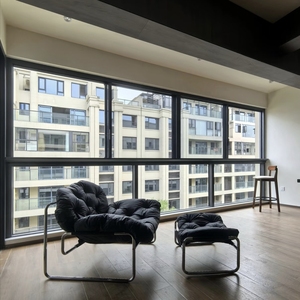
Precision-machined at our Foshan manufacturing hub under ISO 9001, AS 2047, and CE EN 14351-1 parameters. These eight architectural systems are specifically structured to resist the demanding tropical monsoons, salt-spray air, and intense seismic-wind dynamics found across Luzon, Visayas, and Mindanao.
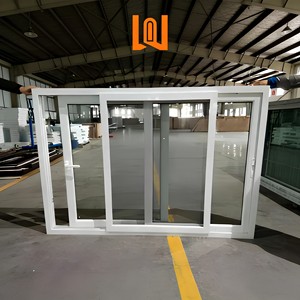
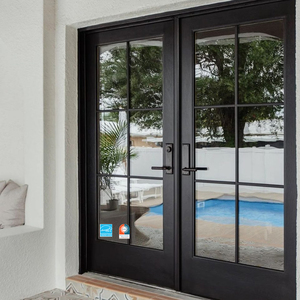
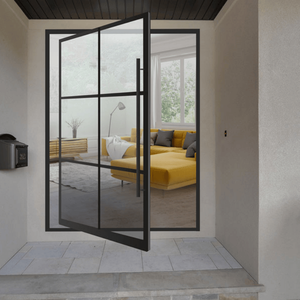
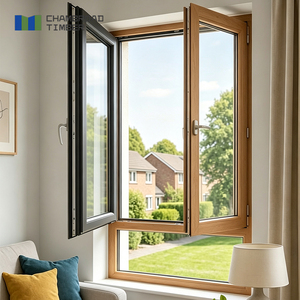
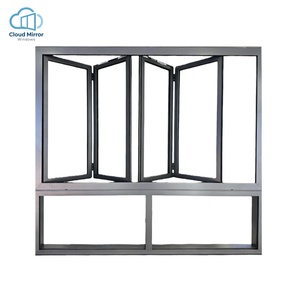
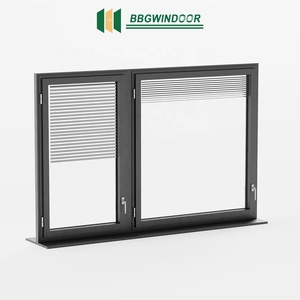
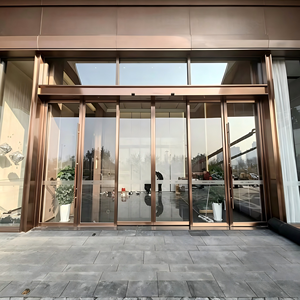
Headquartered in Foshan, Guangdong—the global epicenter of precision architectural extrusion—DERCHI stands as a premier Tier-1 door and window manufacturing power. Serving Philippine general contractors, real estate developers, and design firms with seamless direct export capabilities.
The Philippine building envelope presents extreme engineering demands: high cyclic wind pressures, driving monsoon rainfalls (Habagat season), elevated humidity, and corrosive coastal saline atmospheres. Standard commercial fenestration systems frequently suffer from track overflow, sash deflection, and electrolytic hardware breakdown within 24 to 36 months of installation.
DERCHI has systematically addressed these architectural vulnerabilities. Validated through our active presence at WORLDBEX Manila, our technical teams collaborate directly with Philippine developers and architects across Bonifacio Global City (BGC), Makati, Cebu IT Park, and Davao to engineer bespoke fenestration solutions.

From dense urban high-rises along Manila Bay to exposed cliffside villas in Boracay and Siargao, our sliding window systems are tailored to project-specific structural and environmental requirements.
High-density urban cores face severe acoustic stress from EDSA transit corridors combined with intense wind vortex effects at elevations exceeding 30 floors. Our minimalist double-glazed sliding windows incorporate laminated acoustic PVB interlayers (Rw ≥ 38 dB) and reinforced structural interlocks designed to withstand negative wind suction pressures without sash vibration or rattling.
Waterfront luxury residences require unhindered ocean panoramas alongside robust protection against airborne salt chlorides and driving cyclonic rains. We supply multi-track sliding panels with ultra-slim sightlines, engineered using marine-grade AkzoNobel powder coatings or fluorocarbon (PVDF) finishes exceeding 3,000 hours of neutral salt spray testing (ASTM B117 compliance).
Elevated Philippine regions experience persistent dampness, morning fog condensation, and pronounced day-to-night temperature fluctuations. Utilizing our polyamide PA66 thermal barrier sliding systems with argon-filled warm-edge spacer insulating glass, we eliminate internal perimeter sweating, stop mold propagation, and optimize residential thermal efficiency.
Examining structural dynamics, environmental building codes, and material selection paradigms defining modern Philippine architecture.

Mandated under the Department of Public Works and Highways (DPWH), the Philippine Green Building Code has elevated the performance threshold for building envelopes. Architects and real estate developers are now obligated to minimize Window-to-Wall Ratios (WWR) heat gain, emphasizing lower Solar Heat Gain Coefficients (SHGC ≤ 0.35) and superior U-values (≤ 2.8 W/m²K).
Traditional single-glazed, non-thermal aluminum sliding frames act as thermal conductors, forcing heating and air-conditioning systems into hyper-consumption. DERCHI supplies advanced polyamide thermal break profiles integrated with double-glazed soft-coat Low-E units, blocking up to 78% of incoming solar infrared radiation while maintaining high visible light transmittance (VLT ≥ 62%).
| Evaluation Parameter | DERCHI Heavy-Duty Thermal Break Aluminium | Standard Local Commercial Aluminium | Standard UPVC Vinyl Sliding Systems |
|---|---|---|---|
| Typhoon Wind Load Resistance (Pa) | 4000 – 5000 Pa (Certified AS 2047 N6) | 1200 – 1800 Pa (Prone to deflection) | 1500 – 2200 Pa (Requires steel reinforcement) |
| Water Tightness & Drainage | Multi-stage stepped sill, 600 Pa test pressure | Flush track, 150 Pa (Backflow hazard) | Welded chamber, 250 Pa |
| Thermal Transmittance (U-Value) | 1.8 – 2.4 W/m²·K (PGBC Compliant) | 5.8 – 6.2 W/m²·K (Severe heat ingress) | 2.0 – 2.6 W/m²·K |
| UV & Heat Distortion Resistance | Zero thermal deformation up to 180°C | High thermal expansion, frame warping | Chalking, yellowing, profile warping >45°C ambient |
| Marine Saline Corrosion Resistance | Qualicoat Class 2 / PVDF (C5-M Marine Rated) | Thin mill finish or anodizing <10µm (Pitting) | Unaffected profile, hardware corrodes quickly |
| Structural Sightlines & Panel Span | Ultra-slim (down to 25mm), panel spans >3.2m | Bulky mullions required for wind load | Thick sash profiles, span limited <2.4m |
Guangdong Dejiyoupin eliminates the common friction points associated with cross-border fenestration procurement through institutionalized manufacturing, digital drawing coordination, and export packaging systems.
Prior to profile extrusion or CNC cutting, our engineering bureau provides detailed 2D shop drawings, opening elevations, and Revit BIM models matching your architectural schedule.
Our manufacturing lines operate strictly within ISO 9001 quality management standards, holding CE EN 14351-1, Australian AS 2047, and UL fire ratings accepted by Philippine building officials.
Sliding systems undergo multi-layer protection: polyethylene scratch film, shock-absorbing cellular EPE foam corner protectors, and IPPC-stamped fumigated solid plywood enclosed crates.
Situated immediately adjacent to South China container hubs, our regular oceanic container shipments reach Manila Port in just 4 to 7 transit days, minimizing project delivery schedules.

Every fenestration batch exported to the Philippines is documented with material mill certificates (6063-T6 aluminum alloy composition), glass safety tempering certificates (ANSI Z97.1 / BS 6206 / CCC), and EPDM dual-durometer gasket aging reports.
Our sliding window hardware is selected exclusively from German Tier-1 suppliers (HOPPE, Siegenia, GU) or heavy-duty proprietary precision rollers engineered with 304/316 stainless steel ball bearings. Each sash is rated to cycle smoothly across 100,000 open-close sequences without track scourging or operational friction creep.
Detailed, professional answers covering wind codes, logistics documentation, surface treatments, and site installation protocols for architects, builders, and importers.
Connect directly with our engineering sales division. Submit your window schedule, architectural elevation drawings, or bill of quantities (BOQ) to receive comprehensive technical CAD shop drawings, glass thermal performance calculations, and an itemized factory-direct export proposal within 24 business hours.
Get Catalog