Structural Symbiosis: Why Aluminium Clad Timber Dominates High-End Specifications
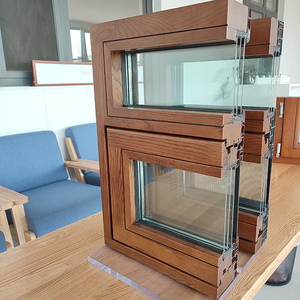
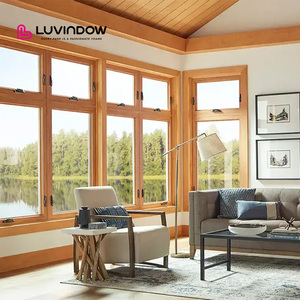
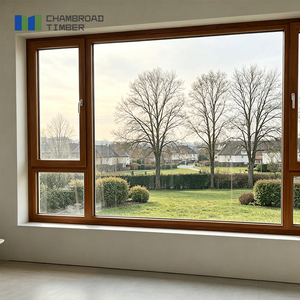
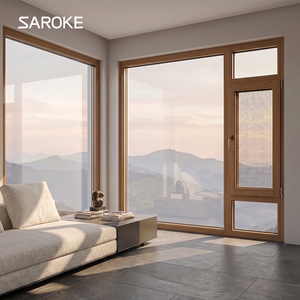
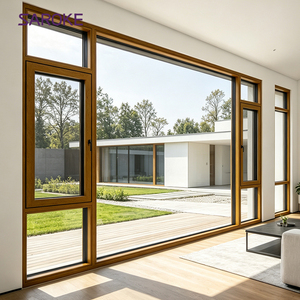
In modern architectural fenestration, the quest for optimal building envelope efficiency has moved beyond conventional pure timber or standard thermal break aluminium assemblies. The engineering behind Aluminium Clad Timber Windows (alu-clad timber) solves the core limitations of single-material profiles. By mechanically coupling an exterior architectural-grade extruded aluminium shell (6063-T6 or 6060-T66) with an interior laminated structural timber core via specialized composite nylon or POM clips, manufacturers effectively neutralize differential thermal expansion while eliminating cold bridging.
The interior solid wood—sourced typically from FSC-certified European Larch, North American White Oak, or Siberian Pine—acts as a natural thermal insulator. Timber possesses a thermal conductivity (λ) of roughly 0.13 W/(m·K), whereas raw aluminium stands at roughly 205 W/(m·K). By maintaining the timber core entirely on the heated interior boundary layer, internal condensation and dew-point crystallization are systematically prevented. Conversely, the exterior aluminium shield receives electrostatically applied fluorocarbon (PVDF) or architectural powder coatings that offer salt-spray resistance over 3,000 hours, completely shielding the organic timber from UV degradation, moisture ingress, fungal attack, and dimensional shifting.
DERCHI's research and development division, operating out of our expansive Foshan industrial base, incorporates multi-layered composite EPDM perimeter gaskets imported from European compounding facilities. Utilizing closed-cell co-extrusion technology, these triple and quadruple weatherseals provide uninterrupted airtightness conforming to EN 12207 Class 4 standards and dynamic watertightness up to EN 12208 Class 9A (exceeding 600 Pa test pressure).