Security Grade
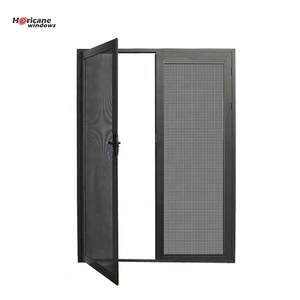
Explore our export-ready, CE-certified interior profile systems, sliding mechanisms, and exterior protection solutions engineered to EN structural standards.
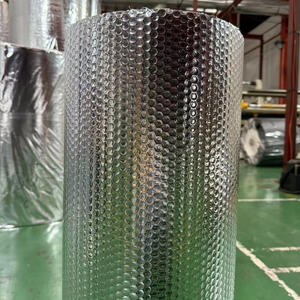
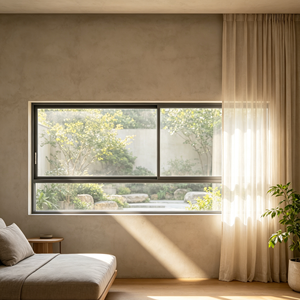
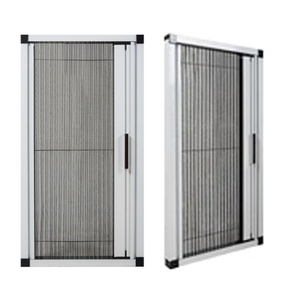
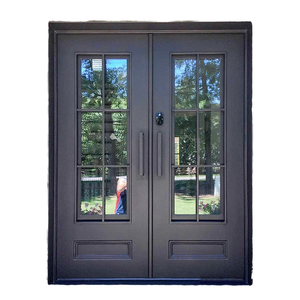
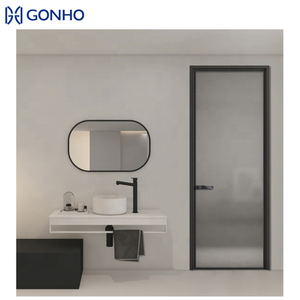
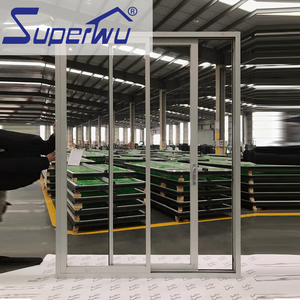
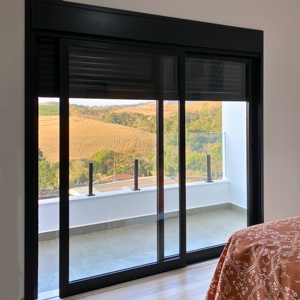
As commercial interior architecture and modular kitchen engineering advance toward high-strength, lightweight, and low-VOC material choices, aluminium cupboard doors have transitioned from modern niche components into commercial standard systems. Sourcing certified systems requires an exhaustive understanding of metallurgical structural integrity, surface anodization micron depth, and regulatory conformance. In particular, securing CE marking indicates conformity with European health, safety, and environmental protection standards under the Construction Products Regulation (CPR 305/2011/EU), ensuring structural stability and non-toxicity across interior cabinetry assemblies.
Material Advantage: Unlike conventional MDF, particleboard, or HPL laminated doors that degrade, expand, or emit formaldehyde fumes in humid environments, 6063-T5 aluminium alloy frame assemblies deliver dimensional stability, zero expansion coefficients under varying relative humidity, and infinite cycle recyclability.
A certified aluminium cupboard door system incorporates specialized extrusion technology to support frameless aesthetic glass, sintered stone, or flush metal panels. Precision wall thicknesses typically range from 1.2mm to 2.0mm, calibrated to prevent torsional warping along tall vertical spans (exceeding 2,700mm) without overburdening the integrated soft-close concealed pivots. Key considerations for mechanical engineering include:
Utilizing virgin 6063-T5 architectural billet extrusions guaranteed to resist cyclic stress cracking, ensuring straightness tolerances under ±0.3mm across 3-meter spans.
Grade 15μm-20μm anodized finishes and AkzoNobel fluorocarbon (PVDF) electrostatic powder coatings tested to resist salt-fog corrosion for over 1,000 hours.
Concealed high-pressure zinc-alloy corner brackets tightened with stainless steel mechanical screws ensure joints maintain clean 45-degree miter alignments permanently.
When selecting a manufacturer for commercial hotel wardrobes, medical storage units, or high-end residential kitchen cupboards, procurement officers must compare real mechanical parameters rather than relying on surface aesthetics:
| Performance Parameter | Certified Aluminium Profile | Standard Commercial Aluminium | Traditional MDF / HDF Substrates |
|---|---|---|---|
| CE Certification & Reaction to Fire | Class A1 / A2 Non-combustible (EN 13501-1) | Uncertified / Unknown | Class B or D (Combustible, releases smoke) |
| Formaldehyde Emission | Zero (E0 / VOC-free inert metal) | Zero (Untreated profile) | E1 / CARB P2 requires resin adhesive |
| Moisture Swelling & Delamination | 0% Volumetric expansion at 100% RH | 0% Volumetric expansion | 12% to 25% swelling along edges |
| Hardware Cycle Life | >100,000 Operating cycles (EN 15338) | 30,000 Operating cycles | Screw holding loosens after repeated use |
| Max Unsupported Height | Up to 3,200 mm without bowing | Limited to 2,200 mm | Requires structural straighteners over 2,100 mm |
The global interior architectural sector is experiencing a clear structural evolution. Buyers navigating project tenders through 2026 and beyond must account for these technical procurement trends:
1. Ultra-Narrow Sightlines & Integrated Ergonomics: Heavy visible frames have been superseded by ultra-slim front faces (between 6mm and 12mm visible lip) capable of gripping 4mm safety tempered fluted glass, smart switchable privacy glass, or acoustic honeycomb backing. Integrated CNC handle channels eliminate post-drilled hardware, maintaining clean minimalist planes.
2. Magnetic Soft-Close Dampening & Smart Actuation: Future specifications rely on silent mechanical dampening systems and magnetic latching profiles that maintain door closure pressure, preventing dust ingress into internal cupboard chambers without degrading silicone buffer strips over time.
3. Traceable Low-Carbon Secondary Aluminium: European and Australasian developers require lower embodied carbon disclosures. Sourcing aluminium manufactured using hydroelectric smelting with traceable scrap-recovery percentages (Circular Economy compliance) is rapidly becoming a baseline tender criterion.
Combining 25+ years of extrusion mastery, precision fabrication facilities, and localized engineering support to de-risk commercial door procurement.
Equipped with computerized German CNC profile machining centers, automated cutting lines, and precision assembly lines based in Foshan, Guangdong.
Certified to CE, Australian AS2047, ISO 9001, and UL fire ratings. Full test documentation prepared for rapid local building authority sign-offs.
Our dedicated engineering studio generates complimentary shop drawings, millwork opening schedules, and custom hardware integration schemes prior to production.
English-speaking technical engineers operating on GMT+8 time, coordinating fast quoting, seaworthy export crating, and direct port shipments.
Technical clarity for project managers, interior contractors, and cabinet fabricators.
Submit your door schedules, CAD layouts, or project specifications. Our structural engineers provide comprehensive proposals, load calculations, and free shop drawings within 24 business hours.
Send an Inquiry