High-Performance Architectural Doors & Windows
Engineered to international building standards including EN 14351-1, AS 2047, and Miami-Dade hurricane protocols. Explore our specialized system configurations.
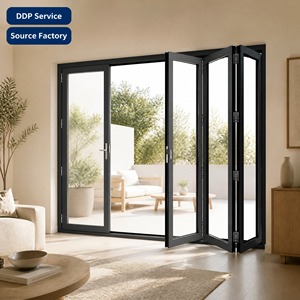 Heavy-Duty Fold
QS Exterior Hurricane Proof Bi Folding Door Accordion Folding Glass Door Aluminium Patio Bifold Doors
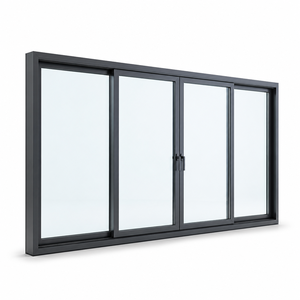 Acoustic Class 4
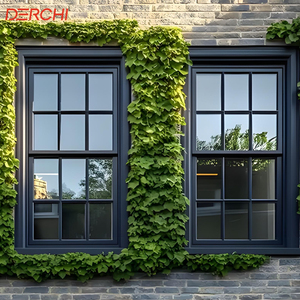 Counter-Balanced
Best Selling Double Hung Window Modern Large Aluminium Commercial Tempered Insulated Vertical Sliding Window for Kitchen
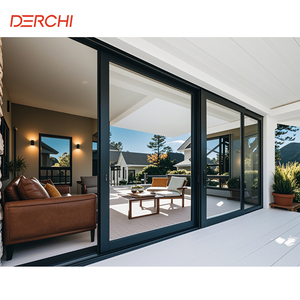 Thermal Break
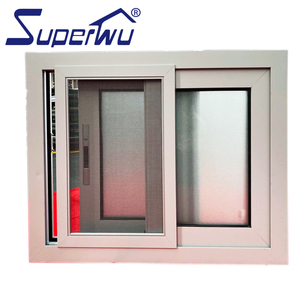 NOA Certified
Florida Miami-Dade Noa Approved Hurricane Proof Impact Aluminum Glass Sliding Window
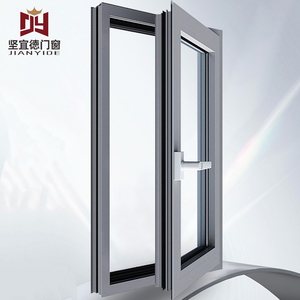 German Hardware
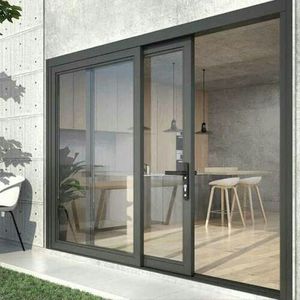 Slimline Sightline
Customized High Quality Aluminium Double Tempered Glass Sliding Doors Energy Efficient More Panels Sliding Door For Sale
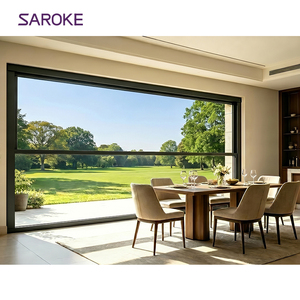 Smart Automation
Electric Powered Thermal Break Black Terrace Large Tempered Glass Double Glazed Aluminum Lift windows
Next-Generation Aluminium Sliding Security Mesh Doors
Moving beyond conventional insect screening, contemporary sliding security mesh doors represent an intersection of structural defense, ballistic shear tolerance, and high-efficiency bioclimatic airflow.
Interlocking Screw-Clamp Technology
Traditional screen installations rely on plastic splines or glue that fail under blunt mechanical impact. Our certified systems utilize a heavy-gauge internal aluminium clamp with continuous stainless steel fasteners, mechanically anchoring the high-tensile mesh matrix within the hollow chamber of the 6063-T6 extrusion. Under EN 1627-1630 resistance testing, dynamic load dispersal prevents perimeter rip-out even under repeated jemmy attacks.
Marine-Grade Material Metallurgy
Corrosion mitigation is critical in coastal, tropical, and sub-tropical developments. We utilize ultra-drawn AISI 316 and 304 wire weave configurations treated with automotive-grade AkzoNobel Interpon powder coat. Subjected to exceeding 3,000 hours of continuous ASTM B117 salt spray testing, the mesh exhibits zero blistering, pitting, or bi-metallic galvanic corrosion against the adjoining treated aluminium sash profile.
Bioclimatic Airflow & UV Rejection
Engineered with precisely calculated aperture ratios (11-mesh to 14-mesh configurations), the woven wire diameter provides an uninhibited natural airflow coefficient of over 42%, drastically reducing HVAC compressor loads in warm seasons. Simultaneously, the matte black micro-mesh absorbs solar glare and filters up to 60% of incident ultraviolet rays, safeguarding luxury interior furnishings without sacrificing optical clarity.
| Performance Characteristic | Standard Fly Screen | Expanded Aluminium Mesh | DERCHI Heavy 316 Security Mesh |
|---|---|---|---|
| Tensile Strength / Wire Shear | < 80 MPa (Fiberglass / Soft Wire) | 180 - 220 MPa (Punched Plate) | 900 - 1150 MPa (Austenitic 316) |
| Dynamic Impact Resistance | Zero Impact Resilience (< 10 Joules) | Moderate (Approx. 60 - 80 Joules) | Passed > 100 Joules Repeated Strike |
| Salt Fog / C5 Marine Resistance | Degrades within 300 hrs | Pitting corrosion within 800 hrs | Over 3,000 hrs ASTM B117 Compliant |
| Knife Shear Resistance Test (AS 5041) | Failed Instantly | Passes Moderate Force | Certified AS 5039/5041 Complete Pass |
| Optical Clarity & Sightlines | Wavy sightlines, high degradation | Heavy diamond obstructs visual field | Clear Vision Architectural Grade Black |
Future Procurement Trends for Global Project Buyers (2025–2030)
Architects, facade consultants, and general contractors are adapting to rigorous building safety standards, carbon emission quotas, and smart-building integration.
1. Unified Multi-Slide Barrier Integration
Developers are moving away from piecemeal add-on screens. Specification documents increasingly mandate three-track and four-track integrated extrusions where the exterior sliding glass panel, middle thermal break layer, and internal heavy security mesh share a unified structural threshold, drainage channel, and architectural sill. This ensures a cohesive facade aesthetic while eliminating water-pooling traps.
2. Concealed Automation & Multi-Point IoT Locking
Smart buildings require security doors to interface with central BMS (Building Management Systems). Modern procurement schedules demand European-style automated belt or magnetic-levitation drives embedded into the top header, coupled with hidden motorized multi-point mushroom cam locks that trigger upon physical closure or sensor input without exposing wiring conduits.
3. Cyclone-Rated Debris Defense Criteria
With coastal storms intensifying across Southeast Asia, Australasia, and North America, project engineers specify security mesh sliding assemblies as secondary impact shielding. When placed in front of insulated laminated glazing, the mesh reduces kinetic shock from wind-borne debris, preventing glass rupture under dynamic wind pressure cycles exceeding AS 2047 N6 ratings.

Intelligent Fenestration Industrial Park located in Shishan Town, Foshan, Guangdong.
DERCHI: Guangdong Dejiyoupin Doors and Windows Co., Ltd.
Recognized among the Top 10 premium door and window manufacturing enterprises in China, DERCHI brings over 25 years of engineering mastery to custom residential estates, luxury hospitality developments, and global commercial infrastructure.
From architectural extrusion optimization and thermal barrier insertion to automated mesh-tensioning stations, our integrated production ecosystem guarantees millimeter tolerance across every export consignment.
- Exhaustive International Certifications: Full testing compliance with CE (EN 14351-1), ISO 9001, Australian AS 2047 N6, and UL fire ratings.
- Engineering-Led Prototyping: Dedicated in-house structural engineers producing comprehensive CAD shop drawings and BIM models tailored to project schedules.
- Over 100+ Patents & Certifications: Proprietary anti-lift roller mechanics, flush-threshold drainage systems, and anti-jemmy security interlocks.
- Global Shipping Logistics: Strategically situated adjacent to Pearl River Delta container ports for accelerated dispatch to Southeast Asia, the Middle East, the Americas, and Europe.
Frequently Asked Questions for B2B Importers & Contractors
Key technical and logistics inquiries addressed by our senior fenestration engineering group.