China Best Aluminum Hurricane Windows Factory & Exporters
Precision Fenestration Engineering | High-Velocity Hurricane Zone (HVHZ) & AS2047 Compliance
Certified Hurricane-Resistant Product Systems
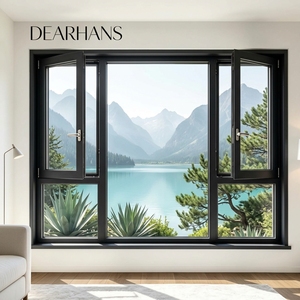
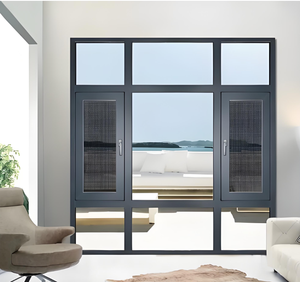
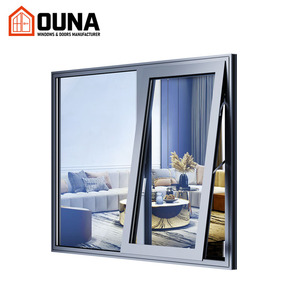
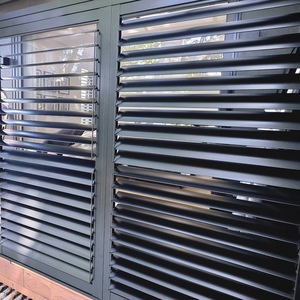
Engineered to counter category 5 supertyphoons, our architectural window line integrates high-tensile 6063-T6 aluminum alloys, structural silicone bonding, and laminated impact glass matrices.
Engineering Whitepaper: Hurricane Fenestration Mechanics
Understanding structural load mechanics, kinetic energy transfer, and coastal weathering variables when importing architectural aluminum envelope systems from China.
Impact Mechanics & SentryGlas® Interlayers
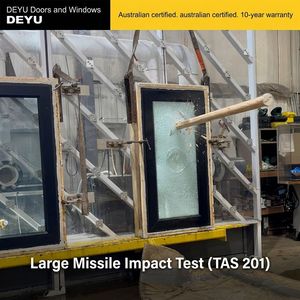
Standard tempered glass shatters immediately upon contact with wind-borne debris, resulting in sudden internal building pressurization and roof failure. High-velocity impact windows produced in our Foshan facility utilize composite laminated make-ups with SGP (SentryGlas® Plus) or multi-layered PVB. SGP interlayers exhibit five times the tear strength and one hundred times the rigidity of conventional PVB, ensuring the envelope remains structurally impermeable even after both glass panes experience fracture.
Structural Aluminum Extrusions & Thermal Integrity
Wall thickness is paramount for fenestration integrity. We cast and extrude architectural 6063-T6 and 6005-T5 structural aluminum alloys with minimum frame profiles of 2.0mm to 3.5mm at critical load anchors. Paired with low thermal conductivity Polyamide (PA66 GF25) techno-polymer thermal breaks, our assemblies decouple outdoor thermal extremes from conditioned interior air, delivering low U-values (down to 1.2 W/m²K) that effortlessly achieve NFRC, Title 24, and Energy Star ratings.
Dynamic Water Penetration & Cyclic Fatigue Testing
Static pressure resistance alone does not guarantee storm performance. During tropical cyclones, fenestrations endure hours of reverse cyclic fatigue coupled with horizontal rainfall. Our test benches simulate positive and negative aerodynamic wind cycles (reaching over 9,000 Pa / 180 psf) in accordance with ASTM E1886/E1996 and Australian AS 2047 N6 criteria. Stepped multi-chamber sill drainage prevents hydrostatic water infiltration under extreme driving forces.
Future Procurement Trends in Hurricane Window Manufacturing
Macro analysis of structural engineering demands, carbon border taxes, and supply chain shifts defining international fenestration imports through 2030.
Ultra-Slim Sightlines with Massive Spans
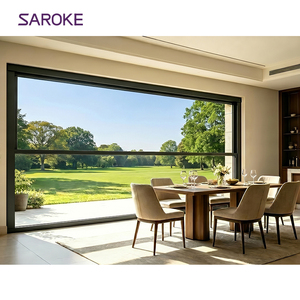
Luxury coastal real estate development demands unobstructed panoramic views. The industry is discarding bulky intermediate mullions in favor of structurally integrated glass engineering. Future procurement trends focus on structural glass where the impact laminate bears a portion of the dead and live loads, allowing ultra-slim profile margins without compromising Miami-Dade or HVHZ deflection parameters.
De-carbonized Aluminum & Environmental Product Declarations (EPDs)
Global developers face strict ESG benchmarks and green building rating thresholds (LEED, BREEAM). The procurement of hurricane windows from China is shifting rapidly toward recycled aluminum billets smelted with renewable hydro or solar power. Suppliers must provide transparent EPD documentation showing embodied carbon calculations alongside acoustic and cyclone mitigation metrics.
Mechatronic Integration & Intelligent Sealing
The boundary between traditional passive windows and automated building management systems (BMS) is closing. Procurement specifications increasingly require motorized multipoint locking systems, automated magnetic sash retractions, and environmental weather stations that seal vents automatically upon detecting sudden barometric pressure declines associated with oncoming typhoons.
Guangdong Dejiyoupin Manufacturing Powerhouse
Operating a premier 180,000㎡ intelligent production campus in Foshan, Guangdong, our factory bridges heavy industrial fabrication with German-standard fenestration precision. Our vertically integrated facility incorporates custom extrusion tooling, automated CNC machining centers, and climate-controlled cleanrooms for structural silicone glazing and glass lamination.
Ranked among China's Top 10 door and window manufacturers, our solutions safeguard high-rise commercial structures, five-star resorts, and luxury residential estates throughout Florida, the Caribbean Basin, Southeast Asia, Australia, and the Middle East.
Contact UsCertified Conformity
AS 2047 N6, CE, ISO 9001, NFRC, and UL Fire-rated test approvals.
Bespoke Shop Drawings
Complimentary parametric BIM and CAD detailing tailored to exact site openings.
Heavy Coastal Coatings
AkzoNobel® Interpon D3000 PVDF and 25μm architectural anodized finishes against sea spray.
Direct Port Logistics
Zero-damage export packaging with steel-reinforced A-frames shipped via South China ports.
B2B Procurement & Technical Compliance FAQ
Crucial compliance, engineering, and logistics criteria addressed for general contractors, procurement officers, and architects sourcing overseas.