Featured Commercial & Residential Window Systems
Precision-extruded 6063-T5/T6 architectural aluminum alloy systems featuring multi-chamber thermal breaks, impact structural glazing, and weather seals tested against global coastal cyclone loads.
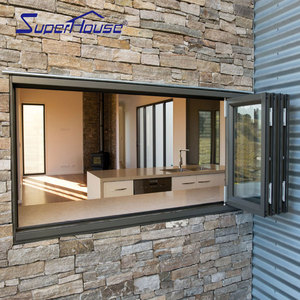 Acoustic Series
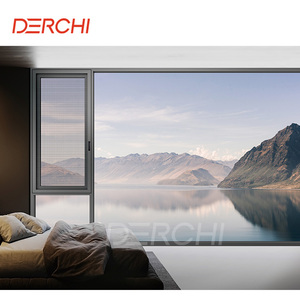 Impact Glazed
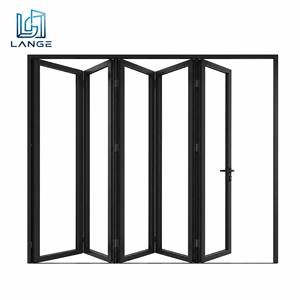 Panoramic Vista
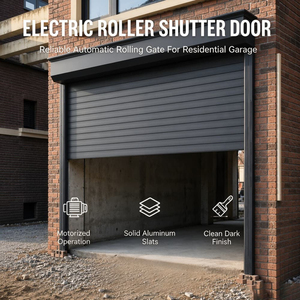 Automated Security
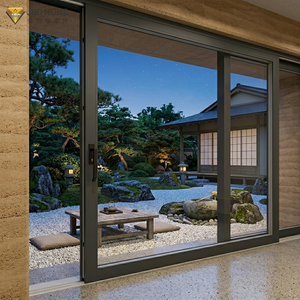 Cyclone Proof
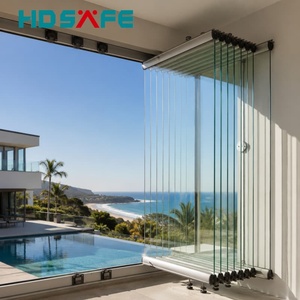 Minimal Sightline
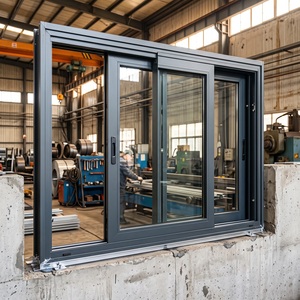 Low-E Thermal
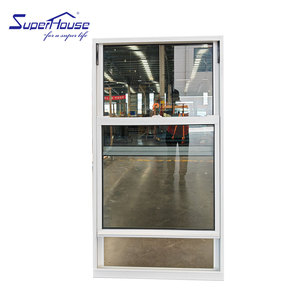
Navigating the Chinese Fenestration Industrial Cluster: A Technical Sourcing Guide
The global construction industry is shifting rapidly toward precision-engineered fenestration envelopes that combine aggressive carbon footprint reductions with uncompromising structural safety. As architects, general contractors, commercial developers, and high-volume facade fabricators evaluate window manufacturing partners in China, the key differentiator has shifted away from raw unit pricing toward strict engineering compliance, traceable metallurgical chemistry, and integrated supply chain management.
Foshan, Guangdong, serves as the premier global epicenter for architectural aluminum profile extrusion, surface treatment chemistry, and facade system engineering. With complete vertical integration—from primary bauxite smelting to high-tolerance CNC milling, automated anodizing, and multi-chamber thermal break insertion—top-tier Foshan manufacturers provide engineering tolerances and quality management protocols that parallel or exceed legacy European systems like Schüco, Reynaers, or Wicona at a scalable capital efficiency.
To mitigate compliance friction in North America, Australasia, Europe, and the Middle East, professional procurement officers must prioritize suppliers who conduct continuous batch testing for structural wind resistance, air infiltration, water penetration resistance, and acoustic dampening. Leading manufacturers operate in-house cyclic testing chambers capable of validating dynamic wind loads beyond 4500 Pa (equivalent to Category 5 cyclone thresholds) and water tightness ratings surpassing 600 Pa under driving rain simulation.
Multi-Chamber Thermal Casement Systems
Utilizes multi-point European groove (C-groove) hardware integration, dual and triple compression EPDM co-extruded gaskets, and 34mm multi-cavity polyamide insulating strips. Engineered specifically for passive house developments demanding overall system U-values down to 0.8 to 1.2 W/m²·K.
Heavy-Duty Lift & Slide Systems
Engineered with stainless steel quad-roller carriages supporting individual sash loads up to 400 kg. Features recessed thresholds for barrier-free universal accessibility while delivering superior wind resistance through stepped multi-level drainage chambers.
Hurricane Impact & Cyclone Fenestration
Reinforced with internal structural steel or high-tensile 6063-T6 corner keys and heavy-gauge mullions. Glazed with PVB or SentryGlas® (SGP) ionoplast laminated interlayers to withstand cyclic pressure pulses and projectile impact under ASTM E1886/E1996 and AS/NZS 1170 standards.
Standard Engineering Specifications for Export Fenestration
Comprehensive comparative matrix illustrating material composition, physical properties, and testing parameters verified by certified Chinese export manufacturers.
| Performance Parameter | Standard Commercial Grade | High-Performance Architectural Grade | Testing & Compliance Standards |
|---|---|---|---|
| Alloy Composition & Temper | Al-Mg-Si 6063-T5 (Tensile ≥ 160 MPa) | Primary Billet 6063-T6 / 6061-T6 (Tensile ≥ 205 MPa) | GB 5237.1 / ASTM B221 / EN 755 |
| Profile Wall Thickness | 1.4 mm – 1.6 mm (Residential) | 2.0 mm – 3.0 mm (Heavy Commercial / Façade) | AS 2047 / AAMA/WDMA 101 / BS EN 12020 |
| Thermal Barrier Technology | Standard Pour-and-Debridge Polyurethane | PA66 GF25 Polyamide Strips (Multi-Chambered) | ISO 10077-2 / ASTM C1363 / EN 14024 |
| Glazing Configuration | 5mm + 12A + 5mm Double Tempered | 6mm Low-E + 16Ar + 6mm + 1.52PVB + 6mm Laminated | AS/NZS 2208 / EN 12150 / ASTM C1048 |
| Surface Coating Performance | Architectural Powder Coating (≥ 60 μm) | Fluorocarbon PVDF (2/3-Coat, AAMA 2605) ≥ 40 μm | Qualicoat Class 2 / AAMA 2604 & 2605 / ISO 2810 |
| Air Permeability / Leakage | Level 3 (≤ 1.5 m³/(m·h)) | Level 8 (AAMA Rating ≤ 0.1 cfm/ft² @ 300 Pa) | ASTM E283 / EN 12207 / AS 2047 |
| Water Penetration Resistance | Static 300 Pa – 450 Pa | Cyclic 600 Pa – 1000 Pa (Hurricane/Marine Grade) | ASTM E331 / EN 12208 / AS 4420.5 |
| Structural Wind Load (Ultimate) | Serviceability 2000 Pa / Safety 3000 Pa | N6 / Ultimate ≥ 4500 Pa – 6000 Pa | ASTM E330 / AS 4420.2 / EN 12211 |
Future Procurement Trends in the Global Aluminum Window Sector
The cross-border fenestration procurement ecosystem is undergoing structural realignments catalyzed by carbon accountability, digital fabrication integration, and rigorous regional compliance mandates. Strategic buyers must account for three decisive market dynamics reshaping how aluminum windows and glazed systems are specified and sourced through 2030:
Low-Carbon & Recycled Aluminum (CBAM Alignment)
With the implementation of the European Union's Carbon Border Adjustment Mechanism (CBAM) and corporate Scope 3 emissions reporting worldwide, top Chinese window manufacturers are adopting green-hydro-powered smelting and post-consumer recycled billets. Certified Environmental Product Declarations (EPDs) with life-cycle Global Warming Potential (GWP) metrics are becoming standard requirements for tender approval.
Deep Digital Integration & BIM Level 3 Modeling
Modern procurement workflows eliminate manual site measuring errors through early-stage 3D laser point-cloud scanning and full-lifecycle Building Information Modeling (BIM). Tier-1 Chinese exporters provide Revit and IFC families containing exact kinematic constraints, glass optical data (SHGC, VLT), and thermal U-factor profiles directly into the architectural model before profile extrusion begins.
Turnkey Prefabrication & Unitized Curtain Wall Modules
Escalating on-site installation labor costs in North America, Australia, and Northern Europe are incentivizing developers to purchase factory-assembled, unitized window-wall systems. These assemblies arrive on-site pre-glazed, pre-sealed, and pre-flashed with integrated lifting lugs, reducing construction site schedules by up to 45% compared to stick-built field glazing.
Technological Breakthroughs in Aluminum Window Engineering
Fenestration systems are no longer static barrier elements; they have evolved into dynamic, interactive thermal envelopes. R&D investments from leading Foshan enterprises focus on five core technological developments:
-
1Ultra-Narrow Frameless & Concealed Sash Architectures: By utilizing structural silicone bonding between the glass unit and the extruded frame, sightlines are reduced to less than 28mm at intermediate mullions, maximizing daylight transmission while maintaining high section modulus against torsional deformation.
-
2Vacuum Insulated Glazing (VIG) Integration: Integrating 8.3mm tempered vacuum glass into slim-frame aluminum window assemblies achieves center-of-glass Ug values of 0.40 W/m²·K (comparable to solid insulated walls), eliminating the bulky weight and deep frame requirements of traditional triple glazing.
-
3Mechatronic Actuation & Smart Building Integration: Concealed motorized drive units embedded inside the sash profile enable automated smoke clearance, nocturnal natural purge cooling, and integration with KNX/BACnet building automation protocols without compromising peripheral air gaskets.
-
4Hyper-Durable Marine Fluorocarbon Surface Passivation: Advancements in 3-coat fluoropolymer (PVDF) electrostatic liquid spraying and Class 3 architectural powder finishes (AAMA 2605) provide over 4,000 hours of continuous salt-spray resistance, eliminating chalking, blistering, and electrochemical corrosion in exposed tropical beachfront villas.
Guangdong Dejiyoupin (DERCHI) Fenestration Capabilities
Ranked among the Top 10 door and window brands in China, Guangdong Dejiyoupin Doors and Windows Co., Ltd. (DERCHI) brings over 25 years of engineering mastery to the international architectural fenestration sector. Headquartered in Shishan Town, Nanhai District, Foshan—the heart of China's aluminum industrial cluster—our high-precision manufacturing hub is engineered for demanding commercial and residential export projects.
- 180,000㎡ Modern Production Base: Operating state-of-the-art multi-axis CNC milling, automatic corner-crimping lines, and dedicated assembly centers staffed by over 600 skilled technicians.
- Rigorous International Testing: Products are engineered, tested, and certified to AS 2047 N6 ratings, CE standards, ISO 9001 quality systems, and UL fire classifications.
- Full-Scope Engineering & CAD Services: Dedicated in-house structural engineers provide parametric CAD shop drawings, structural wind-load calculations, and glass deflection analysis free of charge before production.
- Proven International Track Record: From major landmark exhibits at Philippines WORLDBEX 2025 to high-end residential estates across the Middle East, Southeast Asia, Australia, and North America.
- Export Packaging & Pearl River Port Access: Multi-layer protective foam wrapping, edge protectors, and steel-reinforced fumigated timber crates with direct feeder vessel connections to Nansha, Shekou, and Yantian export ports.


Frequently Asked Questions: Aluminum Window Procurement & Export
Authoritative technical and logistical answers addressing the critical decision criteria faced by international developers, engineers, and supply chain managers.