Engineered Fenestration & Specialized Perimeter Systems
Explore our heavy-duty architectural systems certified to AS 2047, CE, and international typhoon-impact benchmarks, deployed across landmark Asian, Pacific, and Middle Eastern developments.
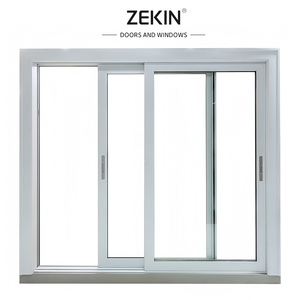
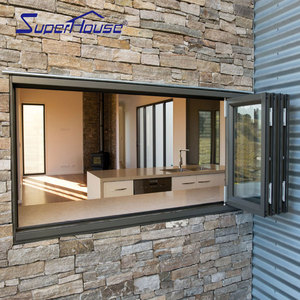
Engineering Architectural Aluminum Around Windows: The Complete Industrial Guide
A comprehensive technical examination of perimeter extrusion profiles, sub-frame reveals, thermal bridging prevention, and flashing integration for modern exterior building envelopes.
In modern architectural engineering, the phrase "aluminum around windows" defines the mission-critical boundary ecosystem that encapsulates, insulates, and anchors window fenestration units to the structural facade substrate. This envelope perimeter encompasses exterior aluminum shadow boxes, extruded perimeter flashings, sub-frame receptor channels, perimeter casing reveals, and thermal-break architectural trim extrusions. Far beyond being cosmetic casing trims, precision-extruded aluminum around window assemblies dictates the structural continuity, seismic deflection resistance, vapor permeability, and thermodynamic integrity of building envelopes.
As international commercial codes tighten regarding whole-building energy envelopes (including ASHRAE 90.1, the European EPBD Directive, and Australia's NCC Section J), the interface between standard wall construction and window framing has emerged as the prime vulnerability for interstitial moisture penetration and thermal flanking paths. DERCHI (Guangdong Dejiyoupin Doors and Windows Co., Ltd.) pioneers the OEM design, CNC fabrication, extrusion, and export of custom aluminum around window solutions engineered specifically to bridge the technical divide between raw architectural masonry, structural curtain walling, and high-performance fenestration frames.
Alloy Selection & Metallurgical Integrity
DERCHI manufactures window surround profiles using virgin 6063-T5, 6063-T6, and 6061-T6 prime architectural billet. These magnesium-silicon aluminum alloys offer superior extrusion precision, exceptional tensile yield strength (≥160 MPa), and optimized anodizing or powder-coating receptivity.
- High mechanical stability under severe cyclic wind loads.
- Precise wall thickness control from 1.8mm up to 3.5mm for commercial applications.
- Optimized chemical compositions maximizing grain refinement for zero surface micro-fracturing.
Continuous Thermal Separation Systems
Eliminating conductive energy transmission through window perimeter extrusions is paramount. DERCHI utilizes multi-chambered polyamide nylon (PA66 GF25) thermal insulation struts crimped securely within the aluminum surround extrusions.
- Eliminates condensation, sweating, and mold growth on interior wallboard junctions.
- Reduces overall window frame U-values below 1.6 W/m²·K (0.28 BTU/hr·ft²·°F).
- Maintains structural shear performance during intense indoor-to-outdoor temperature deltas.
Pressure-Equalized Moisture Drainage
Uncompromising moisture ingress prevention is engineered via integrated sill pans, weeping conduits, and precision-baffled drainage ports hidden within the extruded reveal surround sections.
- Multi-tier EPDM continuous perimeter micro-cellular rubber gaskets.
- Concealed drainage channels calibrated for tropical storm and cyclonic rain events.
- Tested water penetration resistance surpassing 700 Pa static pressure heads.
Fenestration Surround System Engineering Matrix
Cross-functional comparison of architectural aluminum perimeter profiles manufactured in our Foshan extrusion and CNC processing hub.
| Profile Specification | Structural Sub-Frame Channel | Architectural Fin Reveal / Shadowbox | Typhoon-Rated Receptor Frame | Thermal-Break Enclosure Trim |
|---|---|---|---|---|
| Target Application | Precast concrete & CMU masonry anchoring | Luxury villa facades & commercial curtain walls | High-rise coastal & island project perimeters | Passive House & LEED Gold institutional builds |
| Alloy & Temper | 6063-T6 / 6061-T6 High Tensile | 6063-T5 Architectural Anodizing Grade | 6063-T6 Structural Marine-Grade | 6063-T5 with PA66 GF25 Compound Core |
| Finishing Standards | Mill Finish or AkzoNobel Powder (60-80µm) | PVDF Kynar 500 (3-Coat ≥40µm) or Anodized Class I | Marine Fluorocarbon Spray / Qualicoat Class 2 | Architectural Dual-Color Powder Coating |
| Structural Wind Load | Up to 3,500 Pa Serviceability | Up to 4,500 Pa Ultimate Load | Tested to AS 2047 N6 (>5,000 Pa Wind Rating) | Up to 3,000 Pa Deflection Limit |
| Water Penetration | Passive barrier backing interface | Directs run-off away from sealant bead | Pressure-equalized weep channels (≥700 Pa) | Integrated perimeter drain channel |
| Sealing Architecture | Continuous interior/exterior silicone joint | Mechanical interlock with concealed fasteners | Dual EPDM co-extruded compression bulbs | Triple continuous vulcanized gasket barriers |
Future Procurement Trends in Global Fenestration Systems (2025–2035)
A strategic analysis of evolving supply chain mechanisms, industrialized prefabrication, and carbon-neutral building mandates reshaping international aluminum procurement.
Prefabricated Prefinished Volumetric Assemblies
Global general contractors are moving rapidly away from loose, site-assembled window casing trims. The procurement market is shifting decisively toward factory-preassembled sub-buck surrounds that arrive on-site with pre-notched corners, internal corner brackets, integrated vapor permeable tape flashings, and precision-stamped anchor slots. This shift drops jobsite fenestration installation labor by up to 65%, eliminates field caulking inconsistencies, and guarantees that air tightness parameters verified in factory testing are fully realized on-site.
Low-Carbon Aluminum & Circular Sourcing
European CBAM (Carbon Border Adjustment Mechanism) and global ESG compliance parameters now penalize high-carbon metal production. Tier-1 developers are demanding window perimeter aluminum extrusions made with certified low-carbon hydroelectric aluminum or high post-consumer recycled content (exceeding 75% recycled billet). Factories lacking ISO 14064 greenhouse gas validation and Environmental Product Declarations (EPDs) are being systematically phased out of tier-1 institutional specifications.
Digitally Integrated BIM-to-Fabrication Pipelines
The standard procurement timeline of issuing 2D PDFs for bidding is rapidly being superseded by direct parametric BIM collaboration. International engineering firms require custom aluminum extrusion suppliers to ingest Revit, IFC, and Tekla files directly into computerized manufacturing workflows. DERCHI’s in-house engineering cell converts complex 3D BIM models into multi-axis CNC milling coordinates, ensuring that architectural sub-frames, trims, and corner cleats match spatial tolerances down to ±0.2mm.
Material Science & Technological Innovation Trends
Breakthrough surface chemistries, automated CNC milling precision, and advanced compound thermal breaks governing the next generation of window framing envelopes.
The operational longevity of aluminum profiles installed around exterior windows is fundamentally tied to surface passivation and chemical barrier performance. When windows are exposed to marine salt fog, urban acid rain, or harsh ultraviolet radiation, standard decorative coatings degrade, leading to filiform corrosion beneath the organic film and eventual structural oxidation. Modern high-tier manufacturing incorporates C4 and C5-M marine-grade atmospheric surface preparation.
DERCHI’s manufacturing facility integrates complete chrome-free zirconium pre-treatment lines coupled with electrostatic horizontal and vertical powder coating plants utilizing AkzoNobel Interpon D2525 and D3020 hyper-durable fluoropolymer resins. Furthermore, our PVDF (Polyvinylidene Fluoride) 3-coat and 4-coat continuous extrusion spray systems provide absolute color retention (Delta E ≤ 5.0 after 10-year Florida exposure) and full compliance with AAMA 2605 specifications. This ensures that whether installed on typhoon-swept island villas in Southeast Asia, high-salinity coastal resorts in the Pacific, or sun-drenched towers across the Middle East, our custom aluminum window surrounding envelopes preserve their flawless structural and aesthetic qualities across a 30-year design lifecycle.
5-Axis CNC Precision Processing
Profile cutting, water weep-slot milling, lock-box cutouts, and corner screw-hole drilling are processed simultaneously on automated multi-meter CNC machining centers. This removes human error, maintains micron-level tolerances, and guarantees hairline-tight miter corner joints that reject driving wind and water.
Seamless Welded Corner Innovation
For premier architectural applications, DERCHI manufactures seamless welded and polished aluminum surround frames. Corner miters are robotic TIG or laser welded, followed by precision automated planar grinding and finish-coating, delivering a monolithic outer casing profile with zero water penetration points.
Acoustic Attenuation Assemblies
Urban high-density developments require envelope systems that isolate high-frequency acoustic waves. By integrating mass-loaded viscoelastic core dampers and custom silicone perimeter isolates directly into our extruded surrounds, sound transmission class (STC) ratings exceeding 42 dB are systematically achieved.
Guangdong Dejiyoupin Doors and Windows: Manufacturing Eminence
Ranked among China’s Top 10 fenestration enterprises, DERCHI operates an industrial manufacturing powerhouse in Foshan, delivering custom OEM window perimeter engineering worldwide.
180,000㎡ Mega-Scale Production Base
Our expansive industrial complex located in Shishan Town, Nanhai District, Foshan City, houses end-to-end manufacturing: from high-tonnage precision extrusion presses and smart powder-coating tunnels to advanced CNC machining centers, automated assembly units, and cleanroom glass integration facilities.
600+ Skilled Craftsmen & Engineers
Backed by over 25 years of specialized fenestration heritage, our technical workforce comprises licensed facade engineers, metallurgical specialists, and precision machinists. Our engineering division reviews every architectural opening, generating complimentary parametric CAD/BIM shop drawings prior to extrusion runs.
Rigorous International Certifications
Our complete architectural fenestration range carries independent verification including Australian AS 2047 (with cyclonic wind pressure rating AS 2047 N6), European CE compliance, ISO 9001 quality management certification, and UL fire-rated credentials to streamline overseas building inspections.
Dedicated GMT+8 Global Project Support
Operating from South China’s prime logistics gateway, our technical sales engineers work aligned with the Asia-Pacific, ASEAN, Australian, and Middle Eastern time zones. From exhibiting at world-class trade expos such as Philippines WORLDBEX to delivering rapid 24-hour drawing turnarounds, we minimize project procurement lead times.
Frequently Asked Questions: B2B Procurement & Engineering Specifications
Comprehensive technical guidance for commercial developers, facade consultants, project architects, and structural contractors importing custom aluminum surrounding systems.
What specific functions do aluminum surrounds serve around exterior windows?
Extruded aluminum surrounds around windows serve three vital building envelope functions:
1. Structural Transition & Deflection Compensation: Masonry, steel, and concrete substrates experience thermal movement, seismic drift, and settlement. An engineered aluminum perimeter sub-frame channels structural live loads while isolating the window glazing system from destructive compressive stresses.
2. Pressure-Equalized Water & Air Barrier: The perimeter interface between window frames and walls is responsible for over 80% of building water leaks. Engineered aluminum surrounds integrate capillary breaks, internal drainage trays, and EPDM pressure seals that divert driving rainwater safely away from structural walls.
3. Architectural Shadow Lines & Aesthetic Framing: Extrusions provide crisp architectural framing, projecting deep reveals, fins, or shadow-box accents that shield glass surfaces from solar heat gain while creating distinctive facade depth.
Which aluminum alloys and temper designations are recommended for perimeter extrusions?
For architectural perimeter surrounds, DERCHI predominantly utilizes 6063-T5, 6063-T6, and 6061-T6 aluminum alloys:
• Alloy 6063-T5 / T6: The benchmark architectural extrusion alloy. It offers an exceptionally smooth surface finish ideal for AAMA 2605 PVDF liquid fluorocarbon painting and Class I architectural anodizing. With an ultimate tensile strength of ≥205 MPa for T6, it accommodates intricate thin-walled snap-lock geometries and complex multi-chamber weeping channels.
• Alloy 6061-T6: Recommended when perimeter window surround extrusions double as structural load-bearing brackets, continuous curtain wall tie-backs, or anchor sub-bucks. Possesses superior mechanical yield strength (≥240 MPa) and heightened resistance to shear failure around heavy anchor bolting.
How does DERCHI's custom OEM design address thermal bridging around window perimeters?
Uninsulated aluminum casing extrusions create direct conductive paths that bypass high-performance triple or double-glazed window assemblies. DERCHI resolves this thermal flanking vulnerability by integrating polyamide nylon PA66 GF25 (25% glass-fiber reinforced) thermal barriers directly into our surround extrusions.
Our mechanical crimping line knurls the aluminum retention cavities before precision-rolling the polyamide struts. This forms a high-strength composite profile that stops thermal energy transfer, elevates internal condensation resistance factor (CRF) ratings above 70, and ensures the whole window assembly complies with strict Passive House and LEED thermal envelope requirements.
Can DERCHI manufacture custom-curved, arched, or oversized shadow-box surround profiles?
Yes. Our Foshan industrial base operates precision profile stretch-bending machinery and multi-axis CNC brake forming for thick architectural plate surrounds. We regularly engineer:
• Large-span radius curved window surrounds with zero ripple distortion along extrusion sightlines.
• Oversized deep projecting architectural shadow-box fins (depths from 100mm up to 600mm) reinforced with internal CNC gusset plates capable of resisting coastal hurricane gusts.
• Custom die creation: Our tooling center fabricates proprietary OEM extrusion dies within 12–18 calendar days based directly on client-approved CAD or Revit profile cross-sections.
What third-party testing and quality certifications validate your exterior door and window assemblies?
DERCHI products undergo strict physical testing verified through internationally recognized testing bodies. Key certifications include:
• AS 2047 & AS 4284 (Australia / New Zealand): Certified through official NATA-accredited laboratories, reaching the AS 2047 N6 cyclonic structural wind resistance classification (>5,000 Pa ultimate load) alongside maximum water penetration resistance.
• European CE Conformity (EN 14351-1): Full compliance with acoustic isolation, air permeability (Class 4), and water tightness benchmarks.
• ISO 9001, ISO 14001, and ISO 45001: Complete operational adherence to global quality management, environmental responsibility, and occupational health metrics.
• UL Fire-Rating Testing: Certified fire-rated assemblies engineered for fire-escape enclosures and high-density commercial facades.
How does the OEM order and engineering coordination process function for international projects?
Our overseas engineering workflow is structured into 5 streamlined phases to eliminate site-fit errors:
1. Architectural Review & Schedule Analysis: Client supplies architectural elevation drawings, opening schedules, local wind-load engineering codes, and thermal target values.
2. Free CAD Shop Drawings & 3D Modeling: Within 48 hours, DERCHI’s facade engineering department produces comprehensive shop drawings specifying profile cross-sections, expansion joint details, and anchoring points for client sign-off.
3. Tooling & Prototype Validation: Custom extrusion dies are cut and sample swatches or 1:1 scale corner prototypes are dispatched via DHL/FedEx for physical client sign-off.
4. Scheduled Precision Manufacturing: Extrusion, CNC milling, surface finishing, thermal-break assembly, and QA verification occur under rigorous batch-inspection protocols.
5. Export Packing & Site Guide: Systems are packed in custom IPPC-certified solid timber crates with multi-layer PE protection film and silica gel desiccant packs, accompanied by labeled installation schematics.
Transform Your Architectural Fenestration With DERCHI
Direct factory engineering consultation, rapid CAD shop drawings, and competitive OEM volume pricing for architects, builders, and developers worldwide.
Send an Inquiry