Featured Architectural & Roller Systems Portfolio
Explore our precision-crafted architectural openings, specialty tambour-profile louvers, high-security insulated rolling barriers, and structural building envelope assemblies engineered to rigorous international specifications.
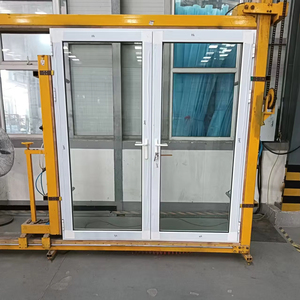
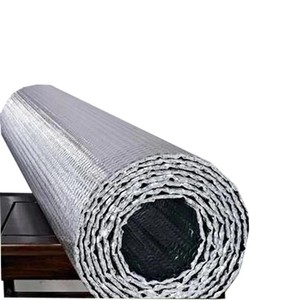
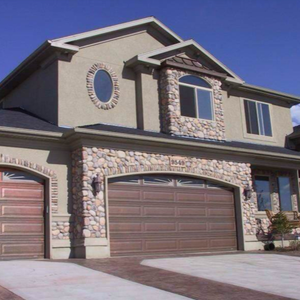
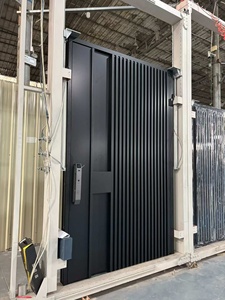
Extrusion Precision & 6063-T5 Structural Integrity
Manufactured using virgin architectural-grade 6063-T5/T6 billet extrusions. Engineered slat interlocks deliver ultra-compact coiling diameters while retaining deflection resistance under heavy aerodynamic loads.
AS 2047 Cyclone & Wind Pressure Resistance
Built and laboratory-tested to withstand hurricane-level kinetic conditions, holding AS 2047 N6 ratings. Integrated wind-lock anchor clips prevent curtain pull-out across massive commercial clear-spans.
Acoustic Dampening & Thermal Barrier Core
Dual-wall hollow extrusions injected with high-density CFC-free polyurethane cores or integrated high-lubricity polyoxymethylene (POM) guide clips reduce continuous cycling decibels below 48 dB.
Architectural Engineering Insights: The Modern Industrial Evolution of Aluminium Tambour Systems
In high-density commercial real estate, logistics hubs, premium residential garages, and modern interior architecture, aluminium tambour doors—frequently specified as architectural roller shutters or articulated coiled closures—have evolved from utilitarian barriers into high-performance kinetic facades. Unlike conventional roll-up steel doors, modern aluminium tambour systems operate via precision micro-hinged slats extruded from architectural-grade 6063-T5 aluminum. This delivers exceptional strength-to-weight ratios, flawless anodized or electrostatic fluorocarbon (PVDF) surface integrity, and compact head-box clearance tolerances indispensable for tight ceiling envelopes.
As international energy conservation mandates and coastal climate extremes reshape building codes across Asia, Australia, and the Middle East, structural specifiers can no longer treat roller barriers as passive elements. Today's commercial developments demand certified wind-load deflection resistance, thermal isolation breaks, micro-ventilation integration, and seamless building management system (BMS) connectivity. Selecting an established manufacturing partner backed by comprehensive foundry, extrusion, and CNC processing guarantees long-term cycle reliability and structural compliance.
Comparative Specification Matrix: Architectural Tambour & Roller Systems
| Profile Architecture | Primary Alloy & Core Spec | Acoustic & Thermal Metric | Wind Resistance / Durability | Recommended Applications |
|---|---|---|---|---|
| Double-Wall Thermal Slat | 6063-T5 + High-Density PU Foam | U-value ≤ 1.8 W/(m²·K), 28 dB | Class 4 (EN 12424) / AS 2047 N5 | Climate-Controlled Garages, Cold Chain |
| Micro-Perforated Air-Flow | 6063-T6 Extruded Aluminium | Natural Air Permeability 38% | High Deflection Resilience | Underground Parking, Vented Utility Bays |
| High-Hardness Security Slat | 6061/6063 Hard-Anodized Alloy | Anti-Intrusion EN 1627 RC3 | Heavy Wind-Lock Anchor Retention | Commercial Storefronts, Villa Entries |
| Polycarbonate-Inlaid Vista | Alloy Frame + UV Polycarbonate | 86% Optical Light Transmission | Impact Resistant UL 972 Compliant | Luxury Automotive Showrooms, Retail Malls |
Key Strategic Procurement Trends for Global B2B Buyers
1. Integration of Architectural Thin-Bezel Headboxes: Specifiers are eliminating bulky roll boxes. Forward-thinking manufacturers now produce sub-assembly helical spring barrels and planetary tubular motor assemblies that conceal 3500mm high curtains within 250mm ultra-compact enclosures, preserving clean architectural sightlines.
2. Climate-Specific Surface Engineering: For coastal applications subject to marine salinity and tropical typhoons, standard industrial powder coats degrade prematurely. The global standard has shifted decisively toward 25-micron class qualicoat-certified architectural powders and AAMA 2605-compliant fluorocarbon coatings capable of surpassing 3,000 hours of continuous neutral salt spray (NSS) testing.
3. Smart IoT Protocol Compatibility: B2B commercial purchasers increasingly demand direct Modbus, dry-contact relay, and Zigbee/Matter network interfaces, allowing centralized BMS monitoring of door status, fire-alarm fail-safe triggers, and cycle counts for preventative maintenance scheduling.
Future Technological Horizons: What to Expect Through 2030
The industry is rapidly adopting robotic friction-stir welding (FSW) for structural intermediate mullions, alongside ultra-light nano-composite co-extrusion barriers that further decrease coiling friction. Energy-harvesting photovoltaic surface treatments and closed-loop recycled low-carbon aluminum billets (generating under 4.0 kg CO2 per kg of aluminium) are already being drafted into sustainable green building tenders worldwide.
Why DERCHI Is the Authoritative Manufacturing Partner
Operating from our 180,000㎡ industrial park in Foshan, Guangdong, Guangdong Dejiyoupin Doors and Windows Co., Ltd. (DERCHI) combines end-to-end extrusion, CNC machining, automated powder coating, and rigorous quality inspection under a single roof.
180,000㎡ Mega Facility
Our expansive industrial campus delivers reliable capacity, maintaining on-time production across major multi-unit hospitality, commercial, and luxury residential projects.
Certified Compliance
Products are tested and certified to ISO 9001, CE, Australian AS 2047, and UL fire standards, eliminating regulatory hurdles for international developers.
Free CAD/BIM Shop Drawings
Our engineering team prepares precise shop drawings, wind-load calculations, and structural detailing tailored to your rough opening schedules prior to fabrication.
Real-Time GMT+8 Support
English-speaking sales engineers work in your business time zone, delivering prompt technical proposals, fast export dispatch, and dedicated installation guidance.
Frequently Asked Questions for B2B Importers & Contractors
Accelerate Your Project With Direct Factory Engineering Support
Send your door schedules, architectural elevations, and dimensional requirements to our technical engineering team. We deliver accurate CAD shop drawings, wind-load ratings, and competitive direct factory pricing within 24 business hours.