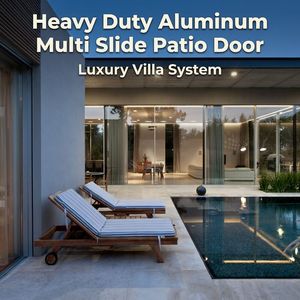
 Ultra Slim Line
Product Collections
High-Performance Architectural Fenestration Systems
Engineered to seamlessly integrate custom aluminium jali fretwork, structural security grilles, and high-performance insulated glazing for the sophisticated high-density urban environment of Tokyo.
Ultra Slim Line
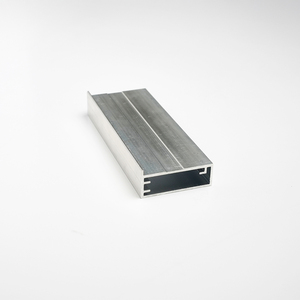 Screen & Frame
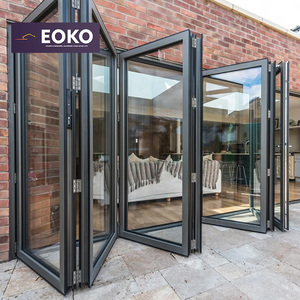 Low-E Thermal
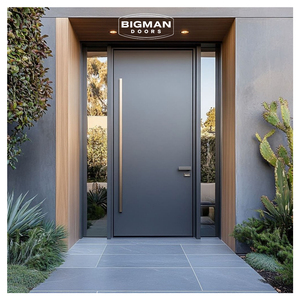 Security Pivot
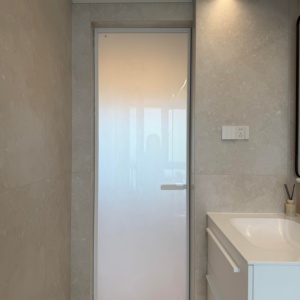 Acoustic Slim
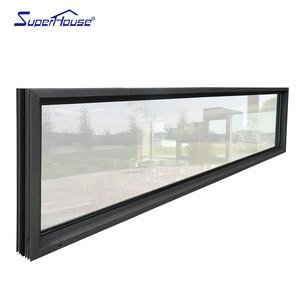 Typhoon Grade
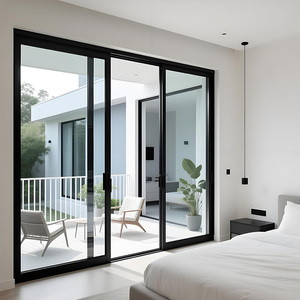 Soundproof Sliding
 Automated System
Industry Whitepaper & Technical Scope
Engineering Custom Aluminium Jali for Tokyo's Advanced Architectural Fenestration Sector
In contemporary Japanese architecture and metropolitan redevelopment projects across the Greater Tokyo Area—from the ultra-modern residential enclaves of Minato-ku and Shibuya to the waterfront high-rises along Tokyo Bay—the door envelope is subjected to rigorous performance criteria. Beyond structural enclosure, door assemblies must negotiate dense urban privacy, acoustic attenuation, high seismic drift allowances, and extreme seasonal weather fluctuations ranging from heavy typhoon downpours to humid summer heat waves. Custom OEM aluminium jali (architectural fretwork, perforated screens, and decorative geometric lattice grilles) has emerged as the definitive engineering solution for forward-thinking door manufacturers, contractors, and Japanese trading exporters.
Derived historically from ornamental stone and timber lattices, modern architectural jali executed in precision-extruded and CNC-milled aluminum alloy (principally 6063-T5/T6 and 6061-T6) reimagines centuries of functional shading and spatial partitioning through the lens of modern aerospace metallurgy. For door manufacturers supplying the Tokyo building sector, integrating an engineered aluminium jali panel transforms an ordinary security door or veranda patio portal into an intricate bioclimatic barrier. It delivers calibrated ambient airflow, daylight filtration, and physical intruder deterrence without compromising the minimalist aesthetic mandates codified by modern Japanese architectural practice.
Strategic Information Gain for Tokyo Fenestration Specifiers: Unlike conventional cast iron or welded carbon steel grilles that inevitably corrode under Tokyo's salty marine-adjacent air, architectural aluminium jali panels manufactured with Class 1 fluorocarbon PVDF (polyvinylidene fluoride) or hard-anodized finishes provide zero-maintenance corrosion resistance. Furthermore, when engineered with DERCHI's proprietary vibration-dampening EPDM isolation gaskets, these lightweight lattice inserts seamlessly absorb inter-story seismic drift without structural fracture or acoustic chatter during seismic tremors.
As a Tier-1 Chinese manufacturing exporter operating a 180,000-square-meter state-of-the-art facility in Foshan, Guangdong, Guangdong Dejiyoupin Doors and Windows Co., Ltd. (DERCHI) serves as the OEM manufacturing backbone for leading fenestration brands across Asia. We provide Tokyo door manufacturers, architectural millwork suppliers, and construction exporters with direct access to turnkey custom OEM aluminium jali fabrication. Our operations span five-axis laser cutting, high-speed automated CNC turret punching, multi-cavity precision extrusion, robotic TIG/MIG welding, and automated surface treatment lines delivering bespoke decorative grillwork manufactured strictly to international and Japanese Industrial Standards (JIS).
Technical Architecture
Key Engineering Pillars of OEM Aluminium Jali for Tokyo
How our custom-manufactured aluminium lattice inserts solve structural, aesthetic, and environmental challenges for door exporters serving the Kanto region.
Alloy Purity & Structural Integrity
We utilize prime architectural virgin ingot 6063-T5/T6 and 6061-T6 aluminum alloys. Precision extrusion profiles ensure high tensile strength (≥160 MPa) and yield strength (≥110 MPa), resisting flex under typhoon-induced positive and negative wind pressures while keeping overall door leaf weight manageable for European and Japanese concealed pivot systems.
Micron-Tolerance CNC & Laser Profiling
Utilizing high-power fiber laser cutting centers and multi-axis CNC routers, our jali screens achieve edge tolerances within ±0.05 mm. Whether your door collection demands traditional Japanese Kumiko-inspired geometric motifs (Asanoha, Shippo) or modern asymmetrical parametric perforations, our kerf control guarantees burr-free chamfered contours ready for flawless finishing.
AAMA 2605 & JIS H 8602 Surface Coatings
Tokyo's ambient atmosphere fluctuates between high humidity, intense solar UV exposure, and seaside sodium aerosols. We apply architectural three-coat fluorocarbon PVDF systems (Kynar 500 equivalent) and architectural anodizing with film thicknesses up to 25μm, achieving 4,000+ hours of neutral salt spray (ASTM B117) resistance without blistering, chalking, or fading.

Urban Context
Localized Application Scenarios Across Tokyo's Built Environment
The architectural fabric of Tokyo presents distinct zoning, cultural, and environmental constraints. Our OEM aluminium jali door components are customized to address these specific regional typologies:
- Luxury Low-Rise Villas (Denenchofu & Hiroo): Grand pivot entry doors featuring integrated laser-cut cast and plate jali screens that preserve sightline privacy while allowing continuous natural ventilation during sultry summer evenings.
- Boutique Commercial Entrances (Ginza & Omotesando): Motorized and automated sliding door frames fitted with custom geometric fretwork anodized in champagne, bronze, or satin black to elevate retail storefront branding.
- Tokyo Bay Waterfront Condominiums: High-wind multi-slide veranda doors featuring dual-pane insulated glass layered with exterior-grade aluminium jali panels providing storm impact mitigation and sun-shading.
- Modernized Machiya Townhouses & Ryokan Retrofits: Traditional timber-grain sublimated aluminium lattices that recreate classic wooden Koshi grilles with zero fire hazard and superior structural durability.
Market Dynamics
Key Fenestration Trends Shaping Door Manufacturing for Tokyo
Anticipating shifts in Japanese construction codes, building envelope requirements, and modern consumer preferences.
01
Zero Energy House (ZEH) Shading Mandates
With Japan's aggressive national ZEH decarbonization targets, exterior architectural shading is transitioning from an afterthought to a core requirement. Door-integrated aluminium jali screens block direct solar radiant heat gain by up to 68% while allowing visible daylight transmittance, significantly dropping residential HVAC cooling loads during Tokyo's intense heat islands.
02
Seismic Inter-Story Drift Accommodation
Tokyo's strict seismic structural codes require non-structural exterior elements to tolerate horizontal story drift angles of 1/150 to 1/200 without dislodging. DERCHI's OEM jali framing employs floating corner mechanical cleating and elastomeric setting channels, ensuring screens accommodate building racking movements safely during minor and major seismic tremors.
03
Multi-Layered Biophilic & Kumiko Geometry
Modern Japanese architects are steering away from generic flat surfaces toward biophilic, textured facades that generate dynamic light and shadow (Komorebi). High-precision laser-cut jali panels allow door manufacturers to deliver bespoke geometric patterns that celebrate Japanese spatial heritage while using industrial, non-combustible building materials.
04
Prefabricated Modular Fenestration Cassettes
Given the acute skilled labor shortages on Japanese construction jobsites, Tokyo door contractors strongly prefer factory-assembled 'plug-and-play' jali cassette units. DERCHI delivers pre-glazed or sub-framed jali assemblies with pre-machined mounting brackets, drastically reducing site installation hours and eliminating on-site cutting or welding.
Material & Processing Matrix
Technical Specification Comparison for Door OEMs
Selecting the optimal alloy composition, thickness, and finish parameters for Tokyo architectural door export contracts.
| Evaluation Parameter | Architectural 6063-T5/T6 Extruded Jali | Precision 5052-H32 / 6061 Laser-Cut Sheet Jali | High-Precision Cast Aluminum 3D Relief Jali |
|---|---|---|---|
| Primary Application | Linear grilles, louvers, modular frame inserts | Intricate fretwork, Kumiko patterns, perforated art | Heavy luxury villa main gates, security pivots |
| Standard Thickness Range | 1.8 mm – 3.5 mm profile wall thickness | 3.0 mm – 8.0 mm solid plate stock | 8.0 mm – 18.0 mm cast structural section |
| Tensile Strength (JIS H 4100) | ≥ 160 – 205 MPa | ≥ 215 – 290 MPa | ≥ 180 – 240 MPa |
| Corrosion Resistance Rating | AAMA 2605 PVDF / JIS Anodized Class 1 (25μm) | AAMA 2605 Fluorocarbon Spray / Electrophoresis | Multi-layer baked fluorocarbon primer & topcoat |
| Seismic Shock Absorption | Superior (modular elastomeric clip system) | High (engineered slotted perimeter anchors) | High mass; requires reinforced pivot hinges |
| Fabrication Tolerance | ±0.10 mm per linear meter | ±0.05 mm (fiber laser cutting) | ±0.30 mm (precision sand/die casting) |
Foshan Production Powerhouse
World-Class OEM Capabilities Backed by Guangdong Dejiyoupin
Direct manufacturing partnership from our 180,000㎡ industrial base in Shishan Town, Foshan, delivering unrivaled scalability, engineering rigor, and seamless shipping to the Port of Tokyo and Port of Yokohama.
CE Certified
ISO 9001:2015
Australian AS 2047 N6 Wind Load
UL Fire-Rated Compliance
100+ Design & Utility Patents
GMT+8 Engineering Desk
In-House Tooling & Free CAD/BIM
Our dedicated R&D engineering department produces complimentary full-scale CAD shop drawings, 3D structural mockups, and BIM models matching your precise door schedule, lock mortises, and thermal break profiles before metal cutting begins.
Full Fenestration Portfolio
Consolidate your supply chain. In addition to custom aluminium jali panels and security screens, source heavy-duty pivot doors, ultra-slim sliding patio doors, hurricane-resistant windows, and automatic garage systems under one rigorous ISO-certified roof.
Robust Export Crating for Japan
To guarantee zero transit damage during sea freight to Tokyo Bay terminals, every jali panel and door assembly is encased in peelable protective film, corner-guarded with EPE foam, and packed inside fully enclosed fumigated plywood crates with moisture desiccant packs.

Procurement Clarity
Frequently Asked Questions by Tokyo Door Manufacturers & Exporters
Comprehensive engineering, regulatory, and logistics answers for Japanese trading houses, architects, and fenestration plant directors.
Q1: Can DERCHI jali panels be integrated into thermal break door frames without causing thermal bridge leakage?
Yes. Our engineering department designs dedicated non-conductive mounting clips and polyamide (PA66 GF25) thermal isolation brackets. The aluminium jali screen can be configured as an exterior secondary rainscreen or outboard shading cassette, completely decoupled from the interior thermal break barrier to maintain whole-door U-values down to 1.4 W/m²·K.
Q2: How do your custom aluminium jali screens comply with the Building Standards Act of Japan regarding non-combustible materials?
Aluminum alloys 6063 and 6061 are intrinsically non-combustible metal materials classified under Ministry of Construction Notification No. 1400. Combined with certified inorganic fluorocarbon PVDF or anodized surface finishes, our jali screens fully comply with Japanese non-combustible interior and exterior material criteria for high-density fire prevention zones (防火地域).
Q3: Can you produce customized Kumiko geometric patterns directly from our CAD or Illustrator vector files?
Absolutely. Our pre-press engineering division ingests DWG, DXF, STP, and vector AI files directly into our automated CNC nesting software. We evaluate structural web thickness, beam deflection under wind load, and laser head acceleration dynamics to preserve traditional Kumiko proportions while guaranteeing rigid structural stability.
Q4: How does DERCHI ensure resistance against typhoon wind loads and salt-air corrosion in Tokyo Bay waterfront installations?
Our doors have passed rigorous testing for Australian AS 2047 N6 cyclonic wind pressure ratings (covering positive/negative design pressures up to 4500 Pa). For Tokyo Bay projects, we specify 3-coat Kynar 500 fluorocarbon systems or Class 1 anodizing (minimum 20-25 micron depth), successfully passing 4,000-hour neutral salt spray (NSS) environmental chamber verification.
Q5: What are your standard lead times and Minimum Order Quantities (MOQ) for custom OEM orders bound for Japan?
Because we operate fully automated extrusion, CNC laser, and surface treatment lines in Foshan, we accommodate project-based bespoke runs as well as continuous containerized production. Standard prototype shop drawings are released within 48 hours; sample prototypes dispatch in 10-15 days, and full container shipments typically dispatch in 25-35 days from final drawing sign-off.
Q6: How do your engineering teams coordinate project time zones and technical support with Tokyo offices?
Guangdong is situated in the GMT+8 time zone, exactly one hour behind Tokyo (JST GMT+9). Our bilingual engineering and project management desks operate synchronously with Japanese business hours, enabling rapid same-day revisions of shop drawings, immediate real-time video factory audits, and uninterrupted delivery status tracking.
Initiate OEM Collaboration
Accelerate Your Fenestration Project for the Tokyo Market
Submit your door schedules, CAD architectural profiles, or custom jali vector drawings. Our engineering division will supply comprehensive structural analyses, complimentary CAD shop drawings, and competitive direct-from-factory FOB/CIF quotations within 24 business hours.
Send an Inquiry
Direct Technical Desk: [email protected]